Sustainability-Linked Finance After the Hype
Sustainability-Linked Finance After the Hype
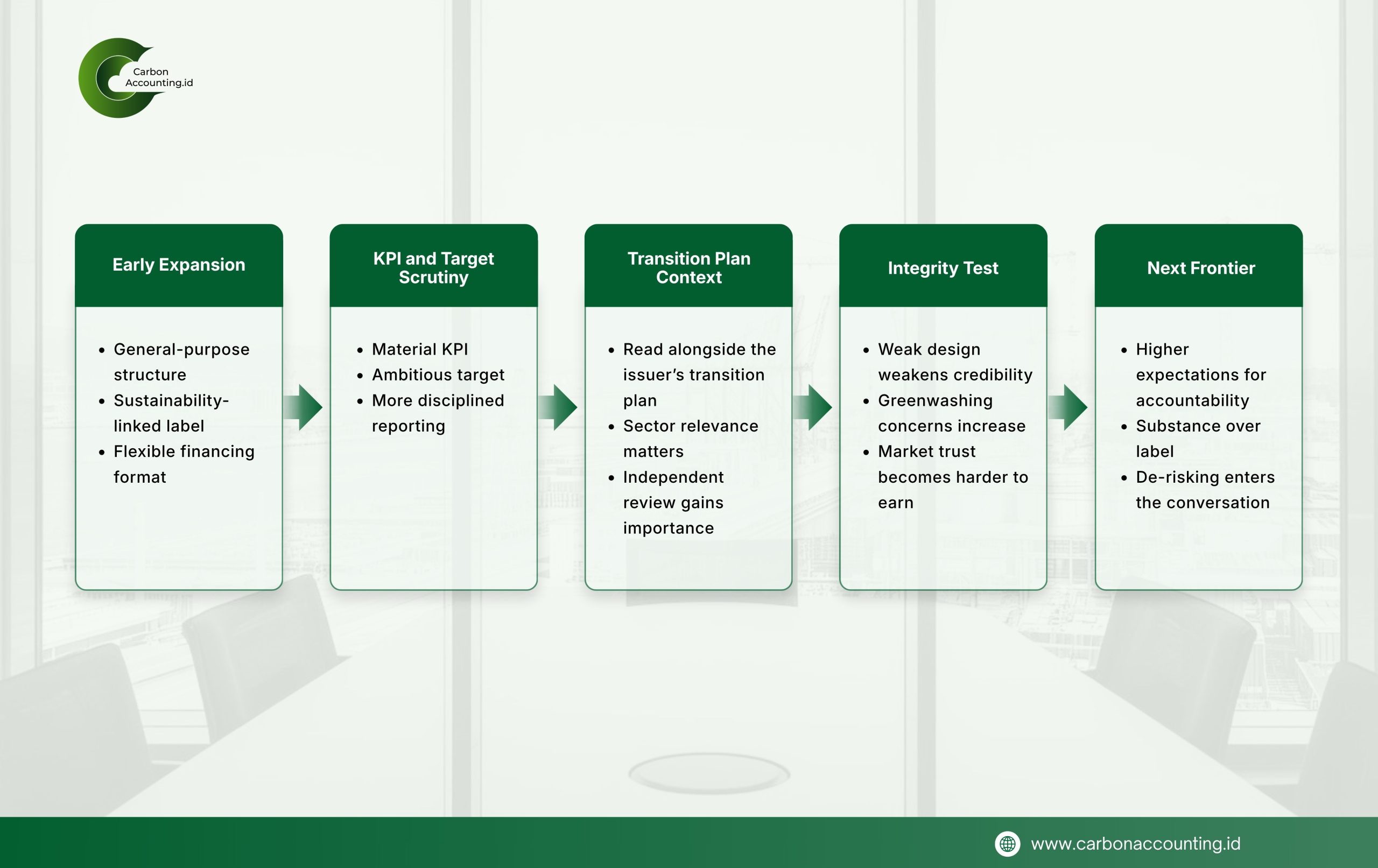
From Label Enthusiasm to Market Integrity: The Evolution of Sustainability-Linked Finance
The first wave of sustainability-linked finance was a seductive whisper. The second is a loud demand for truth. Capital is shedding labels. In the silence after the hype, substance is the only thing left standing.
That is the harder question now. When does the label still deserve trust? Unlike green bonds, sustainability-linked loans and sustainability-linked bonds do not gain legitimacy from dedicated green spending. They rise or fall on the quality of the KPI, the seriousness of the target, and the discipline of the reporting.
This is why KPI selection is not a technical detail buried in the back of the deal. It is the core of the instrument. A strong KPI speaks to the issuer’s real business model and its most material sustainability pressure. A weak one can make a transaction look responsible while leaving the heart of the business largely unchanged.
The contrast is often obvious. In steel, emissions intensity may be central. In banking, financed emissions or portfolio alignment usually says more than office electricity ever could. The test is simple. Does the KPI reveal whether the company is changing where it matters most?
Targets matter just as much. A credible target should go beyond business as usual, follow a clear timeline, and make sense against peers, science, or accepted external benchmarks. Easy targets may still produce a sustainability-linked instrument, but they rarely produce trust.
Margin ratchets also need to be read carefully. A small pricing step up or down may sharpen attention inside the company, but it should not be confused with proof of transformation. If the financial consequence is light and the operational challenge is shallow, the ratchet may be more theatrical than meaningful. The real question is not whether the coupon moves, but whether the company moves.
Recent transition finance guidance has made this scrutiny even sharper. A sustainability-linked instrument is no longer judged on its own. Investors increasingly read it alongside the issuer’s transition plan, sector context, implementation transparency, and the strength of external review. In high-emitting sectors especially, a polished instrument can no longer hide a weak transition story for long.
The euphoria has faded, but the mission remains. The market is not walking away. It is simply raising the floor. A label is just ink on a page until it is anchored in material truth and the weight of real accountability.