IFRS S3: When Nature Enters the Language of Finance
IFRS S3: When Nature Enters the Language of Finance

The integration of the TNFD framework into ISSB standards will link climate and nature reporting in a single disclosure system.
Corporate reporting is entering a wider reality. It is no longer enough to talk about energy and emissions when water scarcity, land pressure, and biodiversity loss can reshape markets and interrupt operations.
Sustainability reporting is following that logic. After IFRS S1 and IFRS S2, the International Sustainability Standards Board (ISSB) is now expanding its focus to include nature and biodiversity.
In January 2026, the ISSB decided to proceed with a disclosure project on nature related risks and opportunities. The scope is not limited to one topic, but covers what is material to an entity’s prospects, and it is intended to complement IFRS S1 and IFRS S2 rather than stand alone.
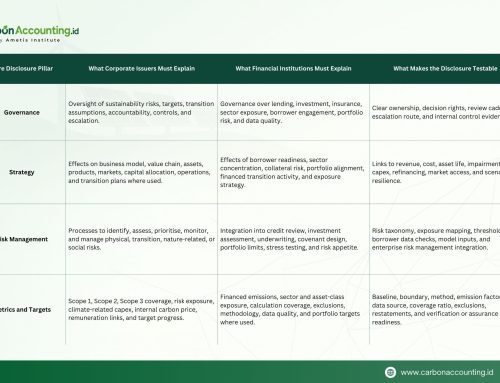
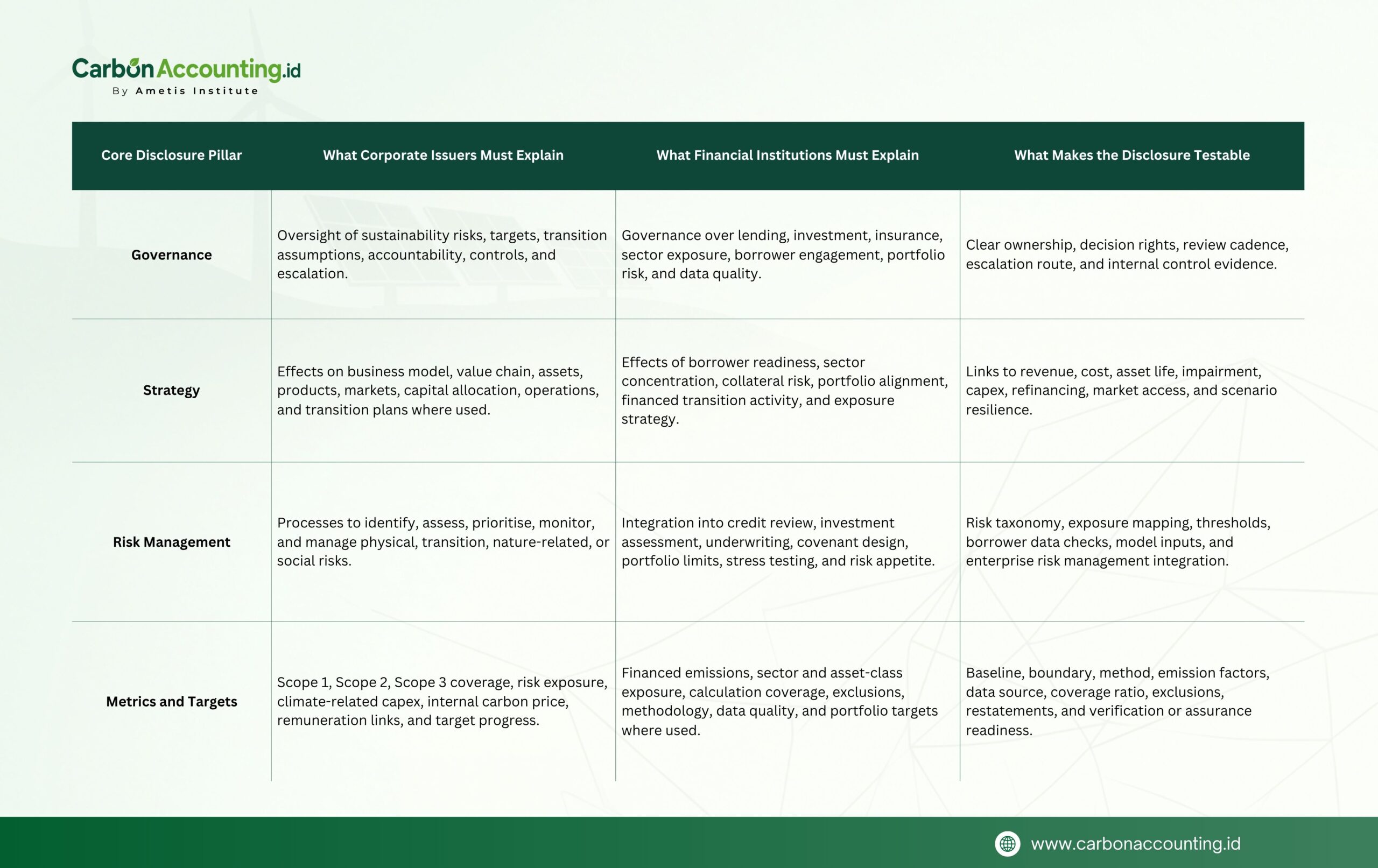
The ISSB is not starting from scratch. It plans to draw on the Taskforce on Nature related Financial Disclosures (TNFD), including its recommendations, metrics, the LEAP approach, and technical guidance. Because TNFD was built to fit the familiar four pillar structure used in climate disclosure, the bridge to integrated reporting is getting shorter.
Some market commentary has already used the label IFRS S3 for this next step, but the ISSB has not confirmed a name or final form. What is clear is that the baseline remains financial materiality. The point is not to list every environmental issue, but to surface nature related dependencies, risks, and opportunities that could affect cash flows, access to finance, or the cost of capital.
For business leaders, the signal is clear. Dependence on water, land, supply chains, biodiversity, and ecosystem resilience can no longer sit only in voluntary narratives, it is moving toward general-purpose financial reporting that investors and lenders rely on.
TNFD has chosen to concentrate its support on the ISSB’s work, and the ISSB is targeting an exposure draft ahead of COP17 of the Convention on Biological Diversity in October 2026.
Nature will no longer be an afterthought, but a core part of assessing a company’s future. Those who are prepared will not be the loudest, but the ones who move fastest to organize data and act on it.