The Climate Cost of the AI Race
The Climate Cost of the AI Race

A hidden cost shadows the race for AI, buried deep within the data center. As digital systems scale, the emissions powering them become impossible to ignore.
The boom in generative AI is one reason data centers are expanding so quickly. Large language models depend on thousands of GPUs running day and night, and that kind of computing load uses far more electricity than ordinary server activity.
Global data center capacity was 66.9 GW in 2021. By 2025, it had grown to around 114.3 GW. Several outlooks now point to 200 GW by 2030. Indonesia is moving along the same curve.
The problem is not expansion by itself. It is expansion powered by dirty electricity. When data centers grow in systems that still lean on fossil fuels, emissions tend to rise with them. That is why data centers are no longer only a technology story. They are also part of the climate story.
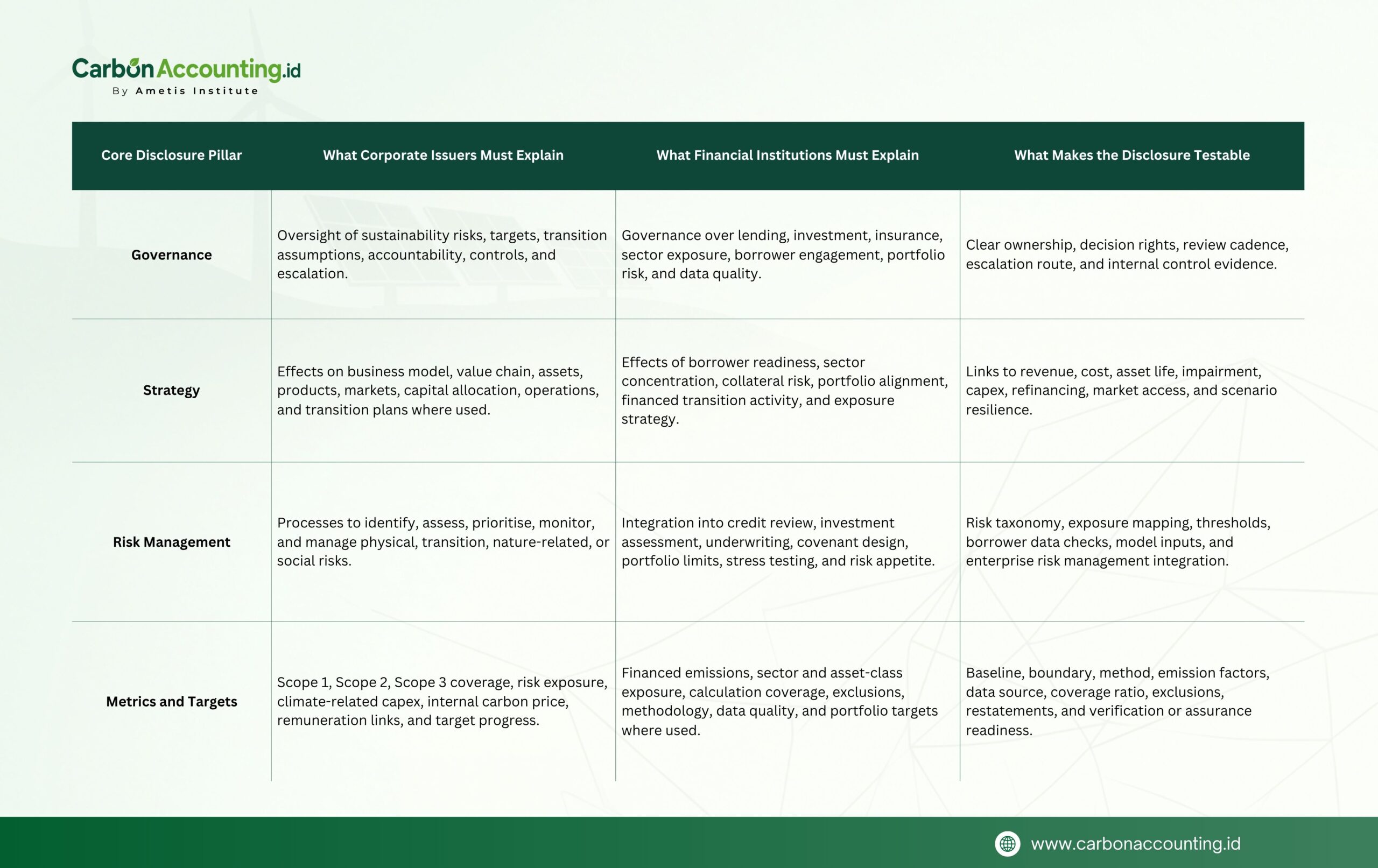
Companies are being asked to look more closely at the emissions tied to their digital infrastructure, not only from the data centers they run themselves, but also from the services they buy from others. That shift is changing expectations for providers. Measuring their own emissions is no longer enough. Customers now want clearer information about the footprint that comes with the service.
ISO offers three practical anchors. ISO 14064-1 supports organization level GHG inventories. ISO/IEC 30134-8 helps providers track carbon usage effectiveness as an operational KPI. ISO 14067 helps quantify the carbon footprint of a service so customers can use supplier-specific data in their own reporting.
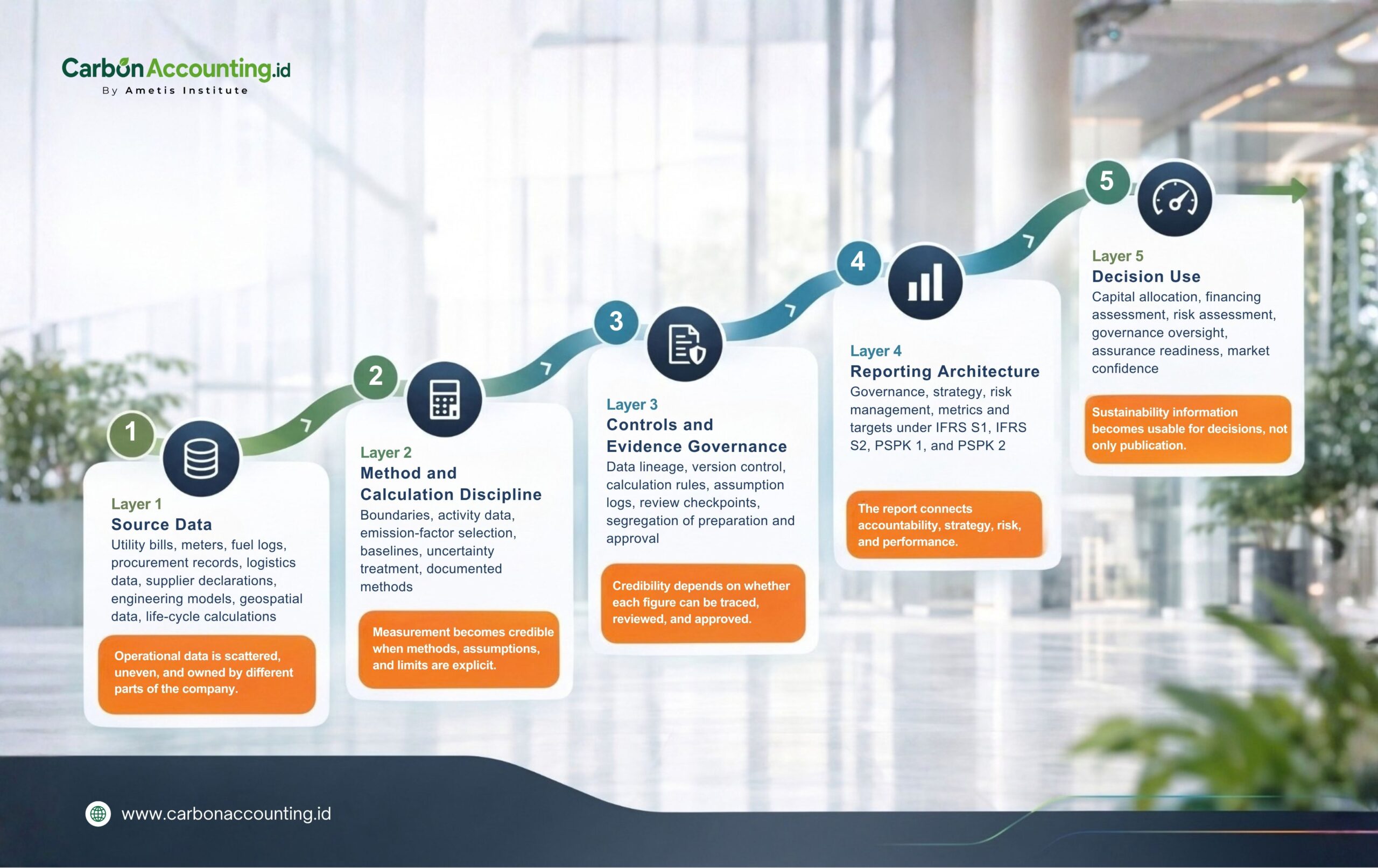
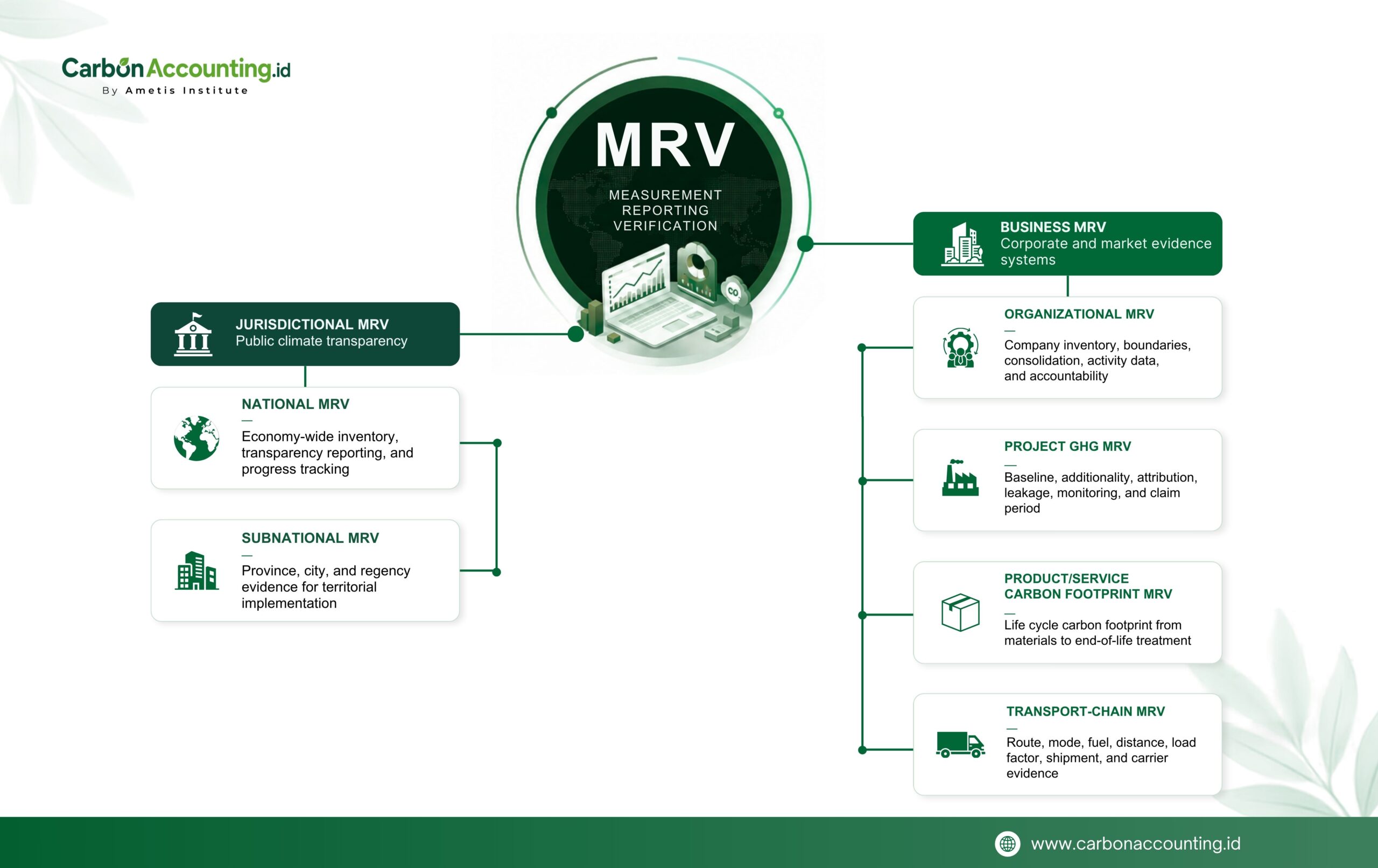
From CarbonAccounting.id’s work across industries, one lesson stands out: these three standards work best when they are applied as one integrated system. Treated separately, they tend to create duplication, raise resource demands, and open the door to inconsistencies that can complicate verification and audit.
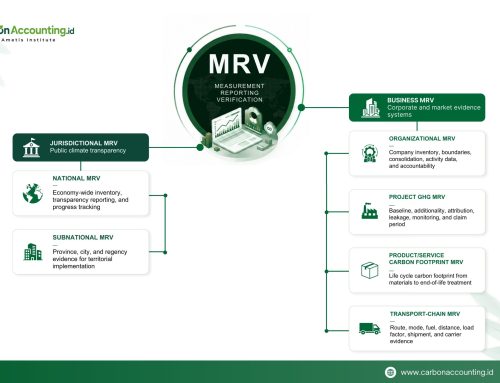
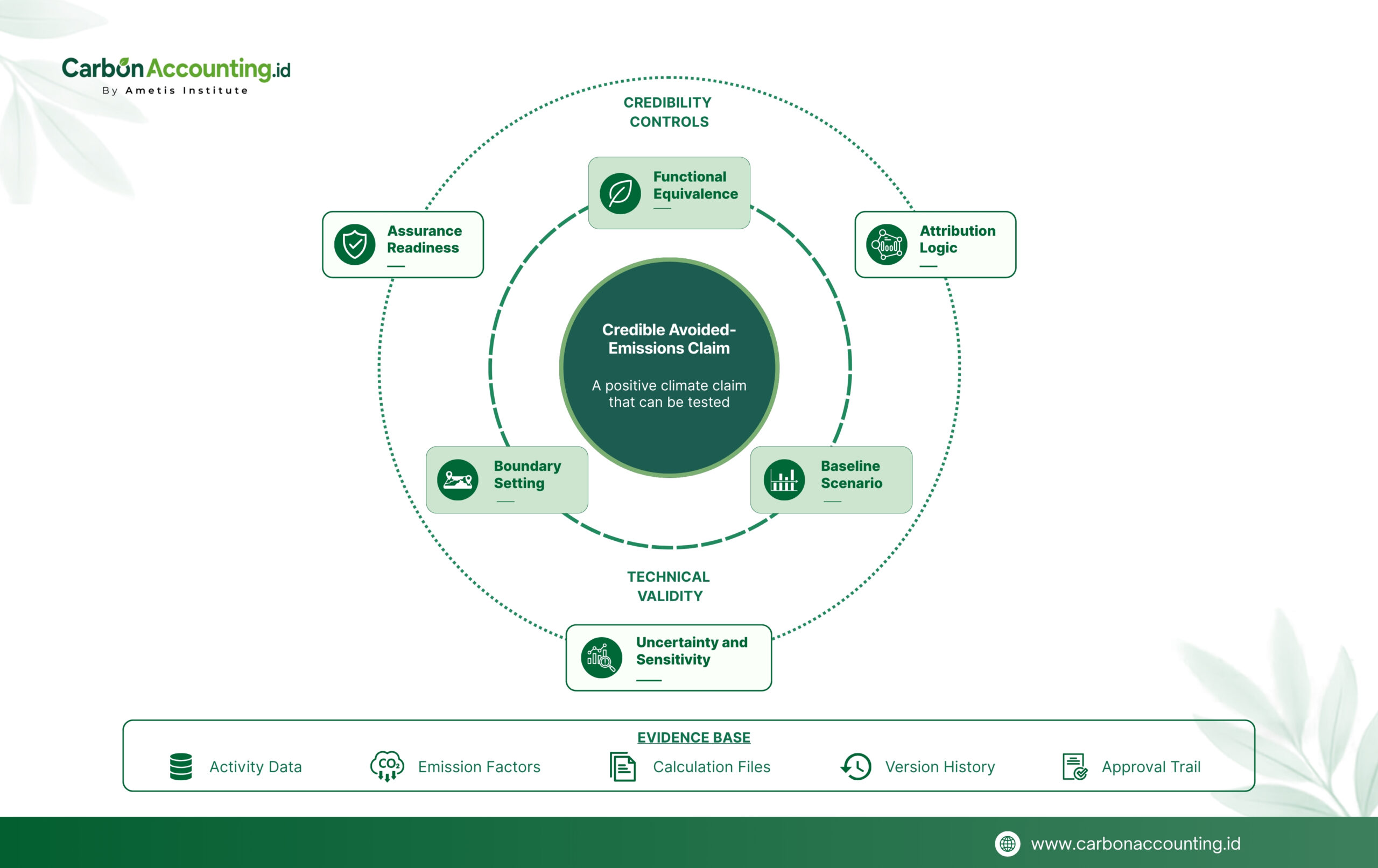
An integrated MRV system gives emissions data a practical use. It helps turn numbers into decisions. From there, climate action becomes more concrete, whether through cleaner energy, more efficient algorithms, or better timing for heavy digital workloads such as AI training.
The future of automation and AI rests not only on the sophistication of models, but also on the integrity of the infrastructure that supports them. Amid data center expansion, emissions transparency is no longer just an added value. It is a fundamental pillar of sustainable digital governance.