The New Direction of Global Capital: Rethinking Climate Finance
The New Direction of Global Capital: Rethinking Climate Finance

The climate agenda emerged from the calls of scientists and activists, and was then shaped by those in power. However, its implementation at scale is often determined by the direction of capital. Increasingly, the future of climate action is tied to the flow of global finance.
That alignment between global capital and the climate agenda has not always been smooth. The Net Zero Asset Managers Initiative, an association of managers that supports the goals of the Paris Agreement, has reflected those same ups and downs. By early 2025, the network had grown to more than 325 signatories with assets under management above USD 57.5 trillion.
Then a storm came. In the United States, Republican politicians and state legal actions intensified pressure on climate alliances in finance. NZAM was accused of helping boycott energy companies and encouraging anti competitive behaviour. In January 2025, after BlackRock left, the initiative suspended its activities.
At the end of February 2026, NZAM returned with support from more than 250 asset managers, mainly from the UK, Europe, Asia and the Pacific. Its revival was also backed by more than 50 asset owners representing over USD 3.7 trillion in assets.
But the new NZAM has a different face. It no longer asks every member to follow the same route to net zero by 2050 or the same interim targets. It now works as a platform for voluntary commitments and public disclosure, with room for each manager to define its own approach.
This is more than a shift in wording. The conversation is moving beyond portfolio decarbonization alone and toward a broader view of climate as a financial issue, covering transition investment, climate solutions, adaptation, resilience, and stewardship.
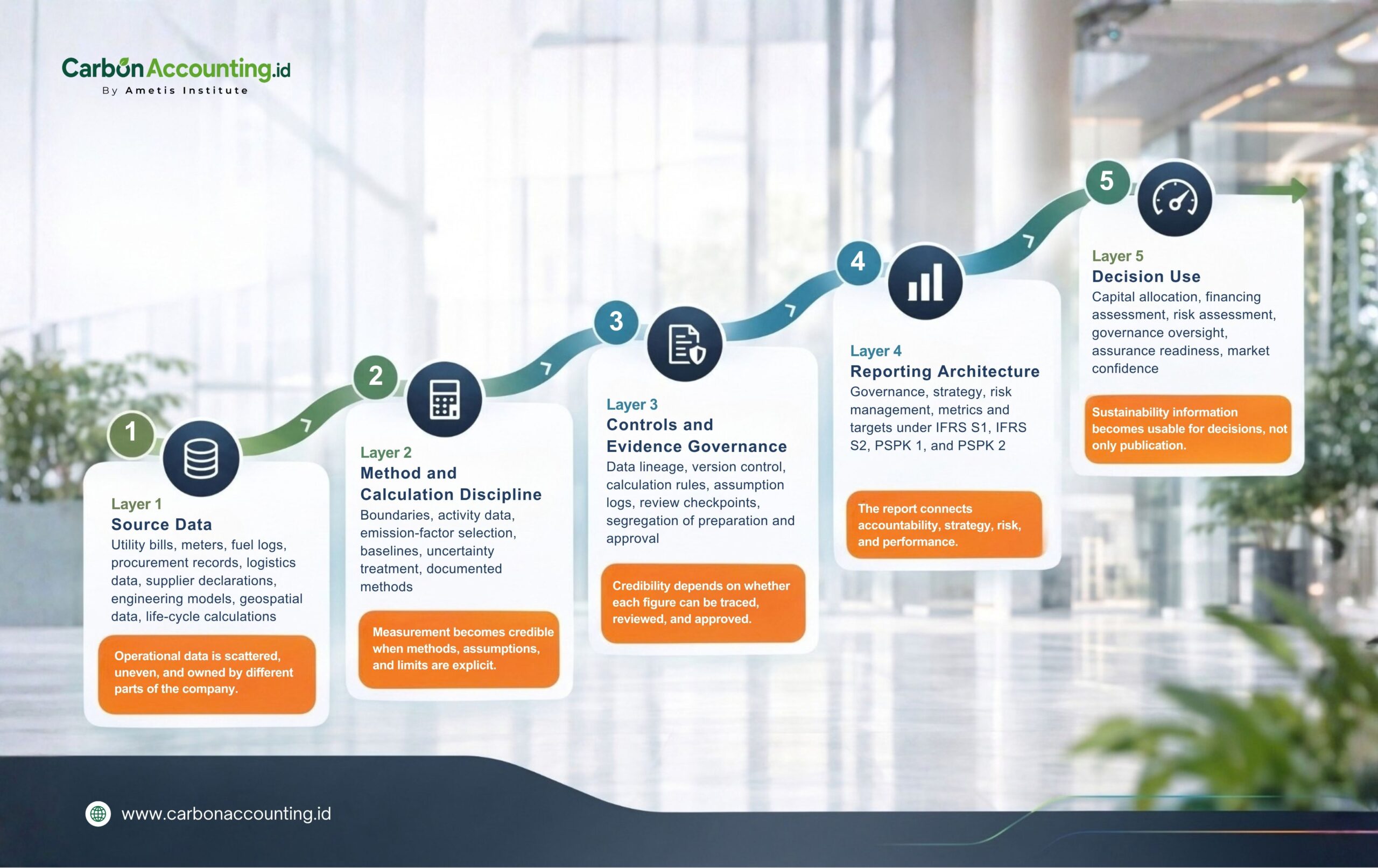
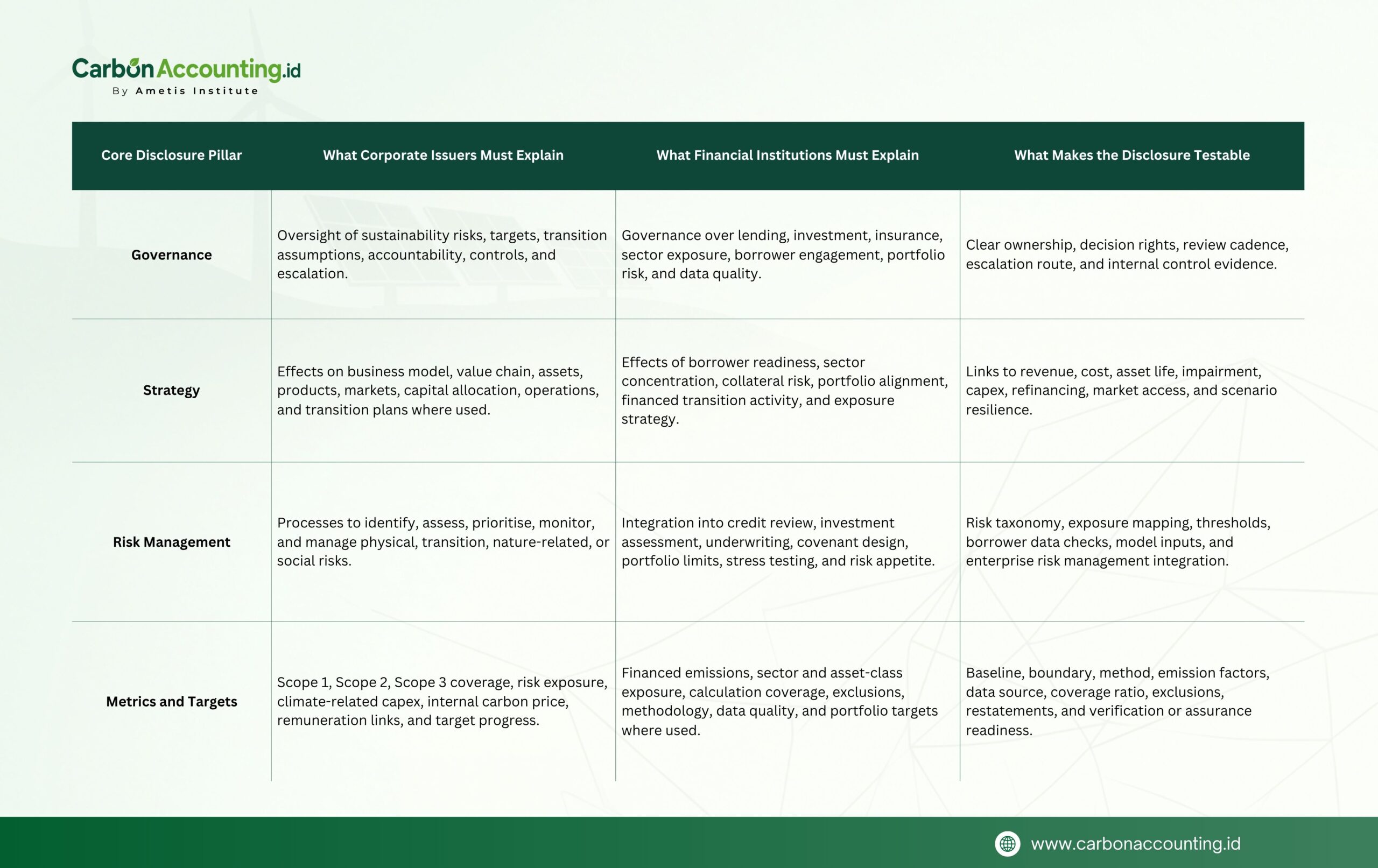
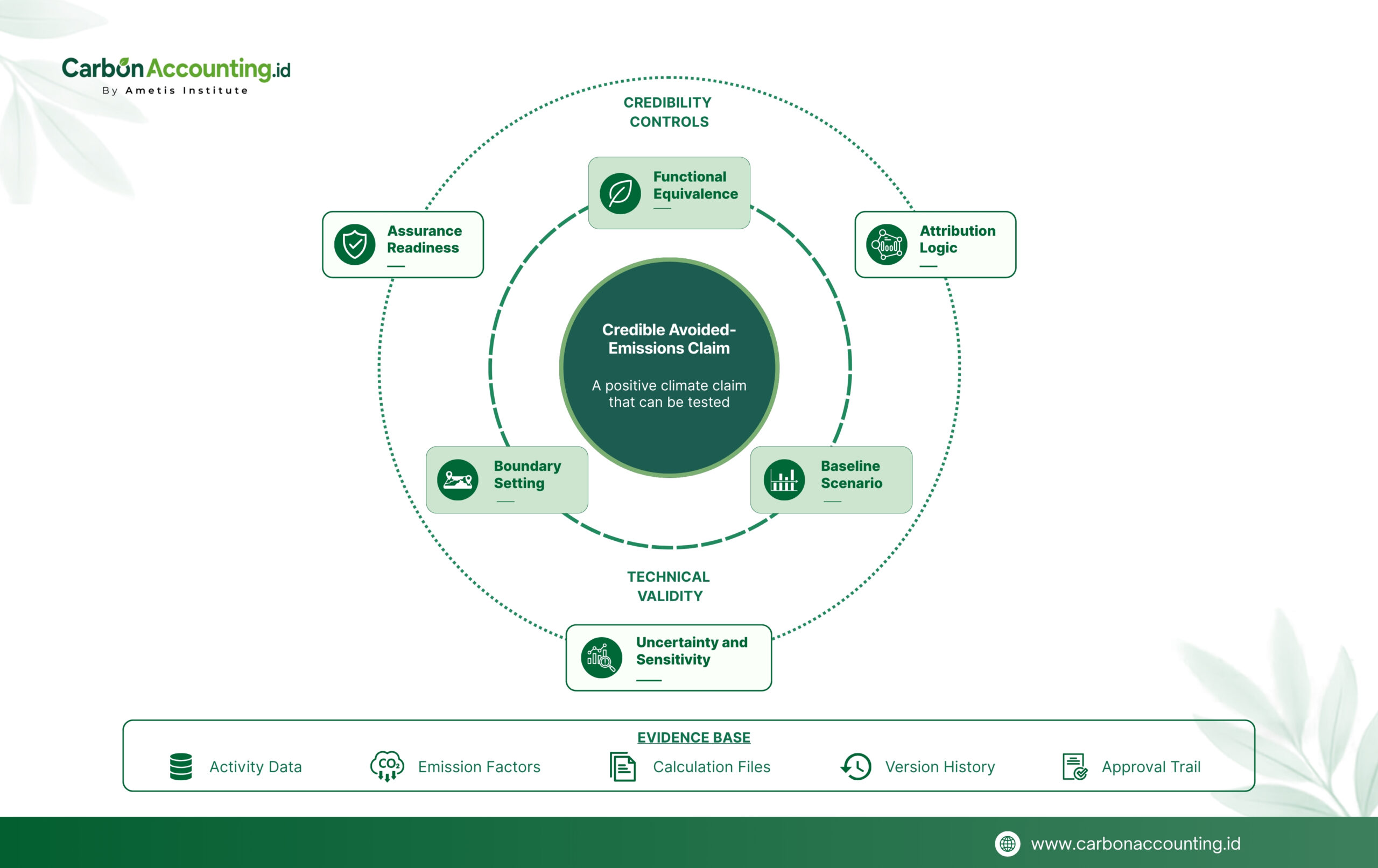
For businesses in Indonesia, the message is clear. Global investors have not walked away from climate issues. They are speaking in a more cautious, more financial language. Companies seeking capital still need to show credible emissions data, physical risk exposure, transition plans, and governance.
This matters for issuers, exporters, and companies that want to stay on the radar of institutional investors. Behind the changing language of ESG, the core question remains. Does the company understand climate risk, and does it know how to protect business value through the transition.
The path may not always be smooth, but the direction still holds. And that is what carries us forward.