Why Do We Need SME-Scale Sustainability Standards?
Why Do We Need SME-Scale Sustainability Standards?

We need a specific sustainability standard for SMEs, and Europe’s VSME could serve as a valuable reference.
Great trees need fences, but shoots need space. Blind standards only crush the emerging roots. True justice is not about dividing equally, but about the distribution of opportunity.
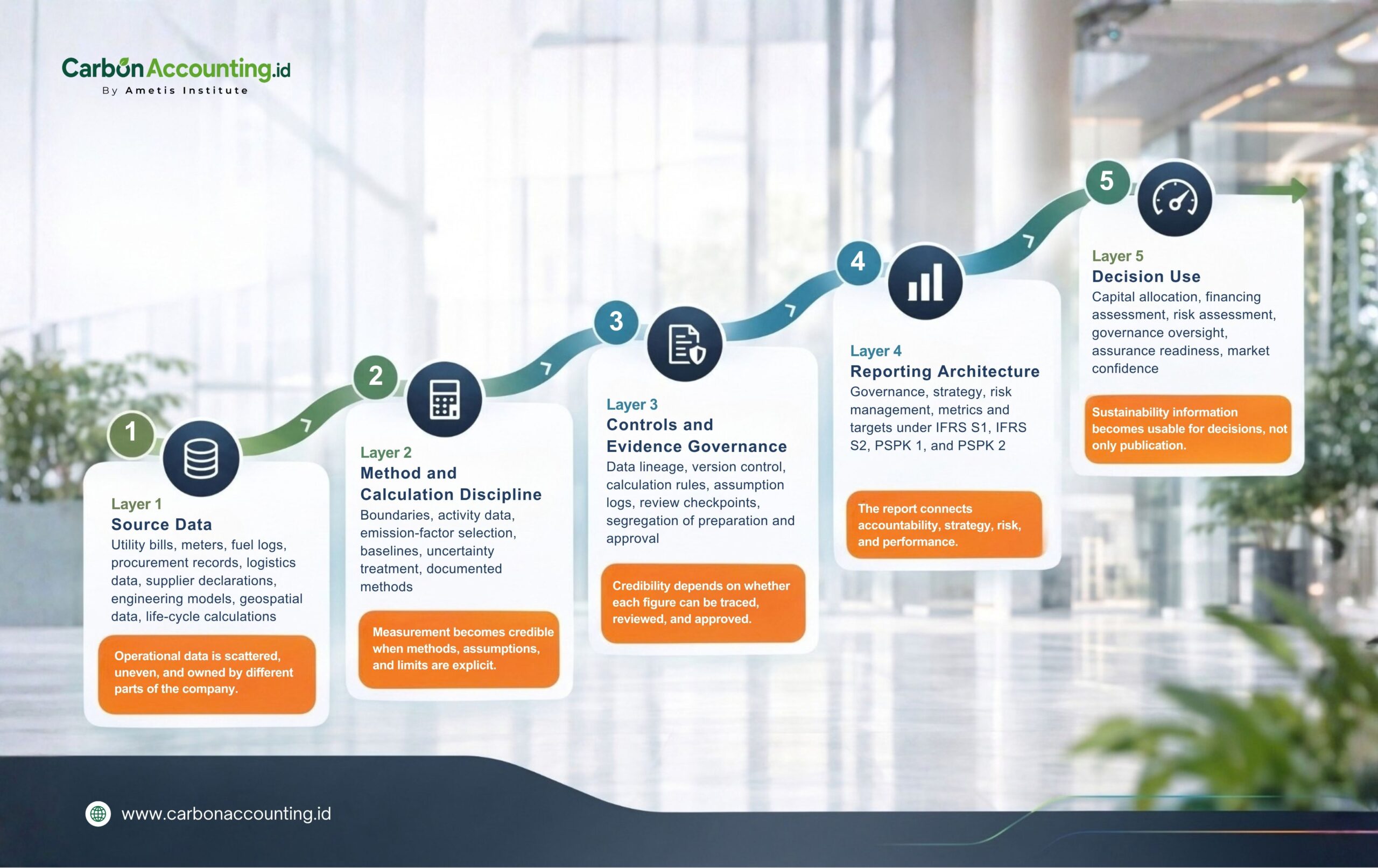
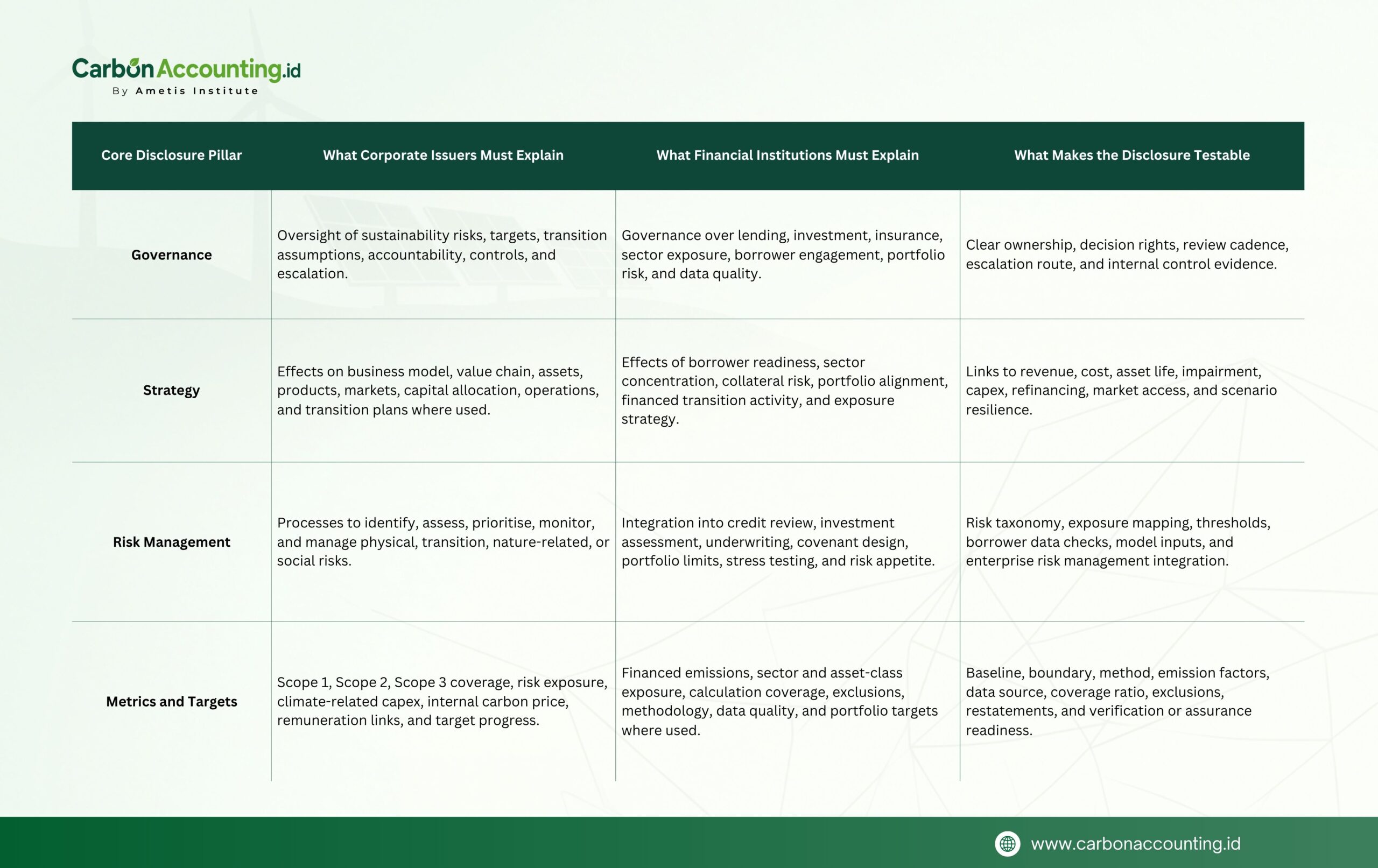
Climate compliance is getting denser by the year. For large companies, that means new teams, consultants, tools, data systems, and audits. For many SMEs, it means something simpler: confusion, cost, and lost time.
This creates a quiet dilemma. If SMEs can’t meet climate and sustainability requests, they risk being pushed out of big supply chains and missing out on green financing. But if they try to comply with every framework thrown at them, the bill can be unbearable.
The real problem isn’t ambition. It’s fragmentation. Without a simple, standardized format, SMEs get flooded: buyer asks for A, bank asks for B, aggregator asks for C. That’s not transformation. It’s administrative fatigue.
Europe’s VSME (Voluntary Sustainability Reporting Standard for non-listed SMEs) offers a useful lesson. It’s voluntary, modular, and proportional. SMEs start with a basic module, then add a comprehensive module only when needed. The principle is elegant: make once, use many times, lowering cost without killing credibility.
Indonesia can adapt this approach, without copying it blindly. The Ministry of SMEs should work with OJK, BI, the environment ministry, and associations to design an “Indonesia-style VSME”: one template, one language, plus simple evidence (electricity bills, fuel purchases, basic HR and safety records).
Policy needs to draw a clear line: don’t keep piling requests onto SMEs. Use this as the “as far as we go” standard for sustainability data in government/SOE procurement and in lending. Begin with self-declaration, and only verify when the stakes are higher. And if we’re asking for effort, we should give something back: access to government-subsidized lending program, better tender scores, and hands-on energy-efficiency support.
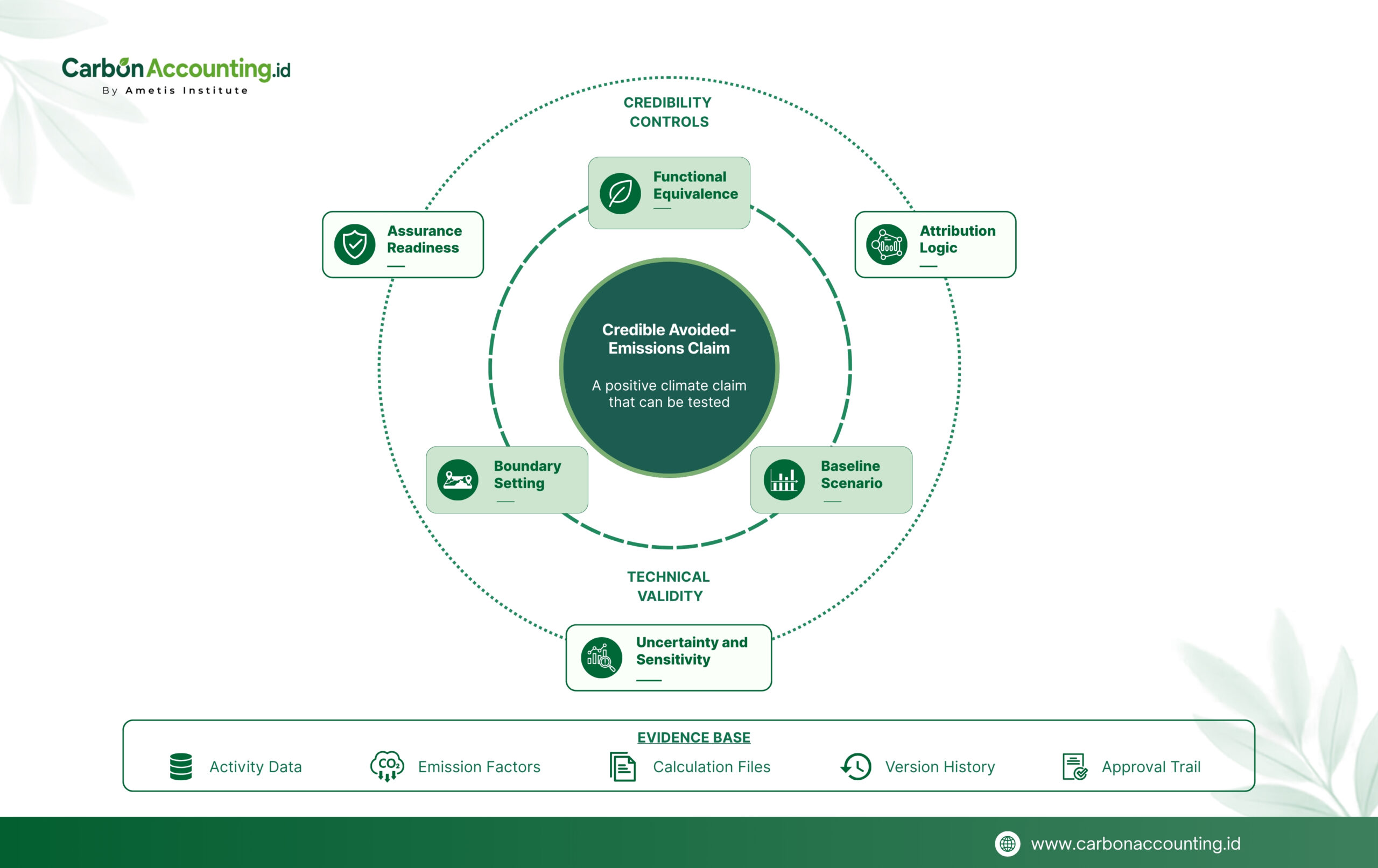
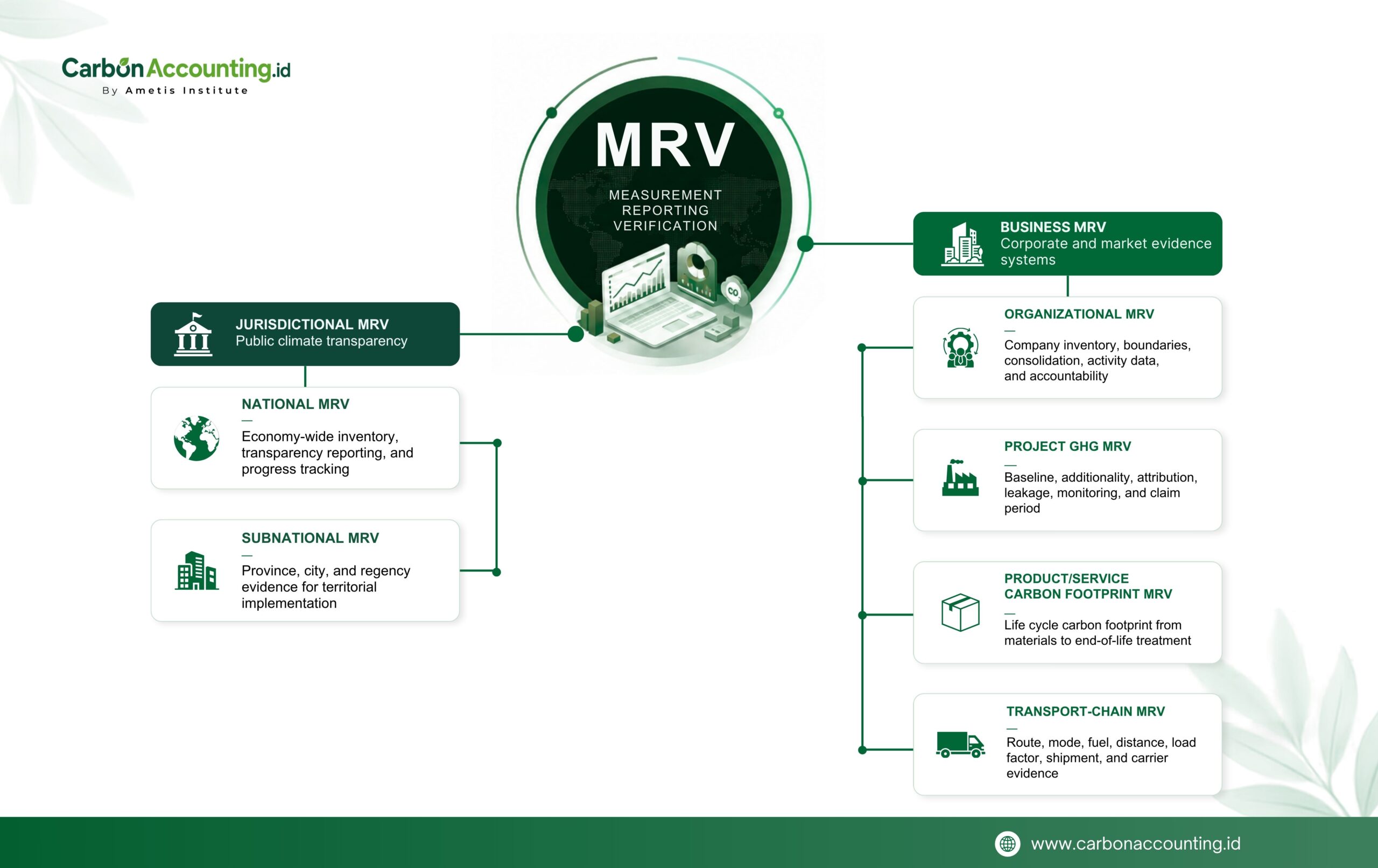
We also need a product carbon footprint (PCF) route that SMEs can actually live with. Use credible references like ISO 14067 and the GHG Protocol, but don’t force everyone to start at “audit-ready”. Start simple: a quick screening number using bills and basic production data (level 1). When a buyer really needs more confidence, upgrade to primary data (level 2). And only at the top tier when it’s required for contracts or claims go for a buyer-ready, verified PCF (level 3).
Supporting SMEs doesn’t mean lowering the bar. It means removing the unnecessary hurdles. Good climate rules don’t bury small businesses in forms, they help them compete.