The Integrity Test of Carbon Pricing in Indonesia
The Integrity Test of Carbon Pricing in Indonesia
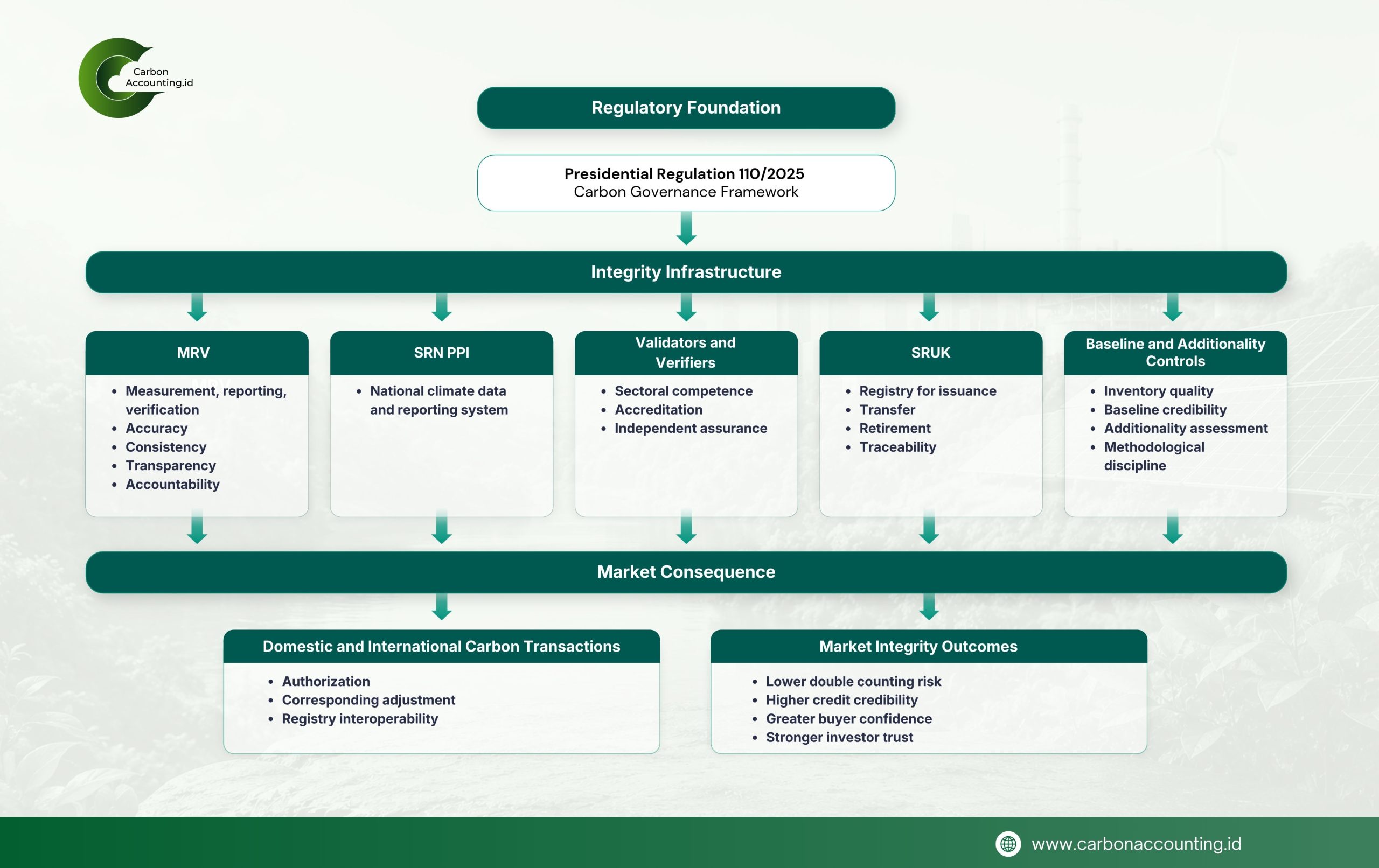
Indonesia’s Carbon Integrity Architecture
A carbon price does not fail only when it is weak. It also fails when the numbers beneath it cannot be trusted. Before carbon can speak through price, it must first speak through truth.
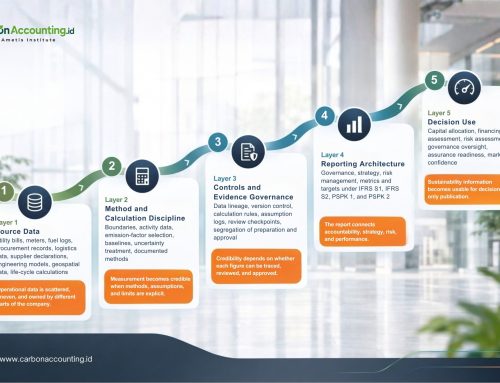
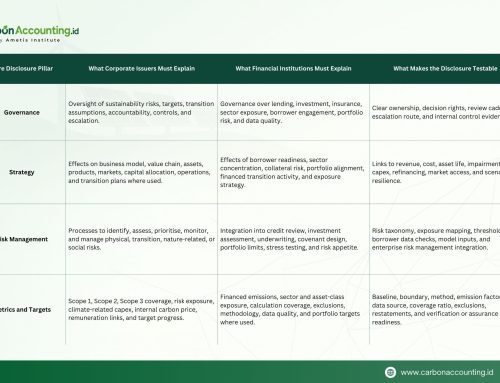
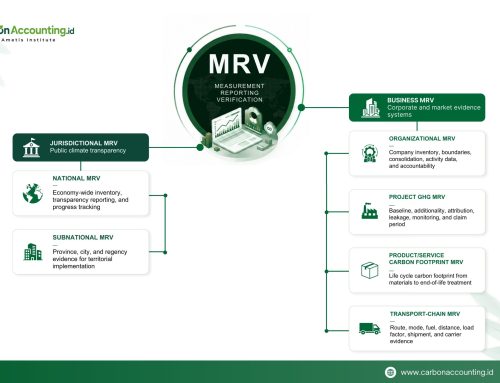
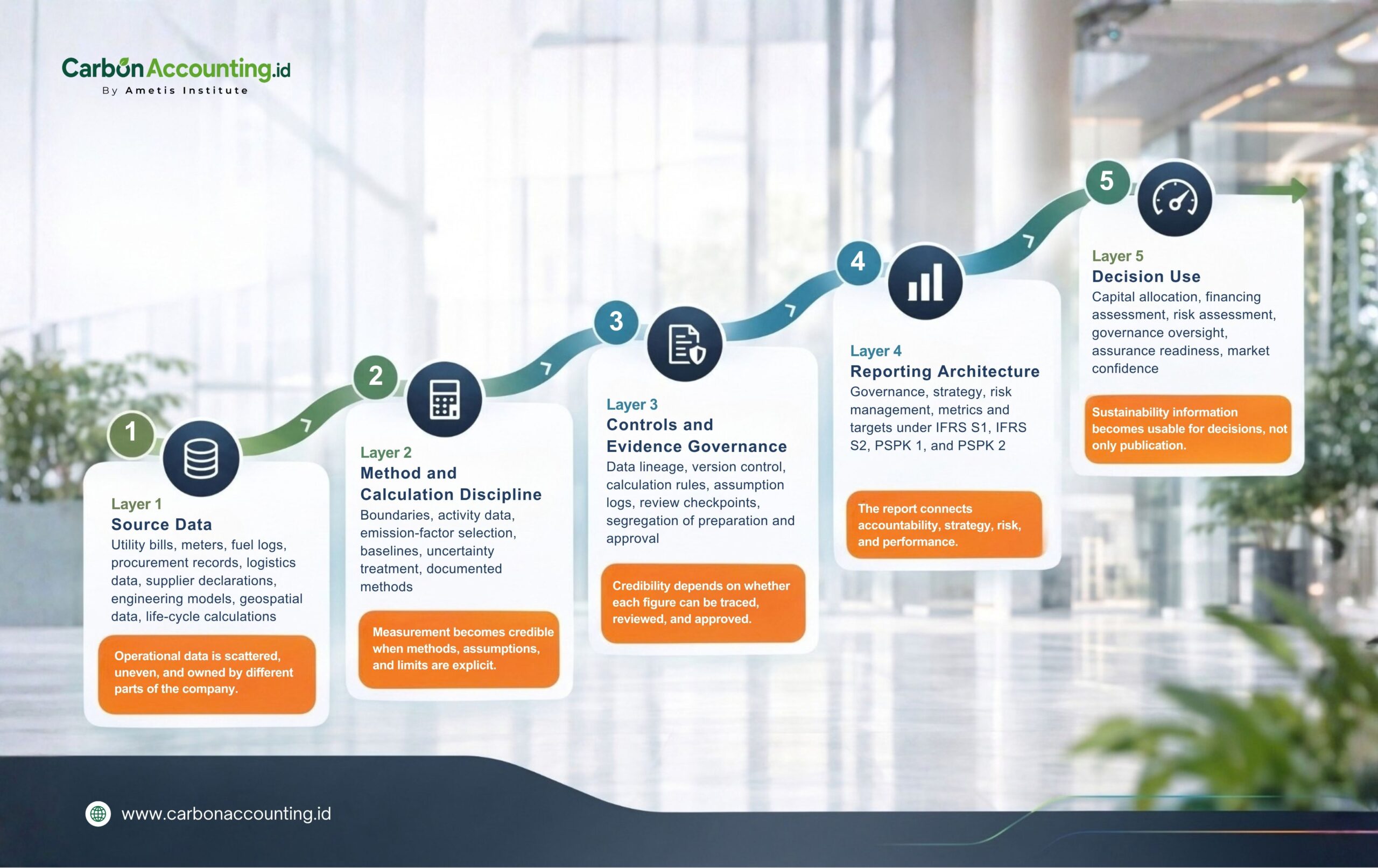
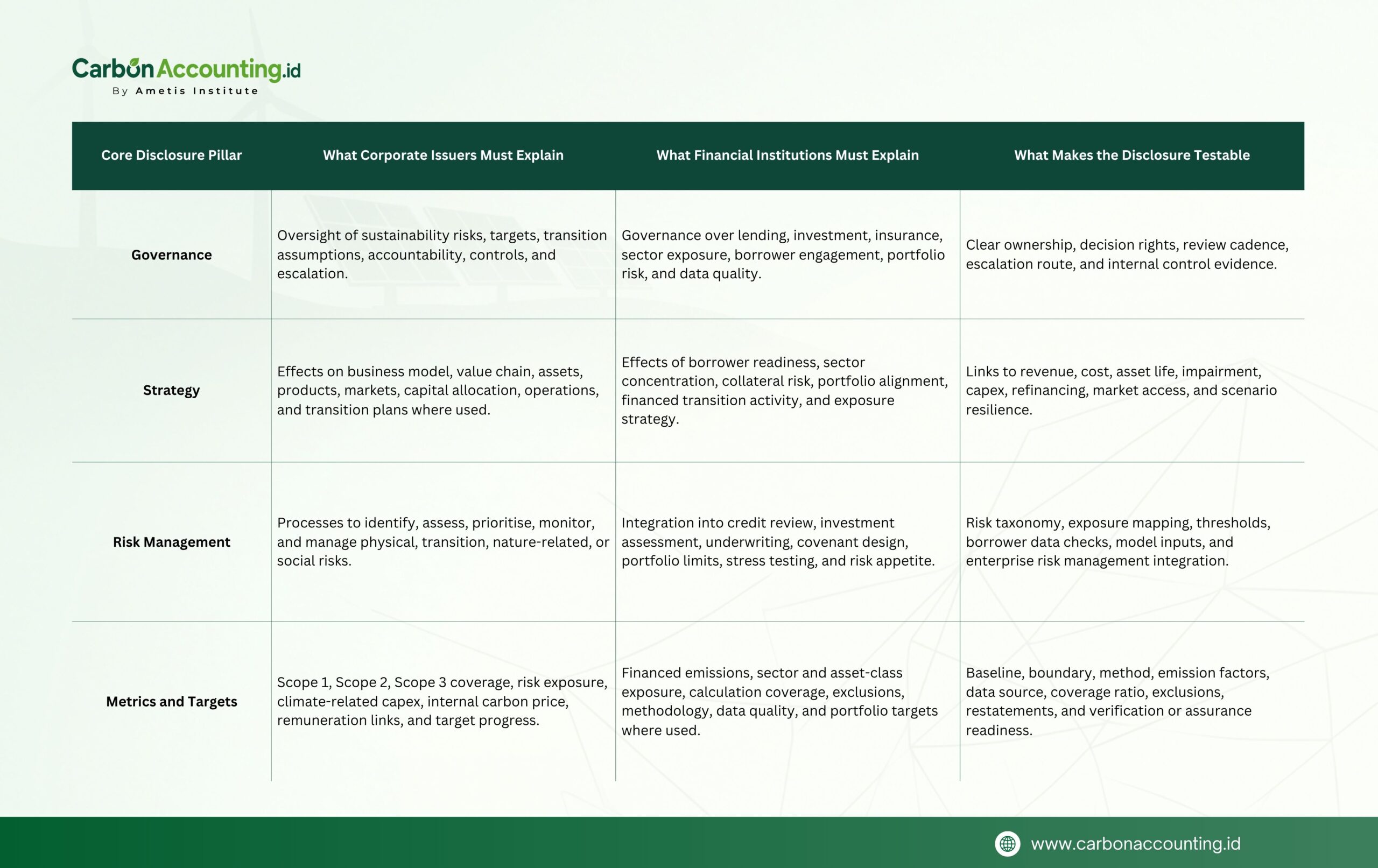
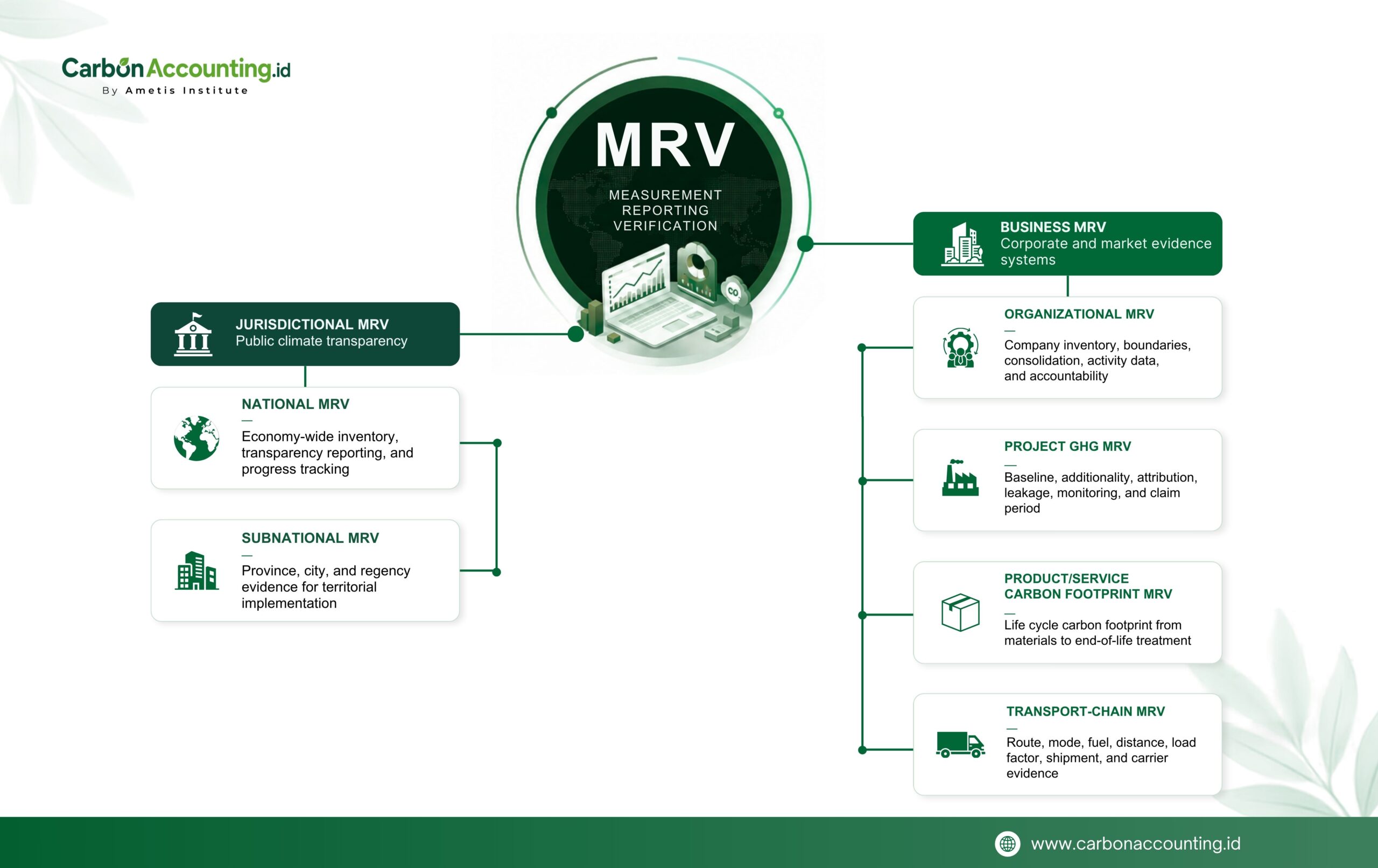
That is why Indonesia’s carbon story is no longer only about tax, trading, or policy ambition. Under Presidential Regulation 110/2025, carbon governance is placed on a clearer institutional footing. Mitigation, adaptation, and carbon economic value instruments are meant to run through MRV, SRN PPI, SRUK, SPE GRK, and Non SPE GRK, so the market rests on an auditable chain of data, not on promises alone.
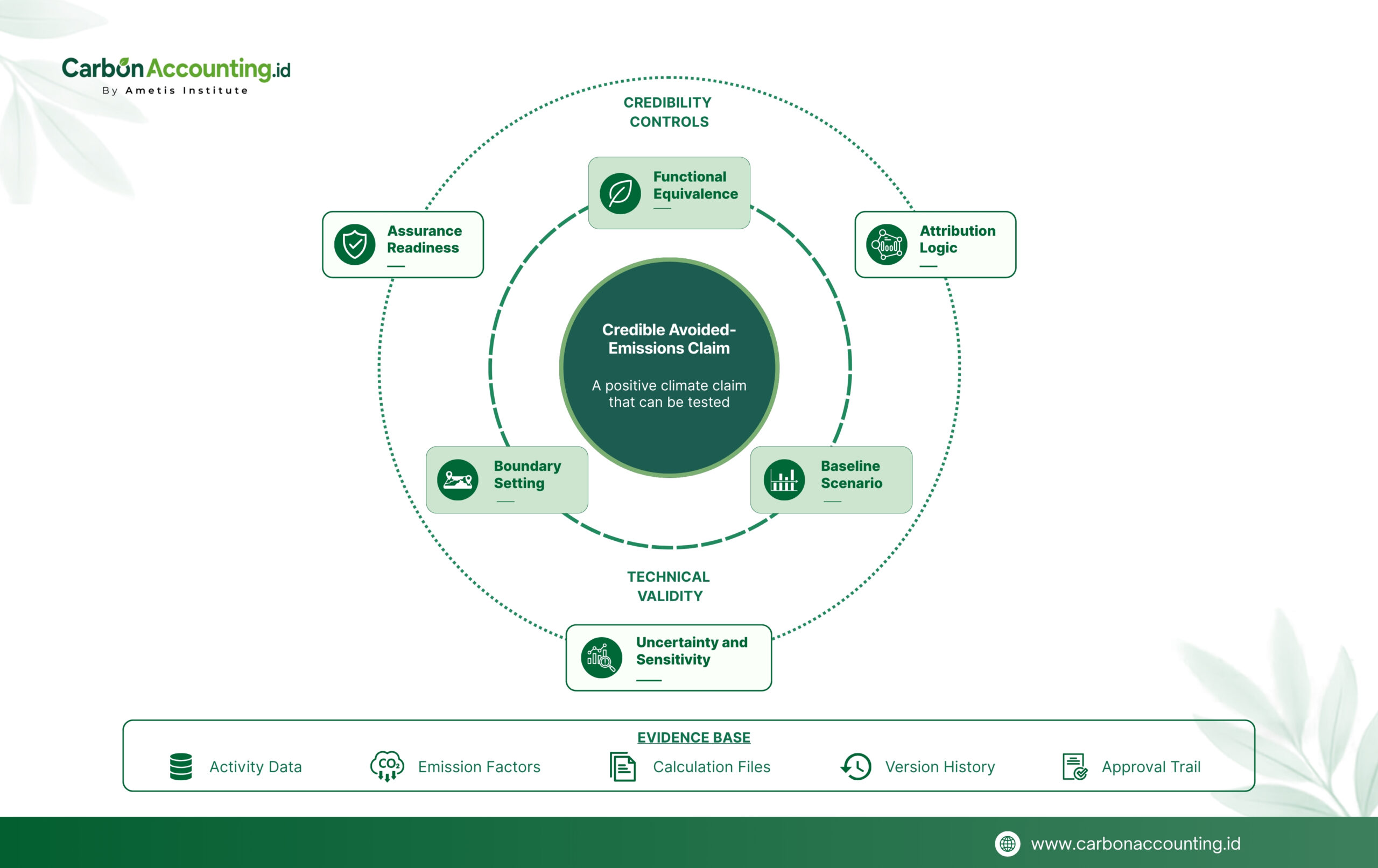
The strength of that chain begins with the emissions inventory and the baseline. The regulation defines a baseline as the projected level of emissions without mitigation policy or technology intervention. It also requires provincial baselines to draw on annual inventories, historical emissions data, scientific databases, and economic and social considerations, and to be revised when activity data or emission factors change materially.
That sounds technical, but the meaning is simple. A weak inventory can produce a weak baseline. And a weak baseline can make emissions reductions look larger than they really are.
Verification is what turns reporting into trust. The same regulation requires carbon trading to be recorded in SRUK and says the registry must be transparent, traceable, real time, permanent, and able to interact with other registry systems. It also requires independent validators and verifiers with sector competence and proper accreditation. In a serious market, a registry is not paperwork. It is memory.
Indonesia has actually moved further on architecture than many critics admit. In August 2025, the Ministry of Environment relaunched SRN PPI as a more modern and integrated climate data hub. Yet the same period also showed the harder truth, many smaller actors still face technical and information constraints in preparing action plans and reporting results.
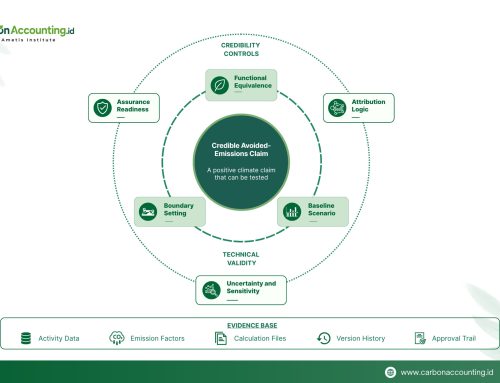
The same tension appears in additionality and double counting. Indonesia’s offset pathway already asks for project documents, methodology, validation, verification, supporting data, and public consultation. The regulation also distinguishes foreign trades that require authorization and corresponding adjustment from those that do not, which shows that integrity is being designed into the system, even if some operational details are still being built.
That is the real test ahead. A carbon market does not become credible because it has a price tag. It becomes credible when every tonne can be measured, checked, traced, and believed.