How Markets Price Transition Credibility
How Markets Price Transition Credibility
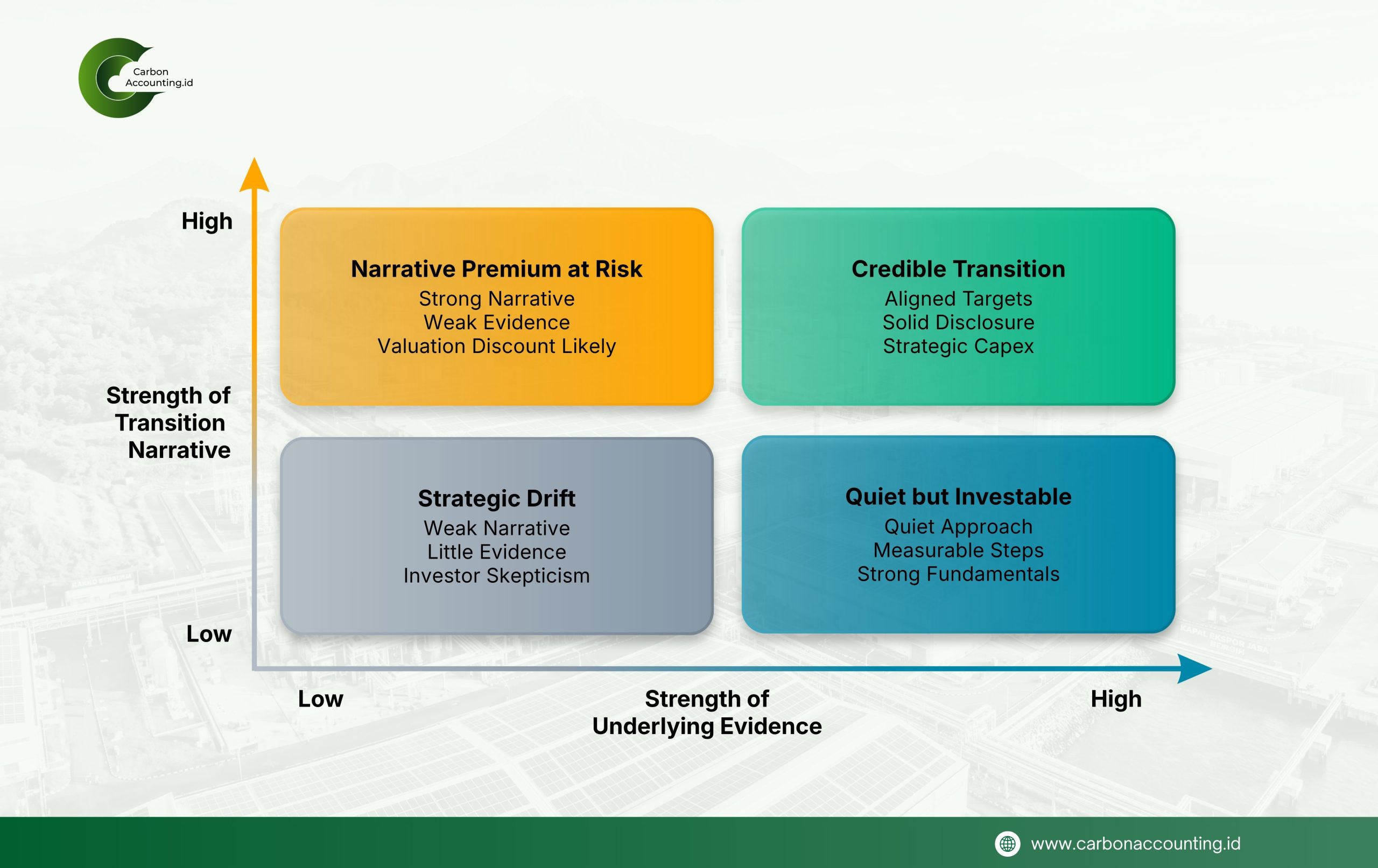
Transition Narrative vs Market Credibility: how markets distinguish between transition narratives and transition credibility by judging the strength of underlying evidence behind a company’s claims.
A transition plan begins to matter when the market stops hearing ambition and starts seeing commitment. Climate promises still attract attention, but attention is no longer the prize. Investors now want proof that the company is truly moving, and that the movement is strong enough to carry capital with it.
This is why similar promises do not produce similar outcomes. Two companies may both speak fluently about transition. One is rewarded with trust. The other is met with distance. The market is not only listening to the words. It is listening for the weight behind them.
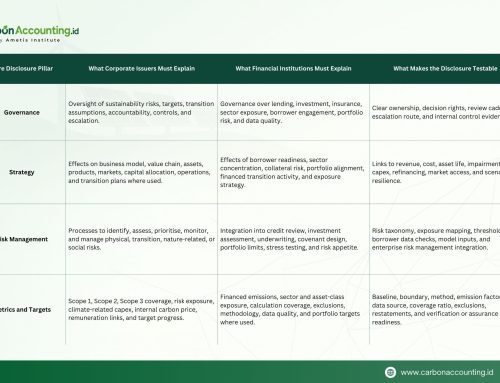
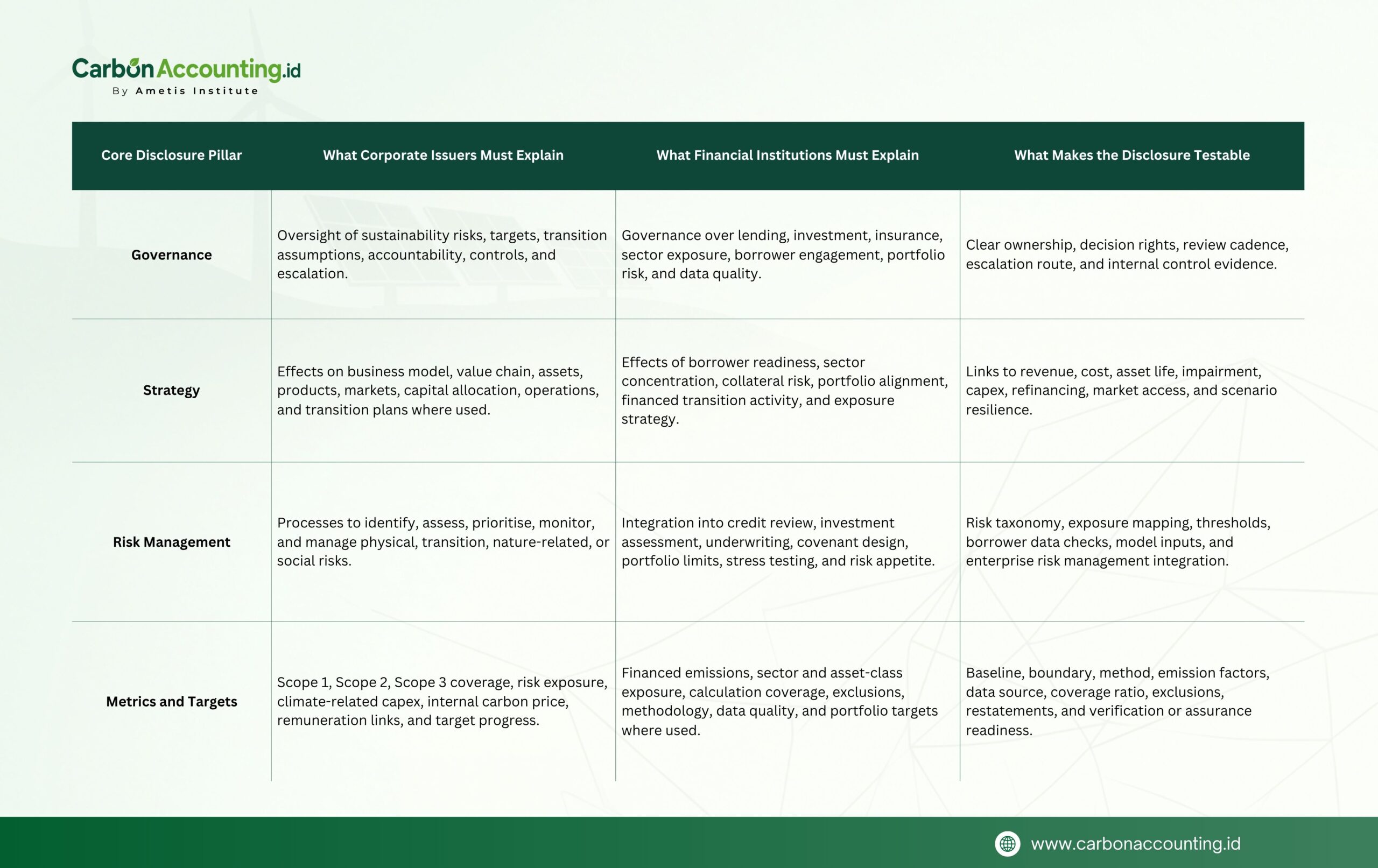
Part of that weight comes from disclosure. Good disclosure does not merely sound responsible. It gives outsiders something solid to assess. The targets are clear. The assumptions are visible. The narrative does not drift each year. When reporting stays vague, investors begin to suspect that the strategy may be vague as well.
But the harder test is capital allocation. Markets pay attention when transition shows up in capex, in portfolio reshaping, in technology choice, and in the retirement of assets that no longer fit the direction of travel. A company becomes easier to believe when money starts confirming what the narrative has been claiming.
There is also a question of resilience. Can the business hold together as carbon pressure rises, regulation shifts, and customer demand changes. Markets trust leaders who can explain the journey with realism, not ceremony.
That is where the financial consequences appear. Credible transition can improve investability, support financing access, and soften the risk discount applied to the firm. Weak transition can do the opposite. It can invite doubt, cool lending appetite, and raise the return the market demands. Transition is now part of pricing.
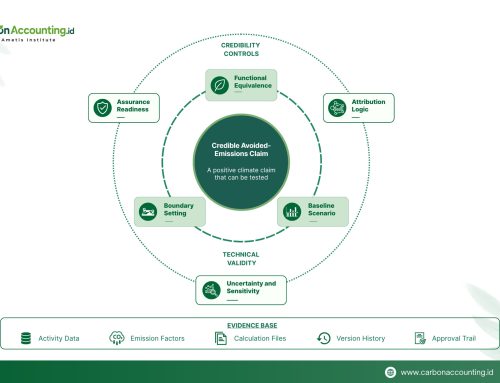
Trust, then, is not won by saying more. It is won by making the transition legible. A company gains belief when disclosure is disciplined, targets are measurable, capital moves with strategy, and management can explain the hard parts without polished phrasing.
Markets do not finance a mood. They finance a direction they can believe. What earns capital is not ambition alone, but credible movement.