What Issuers and Financial Institutions Must Explain in Sustainability Disclosure
What Issuers and Financial Institutions Must Explain in Sustainability Disclosure
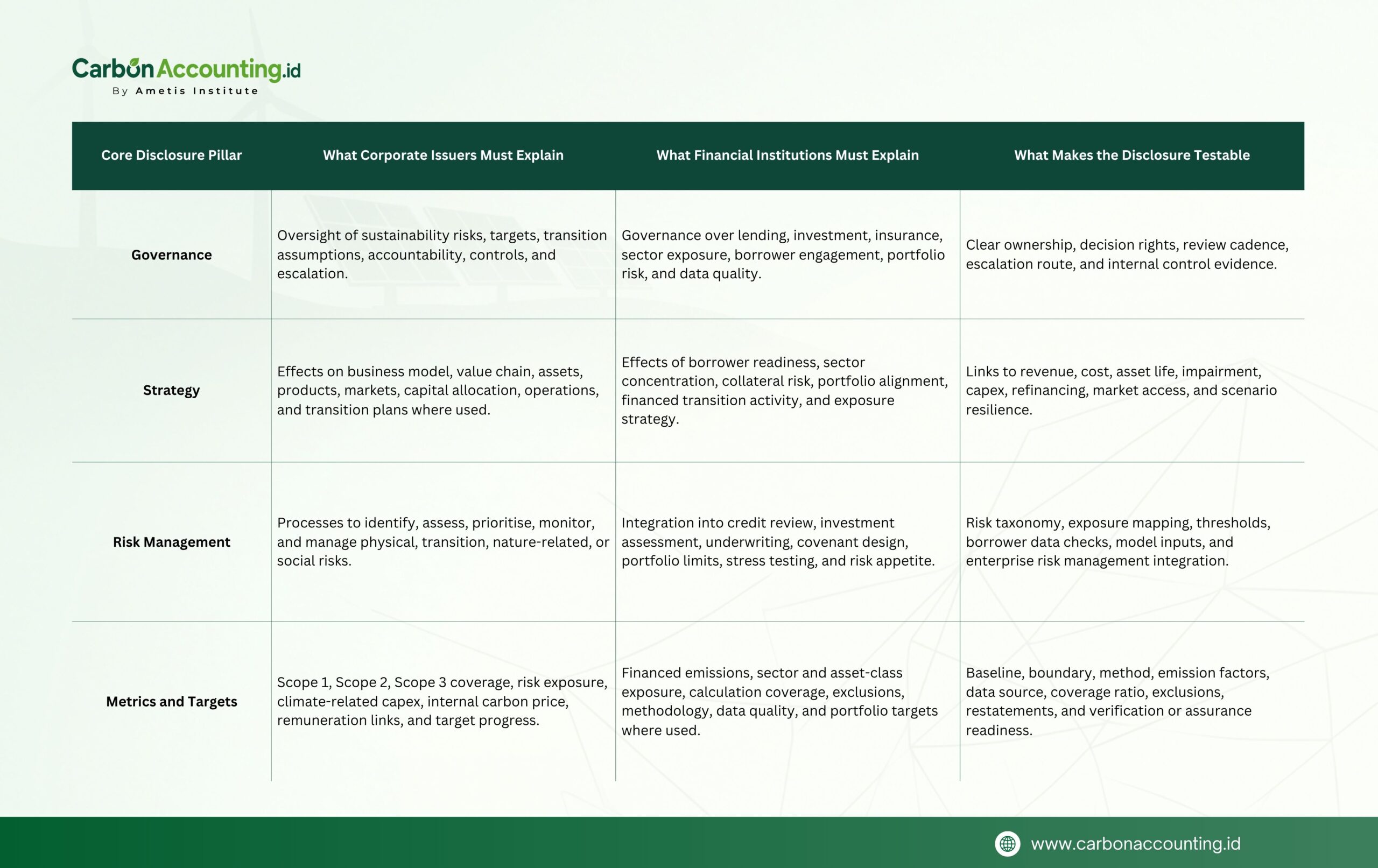
Core Disclosure Pillars for Capital-Relevant Sustainability Information
A serious sustainability report does not merely describe concern. It shows how pressure enters the machinery of business value. This is the new test for companies and financial institutions. Climate, water, labour, and nature are no longer judged only by whether they sound important. They become material when they can change cash flows, asset lives, credit quality, financing cost, market access, or the resilience of the business model.
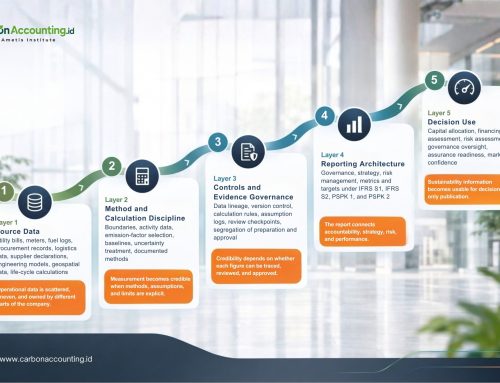
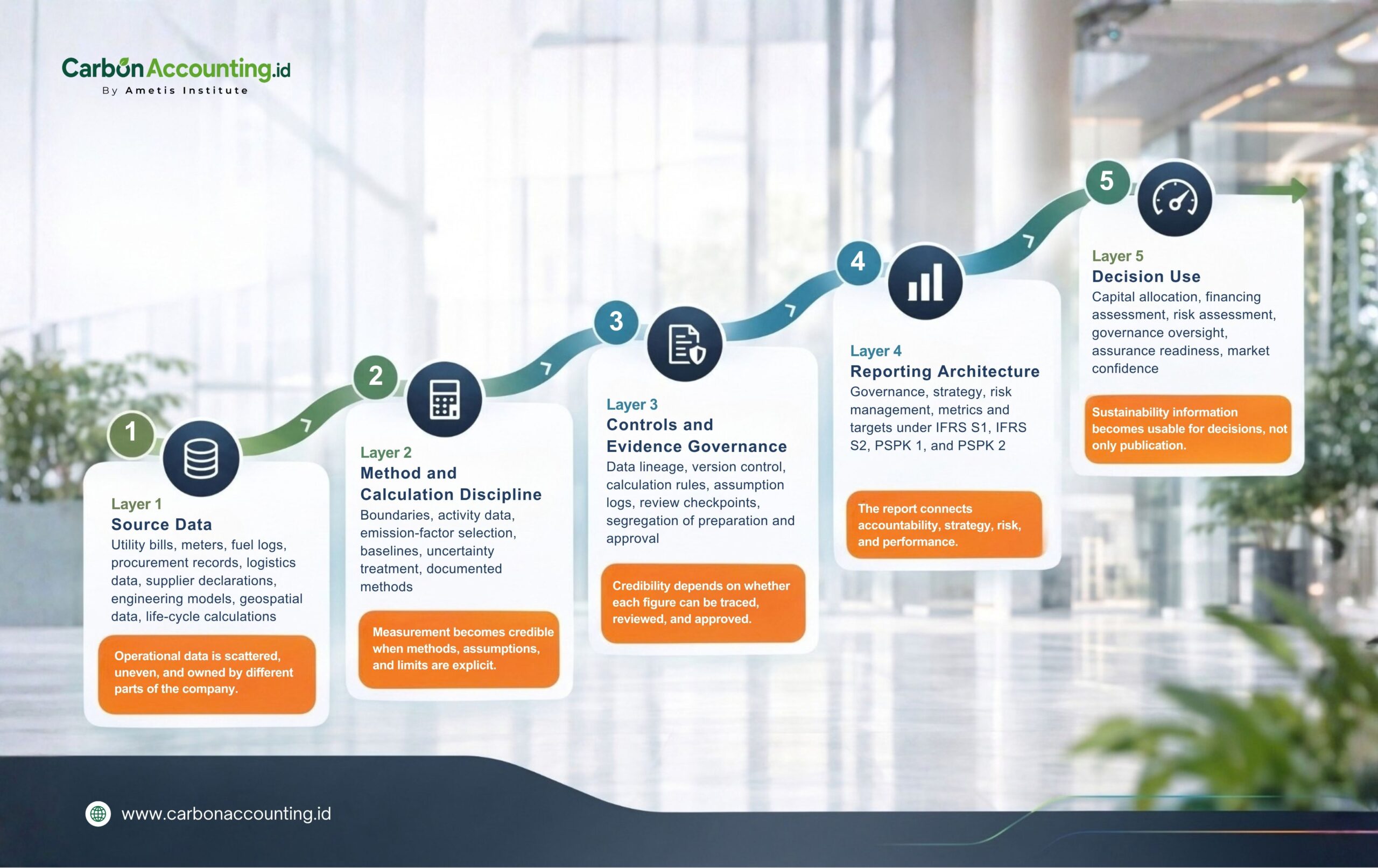
Under the logic of IFRS S1 and IFRS S2, disclosure must now move from listing issues to explaining consequences. Governance, strategy, risk management, metrics, and targets are not report sections to be filled. They are the architecture for showing how exposure becomes financial impact.
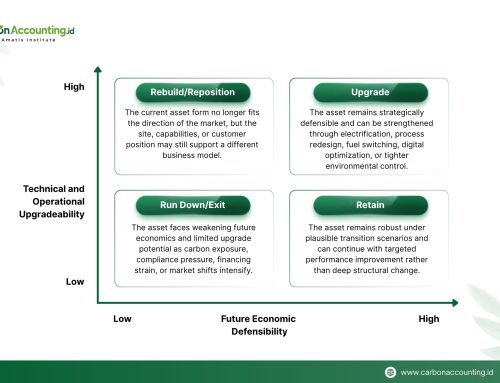
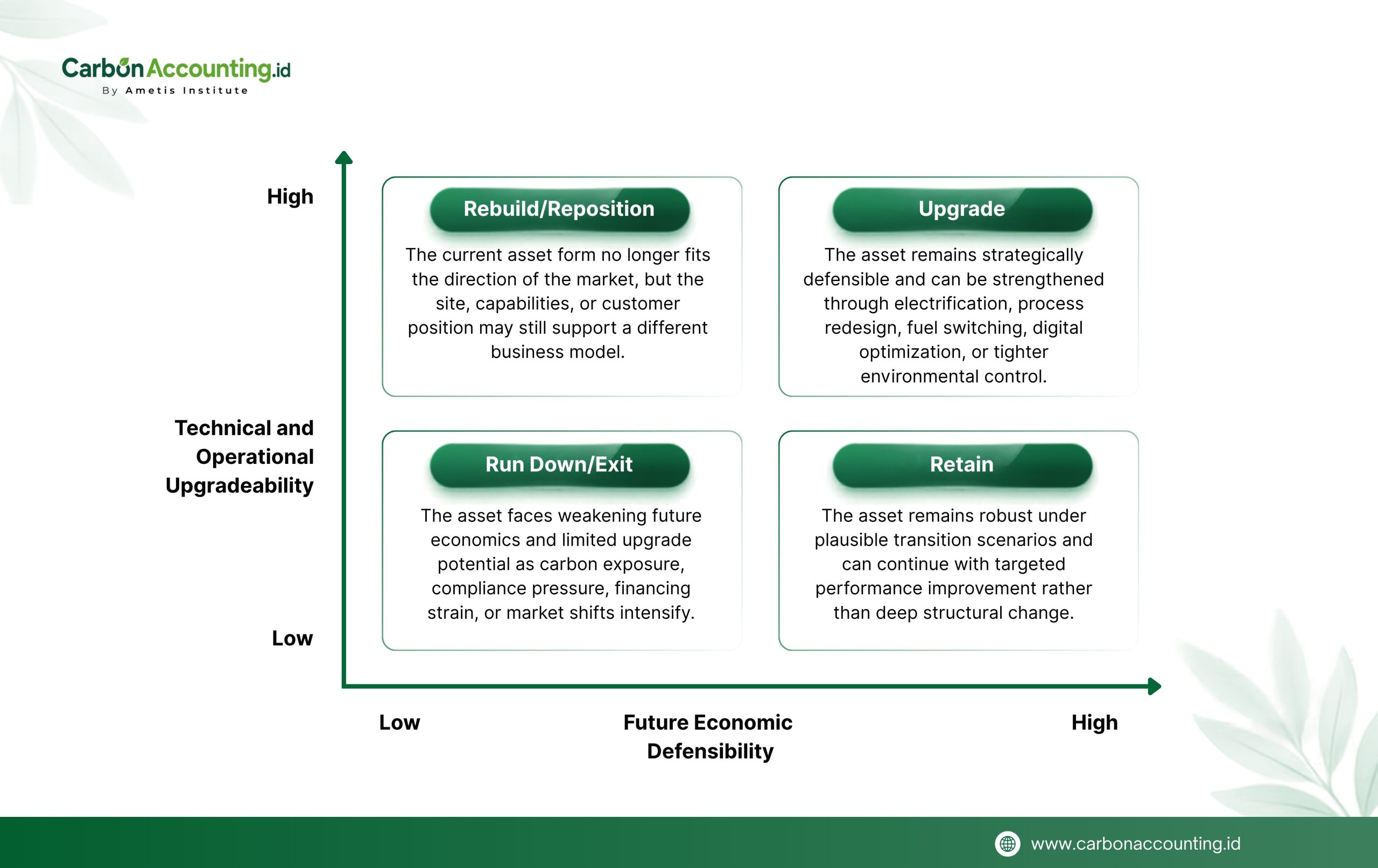
For issuers, the technical work begins with risk channels. A carbon price, grid constraint, water shortage, heat event, buyer requirement, product standard, or technology shift must be connected to business effects. These may include higher operating cost, lost revenue, capex reprioritisation, contract pressure, supply disruption, impairment risk, shorter asset life, or more expensive debt.
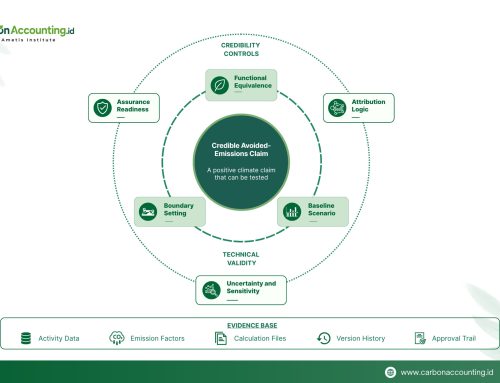
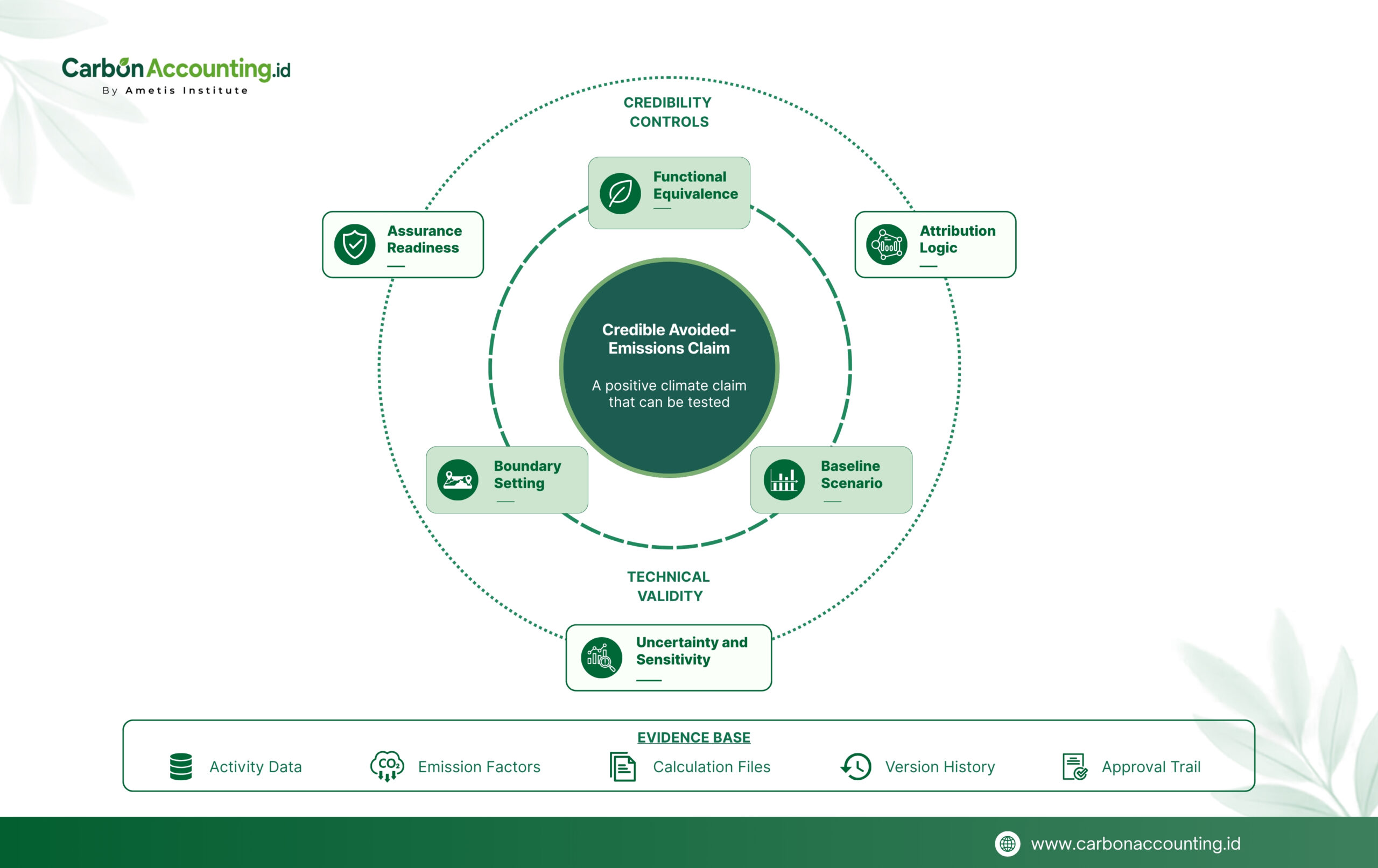
A climate target is not credible because it is ambitious. It becomes credible when the method can be examined. That means showing the base year, boundary, activity coverage, gases, Scope 1 and Scope 2 approach, material Scope 3 categories, calculation method, emission factors, and the treatment of certificates or offsets. A transition plan should then explain how the target enters technology decisions, energy procurement, investment timing, operating limits, internal accountability, and interim milestones.
Financial institutions must read climate risk through another lens. Their exposure is often embedded in the clients, projects, assets, and sectors they support. For banks, the issue becomes financial when borrower emissions, collateral risk, sector concentration, or transition weakness can influence probability of default, loss given default, pricing, provisioning, risk appetite, or portfolio strategy.
This is why financed emissions cannot be treated as a simple accounting number. They depend on borrower data, asset class, exposure, enterprise value, emissions boundary, methodology, and data quality. A number may look precise while carrying large uncertainty underneath.
Portfolio alignment must also be read carefully. Lower reported emissions may come from real decarbonisation, lower production, divestment, methodology changes, missing data, or changes in exposure. These are very different stories. Decision-grade disclosure must explain what actually moved.
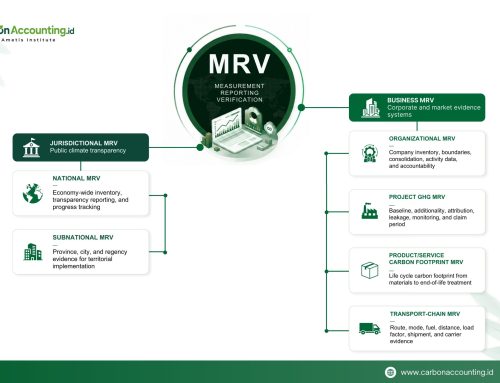
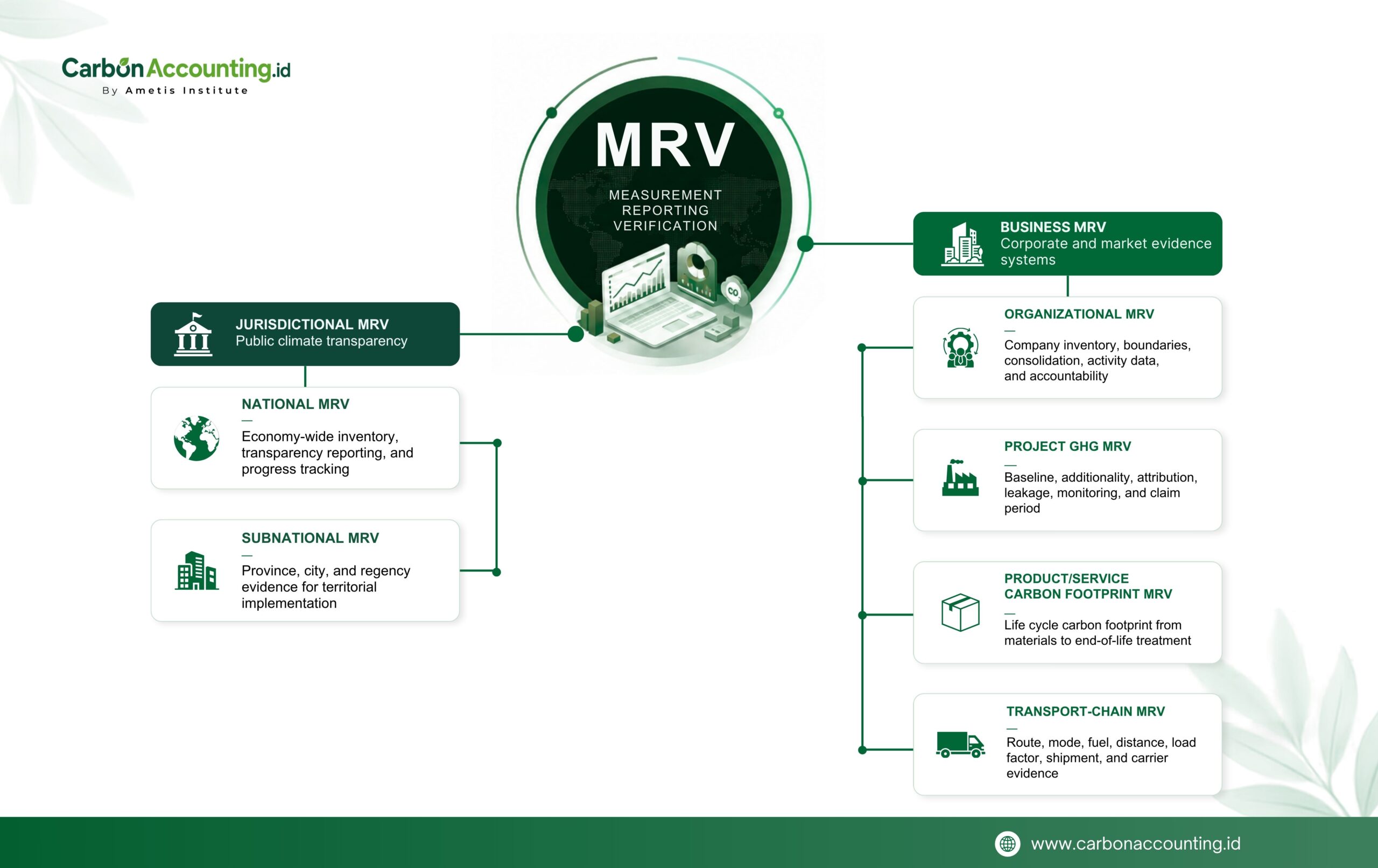
The bridge between issuers and financial institutions is data integrity. Weak borrower data flows into bank metrics, portfolio models, risk appetite, capital allocation, and external disclosure. Once sustainability disclosure becomes capital information, every claim needs a measurement trail strong enough to survive scrutiny.