The New Architecture of Sustainability Reporting
The New Architecture of Sustainability Reporting
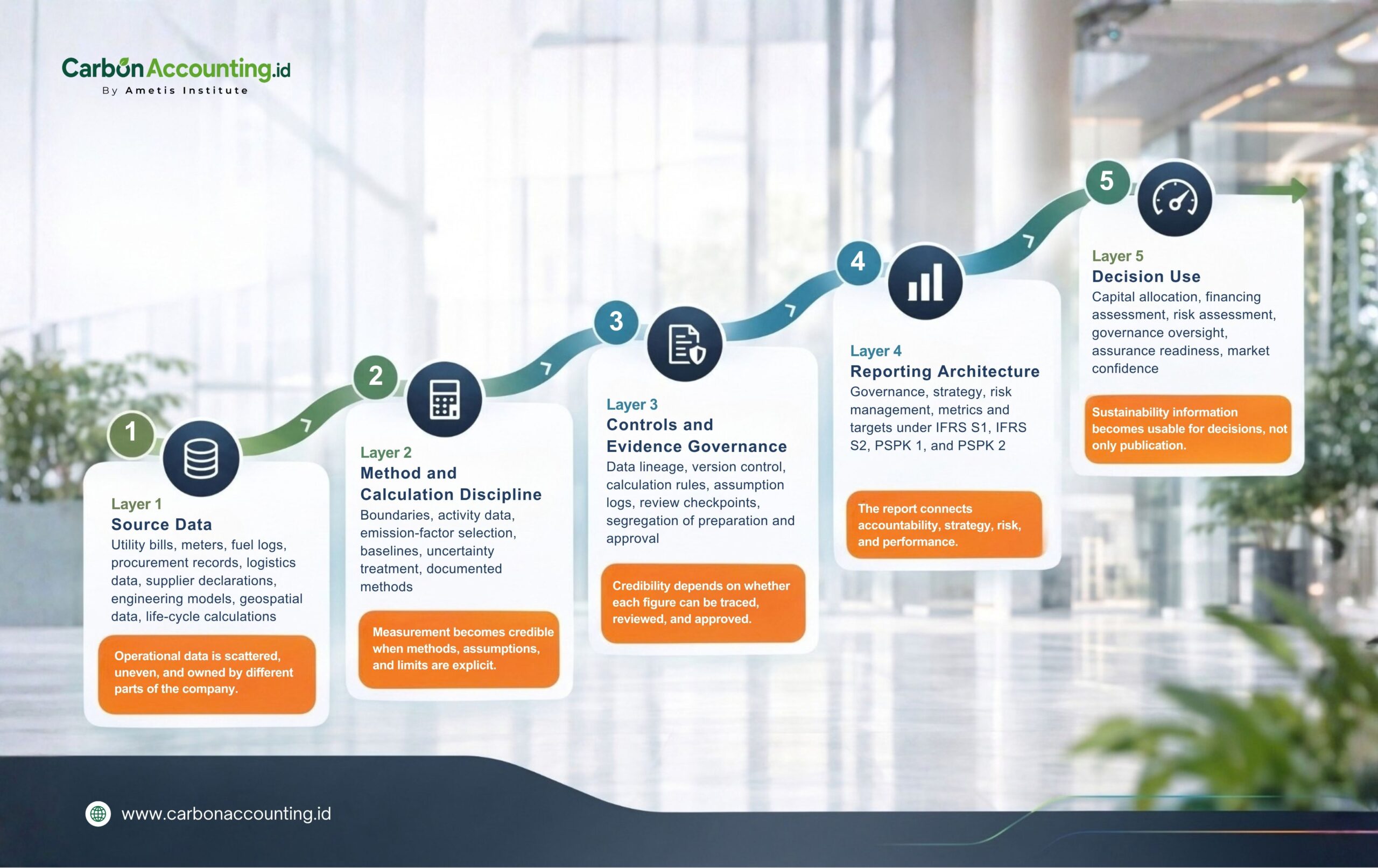
The new architecture of sustainability reporting traces the movement from fragmented operational data to decision-grade disclosure
A sustainability report used to be a mirror of good intention. Now it is becoming a test of corporate discipline. The market is no longer satisfied with a written story.
Markets are no longer asking whether a company talks about sustainability. They are asking whether sustainability has entered authority, capital, risk, and evidence. Disclosure is no longer only about what a company says. It is about how the company knows what it claims to know.
The older model treated sustainability reporting as a record of responsibility. It gathered programs, indicators, awards, and commitments into a document that often looked persuasive. But persuasion is not the same as decision-useful information.
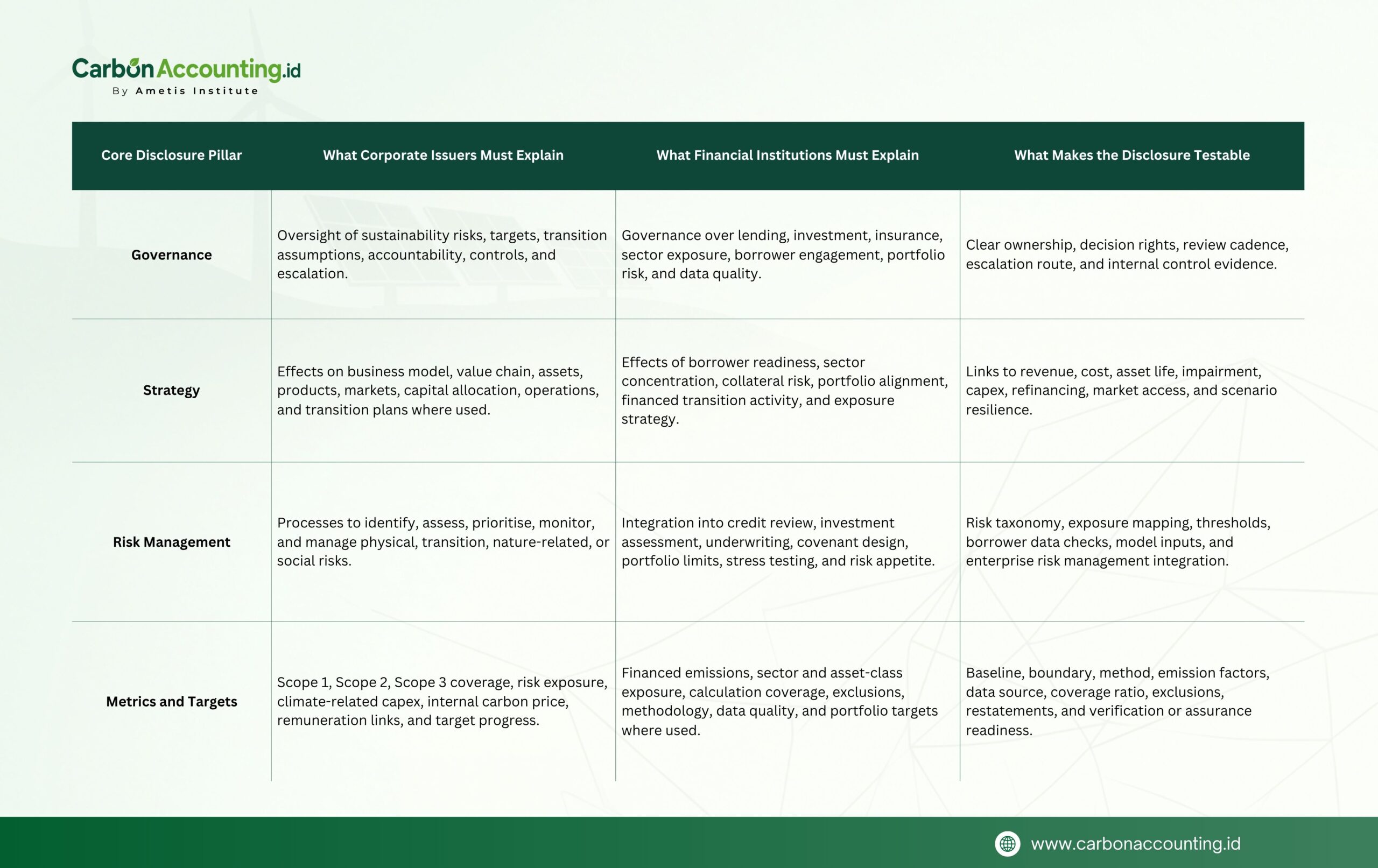
The new architecture asks a harder question. Can sustainability-related risks and opportunities affect cash flows, access to finance, cost of capital, asset lives, supply reliability, or the durability of the business model? This is why IFRS S1 and IFRS S2 matter, and why Indonesia’s PSPK 1 and PSPK 2 are important for the national reporting landscape.
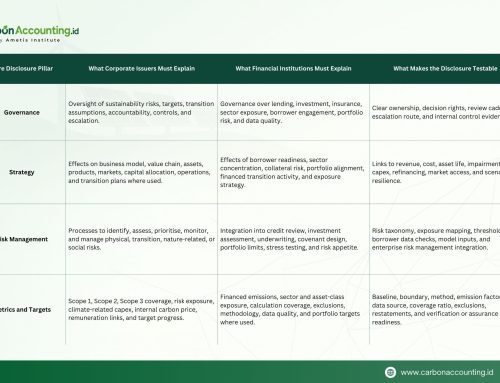
The four pillars may look simple: governance, strategy, risk management, and metrics and targets. In practice, they are demanding. Governance asks whether sustainability has reached people with real authority. Strategy asks whether it has shaped the business model, value chain, investment plan, and resilience. Risk management asks whether the company follows these issues with the same seriousness as other business risks.
Metrics and targets bring the discussion back to proof. A climate target is not credible simply because it appears in a report. It should be visible in energy procurement, production planning, technology choices, supplier requirements, capital approval, performance indicators, and accountability.
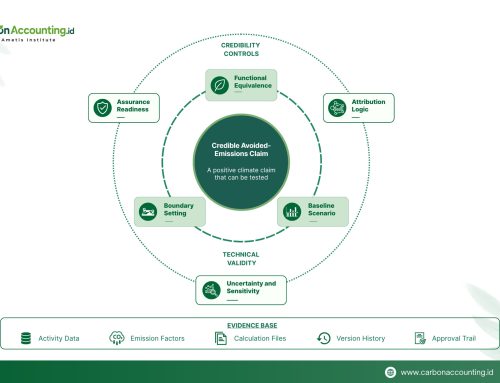
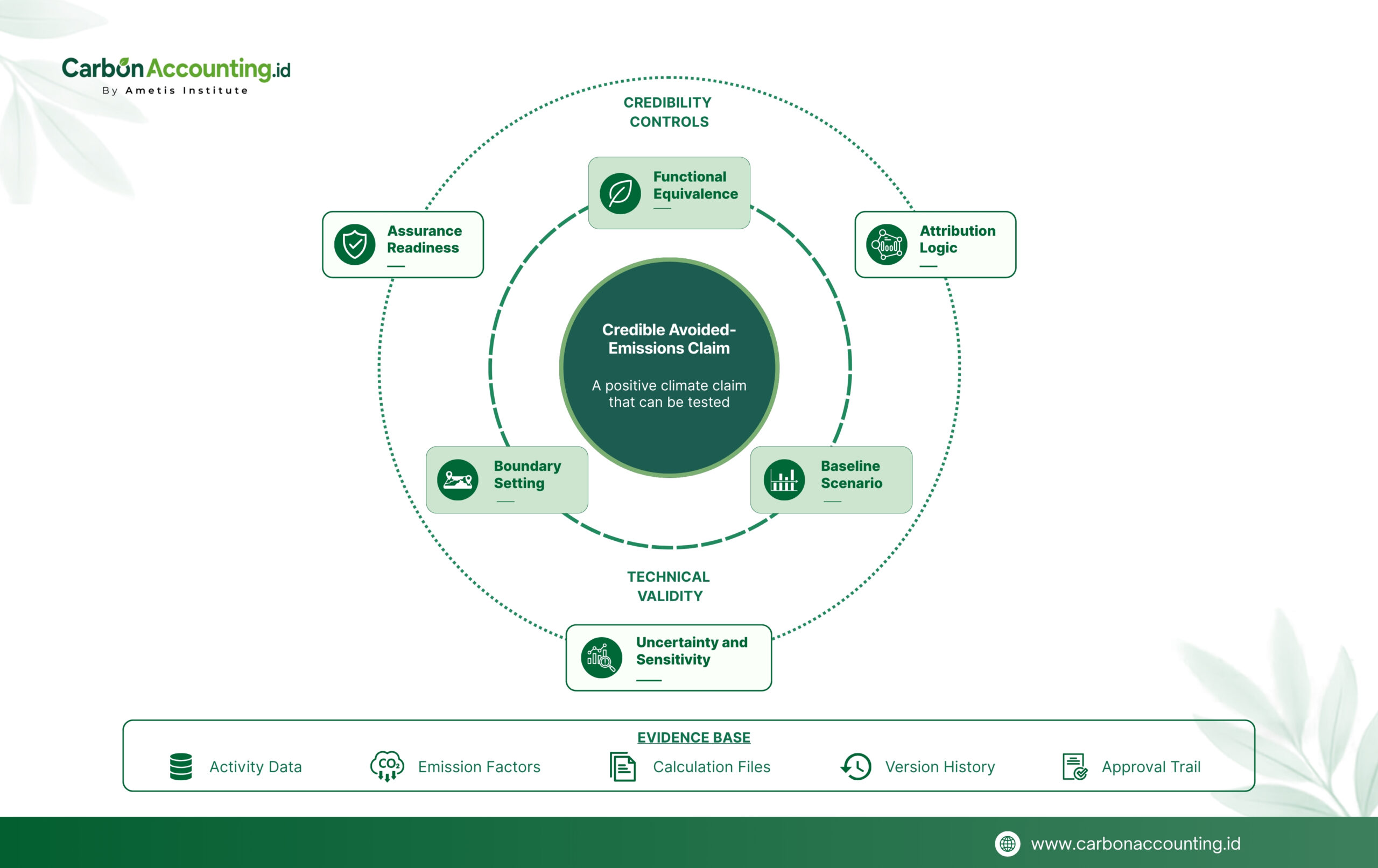
The problem with many sustainability reports is rarely the polish of the language. It is the fragile trail behind the numbers. A single disclosed figure may depend on bills, meters, fuel logs, supplier responses, logistics data, engineering assumptions, emission factors, spatial files, and life-cycle estimates. Some data is measured, some is estimated, some arrives late, and some is owned by people far from the reporting team.
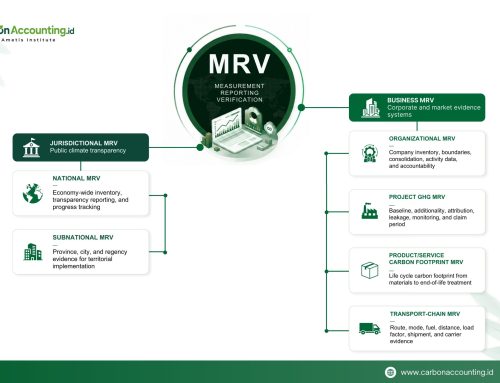
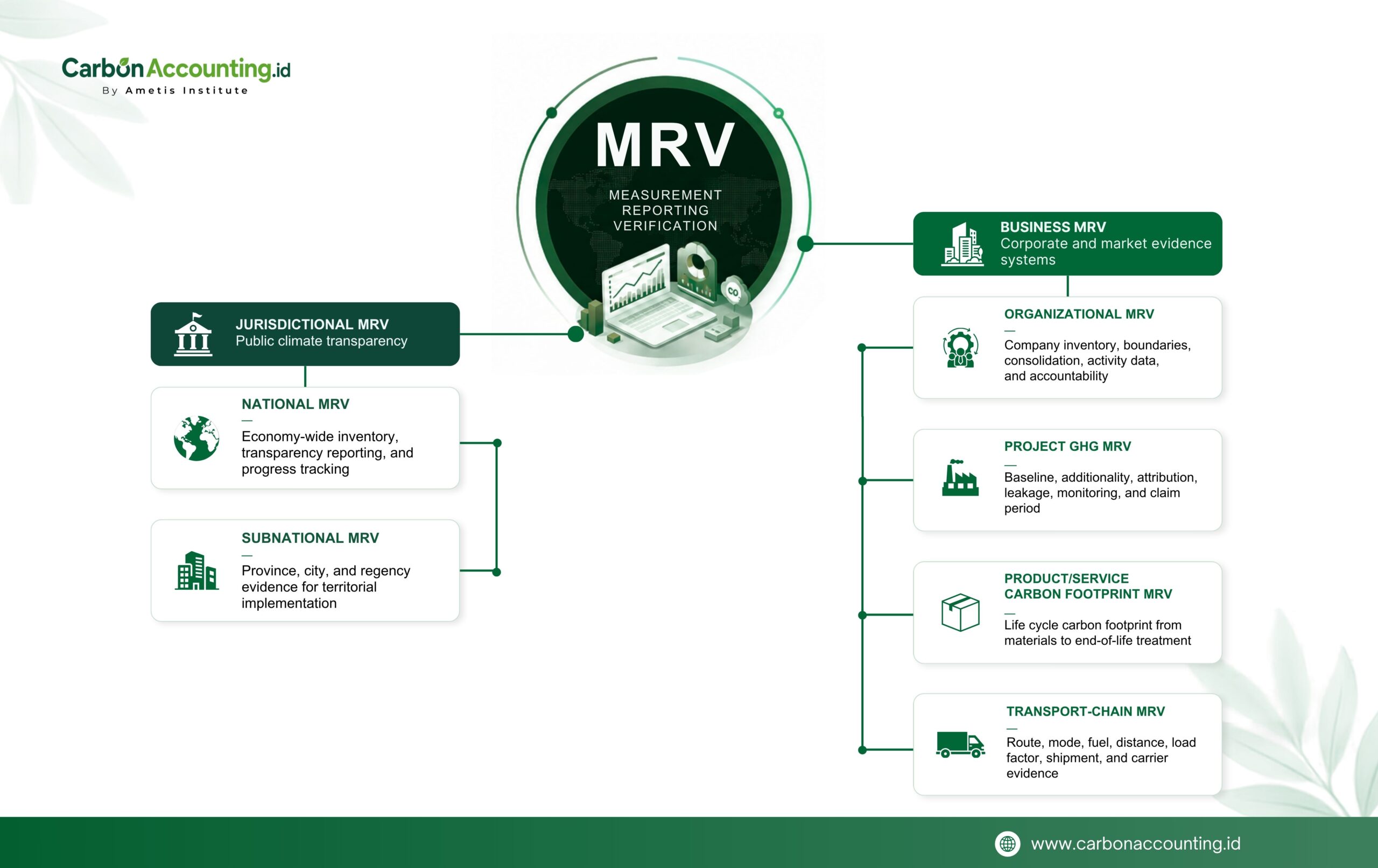
This is where sustainability reporting begins to meet MRV discipline. Measurement needs clear boundaries, reliable activity data, appropriate methods, relevant emission factors, and uncertainty treatment. Reporting explains why the number matters. Verification tests whether the trail behind it is strong enough to be questioned without falling apart.
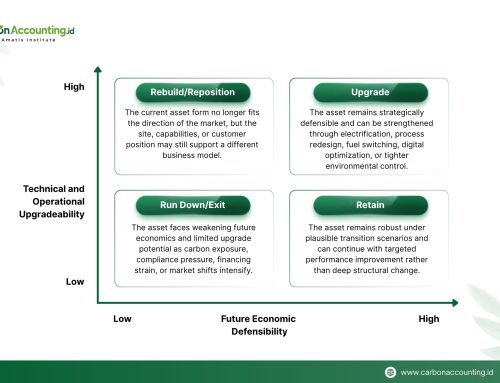
The old report tried to show that the company cared. The new report must prove that the company can measure, govern, finance, and defend its transition.