Avoided Emissions and the Discipline of Proof
Avoided Emissions and the Discipline of Proof
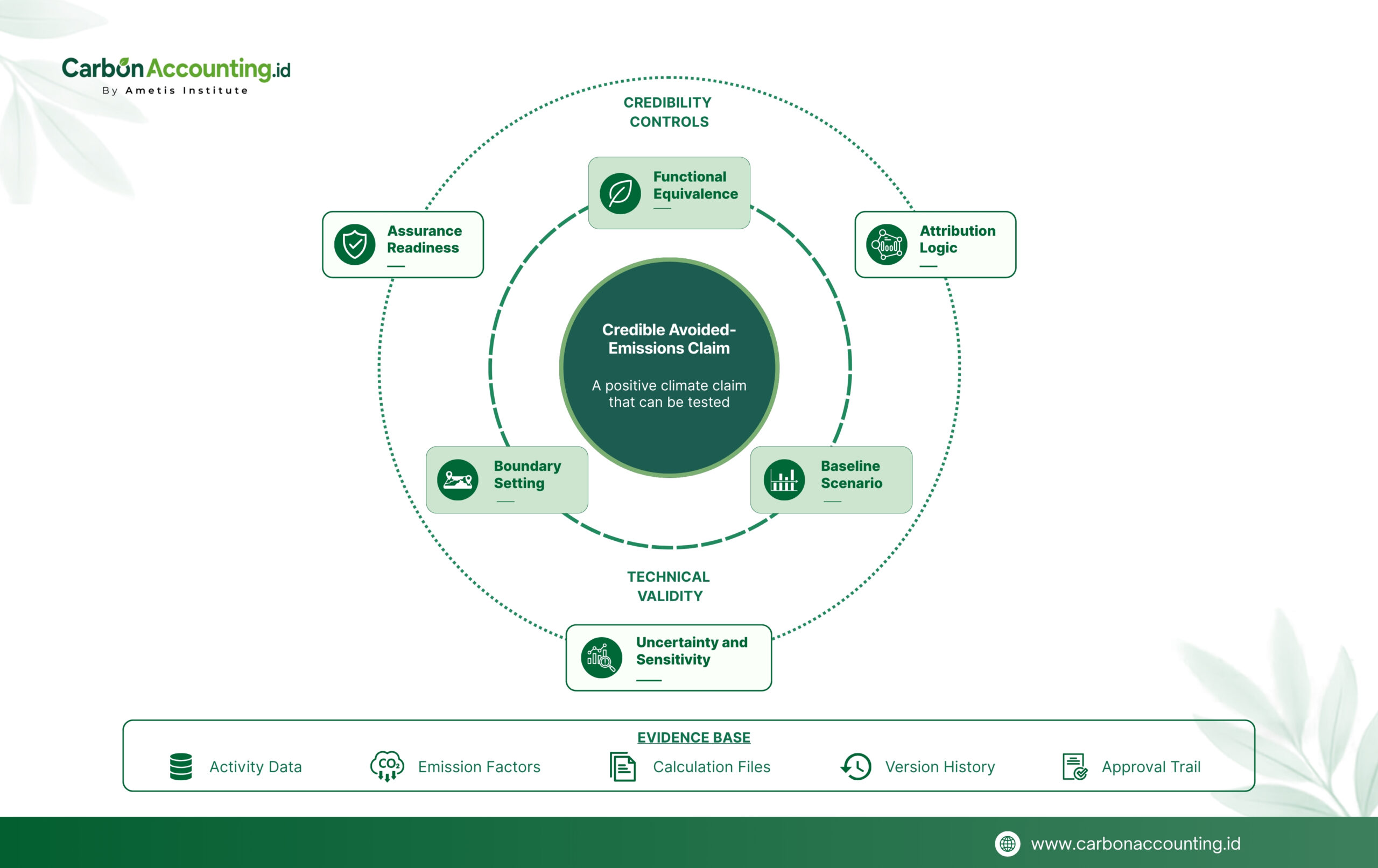
The Evidence System Behind Avoided Emissions
The most persuasive climate claim is often the one that needs the most proof. Avoided emissions can show how a product, project, technology, or investment cuts emissions beyond a company’s own boundary. But a hopeful number is not yet a credible number.
The first discipline is comparison. Avoided emissions do not reduce a company’s Scope 1, Scope 2, or Scope 3 inventory. They estimate what changes between a baseline scenario and a solution scenario. This is why they should be reported as system impact, not internal reduction.
The next discipline is functional equivalence. A baseline should not be chosen just because it makes the solution look better. The two scenarios must deliver the same service, whether the unit is product output, passenger distance, or useful energy.
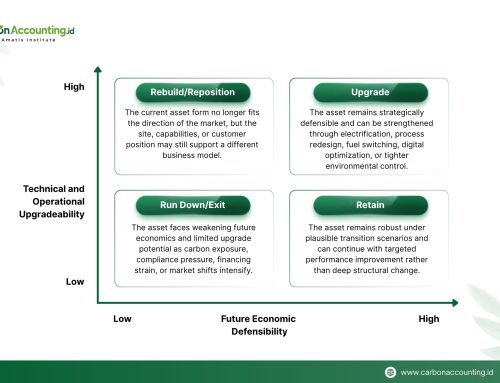
The baseline is sensitive. If it is too dirty, the impact is inflated. If it is too abstract, it loses relevance. A credible baseline must reflect market practice, regulation, location, technology options, customer behaviour, and transition pace.
Boundaries also matter. The calculation must show which life-cycle stages are counted, which sources are excluded, and whether rebound effects are material. A product may save energy in use but add emissions in manufacturing. A digital solution may cut travel while increasing data-centre demand.
Attribution is where credibility often slips. One climate solution may involve technology providers, financiers, suppliers, operators, customers, and policy support. If each claims the full benefit, double counting quickly follows.
Uncertainty should be disclosed, not buried. Avoided emissions depend on assumptions about future energy mixes, asset lifetimes, utilisation rates, substitution ratios, and emission factors. A range may be less elegant than one number, but it often tells management more.
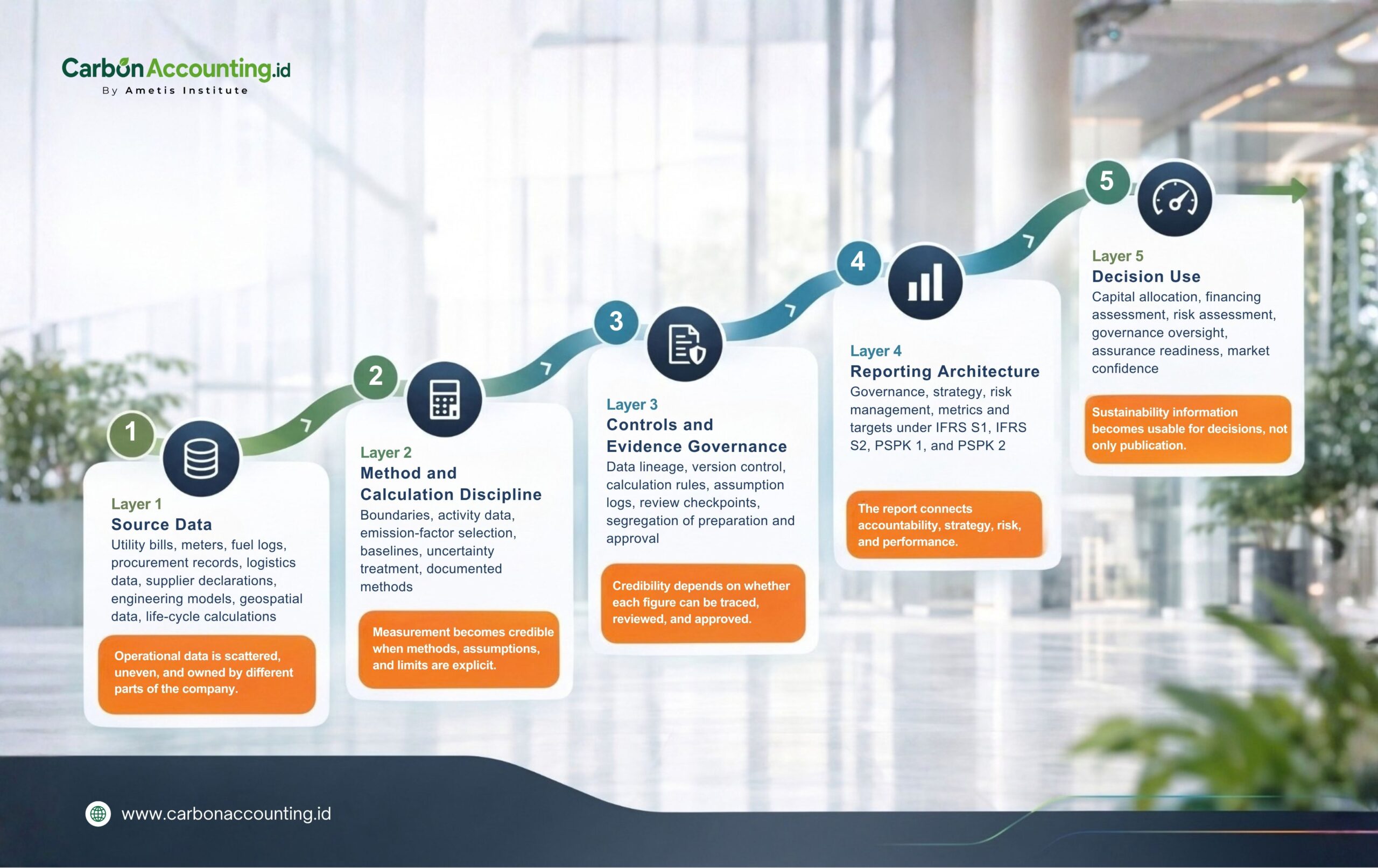
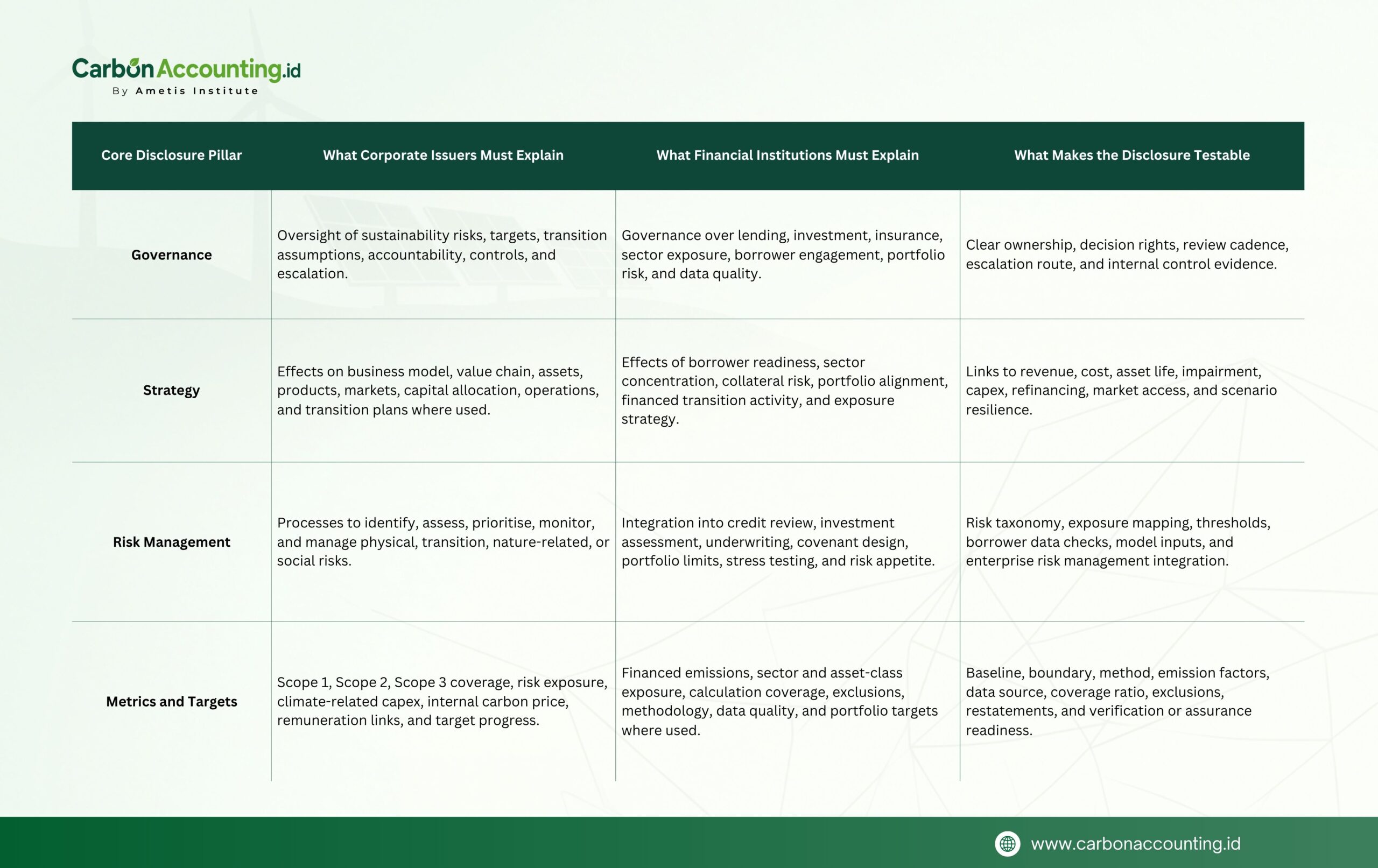
Assurance is where the claim meets discipline. ISSA 5000 signals greater scrutiny over sustainability information, including methods, data, assumptions, controls, and conclusions. Limited assurance asks whether the process makes sense. Reasonable assurance demands deeper confidence.
Avoided emissions are not greenwashing by definition. They become risky when treated as a shortcut to climate leadership. The new gold standard is no longer the most polished sustainability story, but the claim that stands when the evidence is opened.