Scope 3 as an Evidence System, Not Just an Emissions Number
Scope 3 as an Evidence System, Not Just an Emissions Number
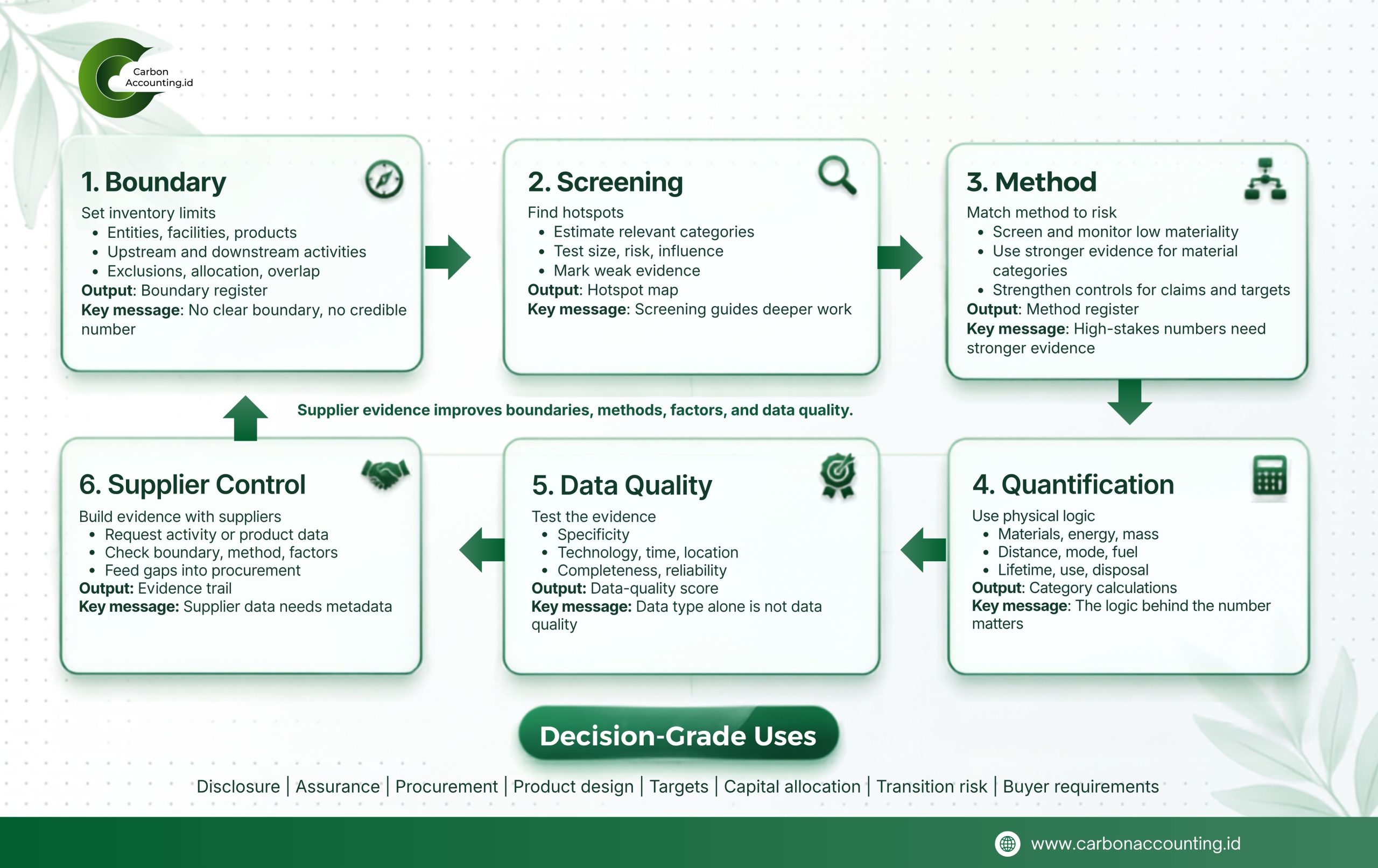
Scope 3 As an Evidence System
The hardest emissions to count are often the ones that reveal the most about a company. Scope 3 sits beyond the company gate. Its data lives with suppliers, logistics providers, product users, financiers, waste handlers, and subcontractors. This is why the numbers can look precise but remain fragile. The danger is turning weak assumptions into confident disclosure.
A serious process begins with category logic. The GHG Protocol divides value-chain emissions into 15 categories, but they should not be filled like a form. Each category must be tested against the business model, product design, geography, customer use, and reduction leverage.
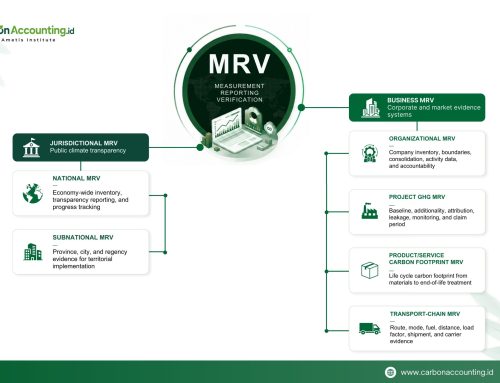
The first technical question is boundary. Which entities, products, contracts, suppliers, and downstream activities enter the inventory? How are joint operations, outsourced logistics, leased assets, and investments treated? A weak boundary can hide emissions before calculation begins.
Screening matters only when treated as screening. Spend data, sector averages, procurement codes, volume, mass, and distance can estimate the order of magnitude. But this is a hotspot map, not a final inventory. It tells management where stronger evidence is needed.
Evidence-based quantification goes deeper. Purchased goods may require composition, production route, process energy, and allocation method. Transport may require weight, distance, mode, load factor, and fuel type. Use-phase emissions may depend on lifetime, efficiency, grid factor, and user behaviour.
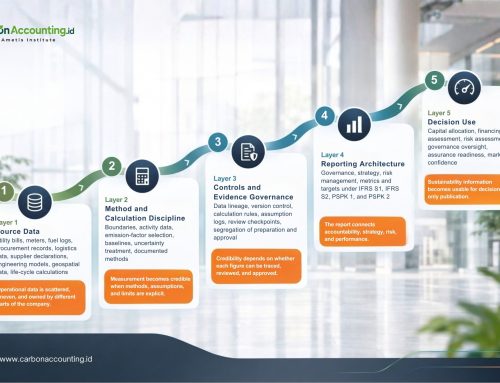
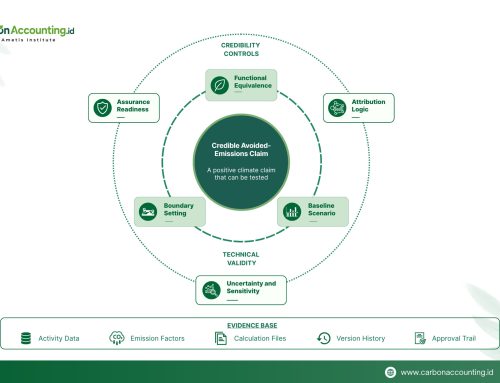
Data quality needs discipline. Primary data is useful when it represents the real product, supplier, route, or process, and when its method is clear. Secondary data remains necessary, but it must be ranked by specificity. The number is only as credible as the logic behind it.
Supplier engagement becomes part of internal control. Asking suppliers for “their emissions” is too vague. Companies need the boundary, method, energy mix, emission factors, allocation rule, exclusions, uncertainty, period, and assurance status behind the number.
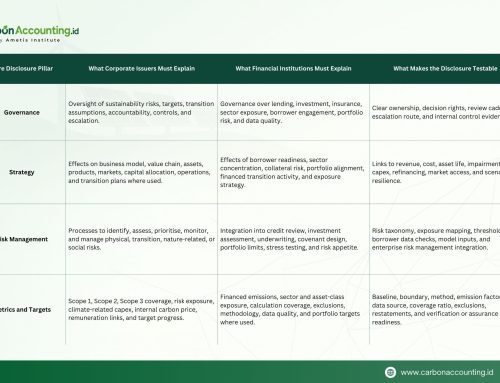
The deeper purpose is strategic. Scope 3 shows exposure to carbon prices, buyer demands, product standards, logistics constraints, technology shifts, and supply risk. It also shows where decarbonisation leverage sits. When Scope 3 becomes evidence, climate accounting begins to speak the language of strategy.