From International Climate Law to Domestic Sustainability Norms
From International Climate Law to Domestic Sustainability Norms

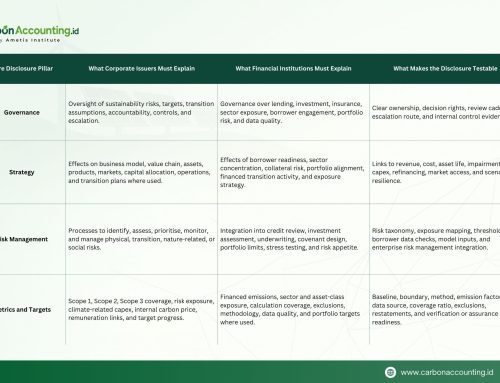
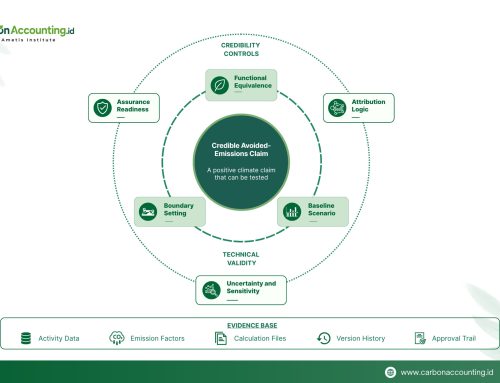
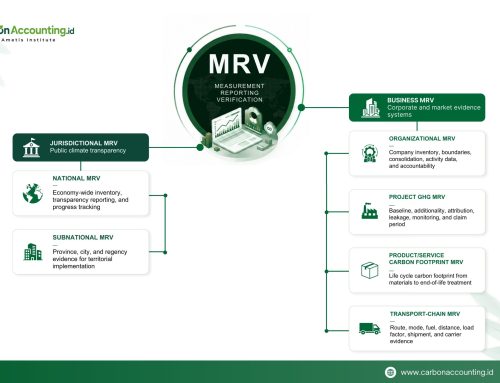
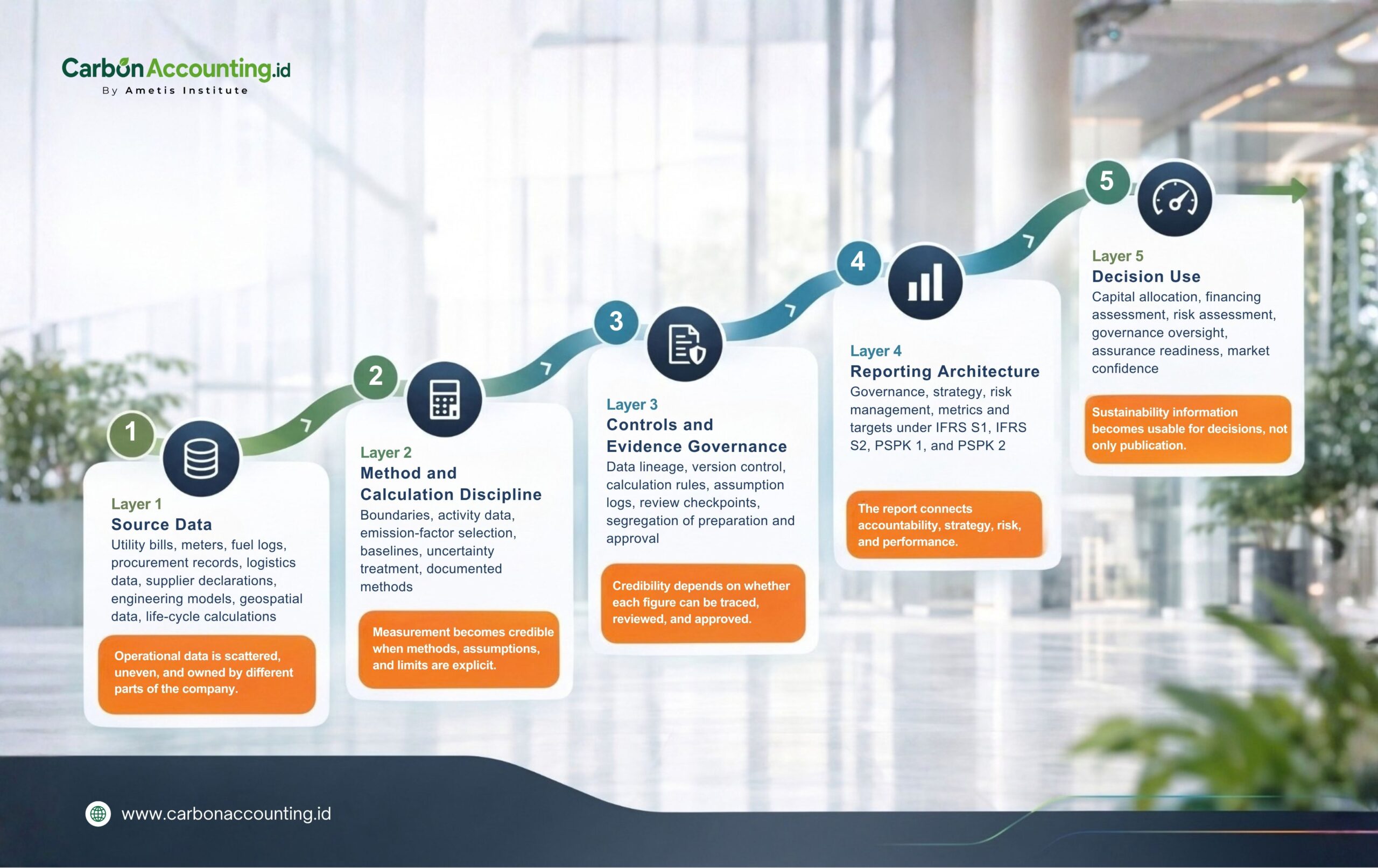
Indonesian entities face a dual mandate: national compliance and evolving international law.
Sustainability arrives not first as data, but as direction. Not first as measurement, but as mandate. Beneath the metrics lies a quieter force: law, policy, and the public duties that shape an era.
At the corporate level, that is where implementation should begin. Many companies still treat sustainability as technology, efficiency, or reporting. Yet before it becomes a programme, it first appears as legal norm, compliance obligation, and policy direction.
To understand climate governance in Indonesia, one must look beyond national borders. The legal foundations were laid not only in Jakarta, but also through the country’s acceptance of the UNFCCC, the Kyoto Protocol, and the Paris Agreement into its domestic legal order. What began as international commitment gradually became part of the architecture of national climate policy.
For business, that foundation matters. The architecture behind nationally determined contributions shapes national targets, sector priorities, reporting expectations, and investment direction. What begins as an international commitment can become a domestic compliance signal.
The figure shows Indonesian companies between two streams of compliance: domestic rules on environment, climate, carbon pricing, finance, reporting, and emissions accounting, and external pressures from climate agreements, international reporting frameworks, border carbon measures, and global emissions methodologies.
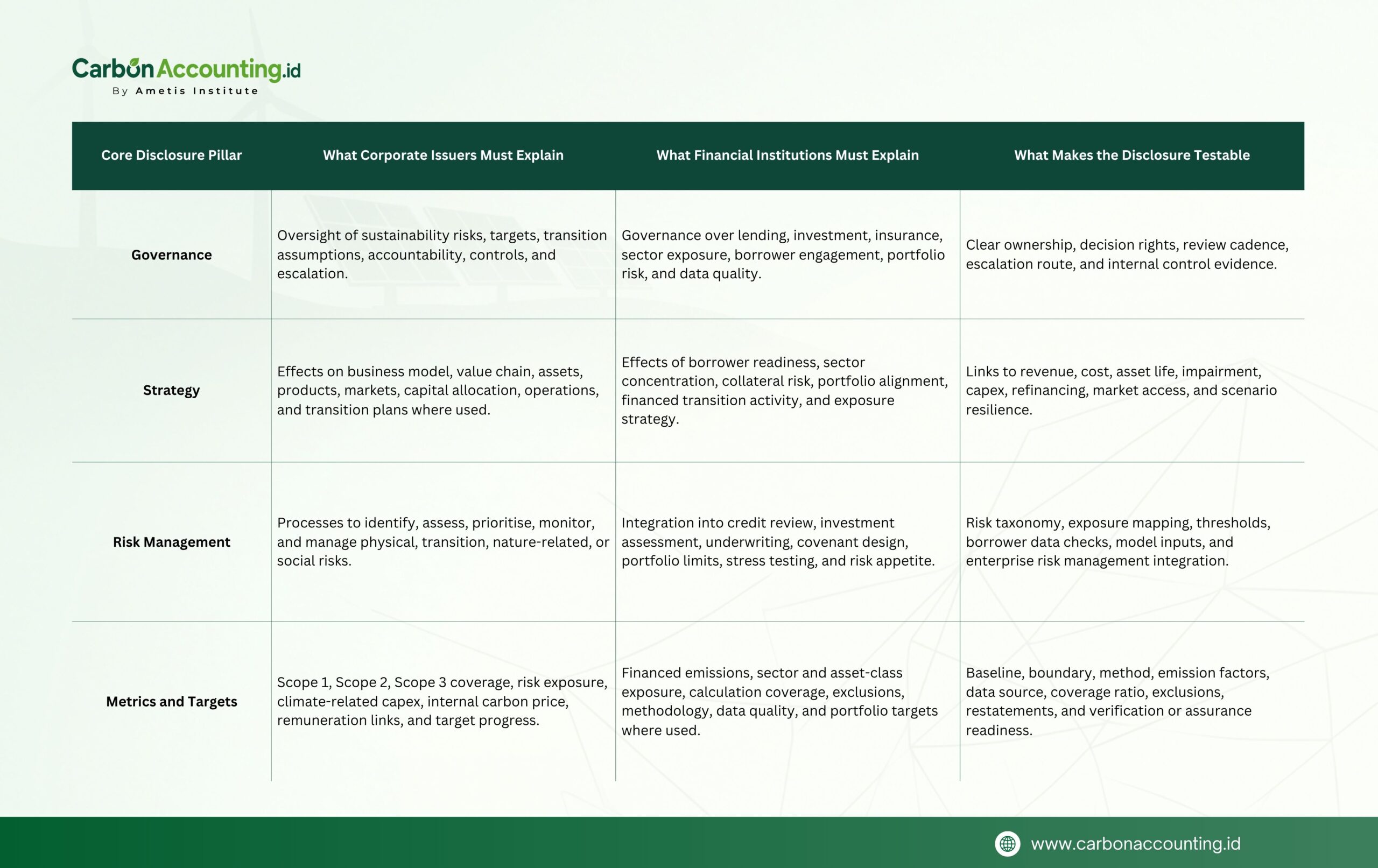
These developments are no longer theoretical. Reporting expectations are increasingly shaped by global standards, while climate finance is beginning to influence which projects receive cheaper capital and transition support. Since the EU Carbon Border Adjustment Mechanism entered its definitive regime on 1 January 2026, emissions data and verification have become far more commercially relevant.
That is why companies need more than technical capacity. They need legal and strategic judgment in sustainability, the ability to read regulatory direction, understand exposure, and respond before policy shifts begin to affect contracts, pricing, and market access.
This field is moving fast. New cross border rules will test exporters’ disclosures, verification capacity, and the reliability of emissions baselines. The impact will reach procurement, pricing, contract structures, and market access. Companies that wait for the law to become obvious may find that the market has already made its judgment.