Nature-Related Opportunity Taxonomy: Where the Next Business Advantage Is Emerging
Nature-Related Opportunity Taxonomy: Where the Next Business Advantage Is Emerging
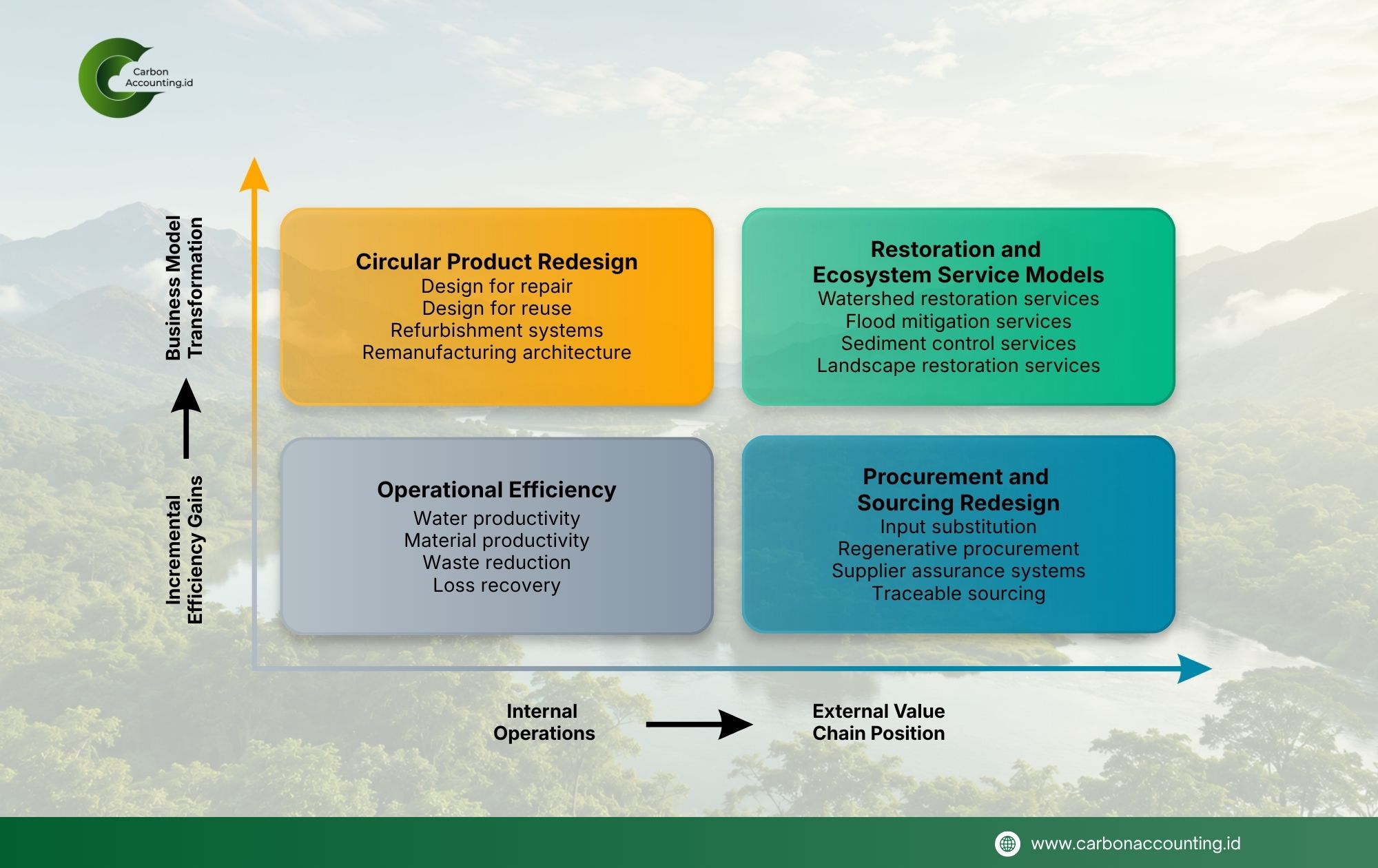
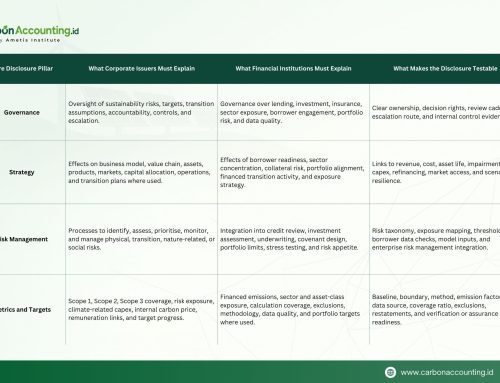
Nature-Related Opportunity Taxonomy Matrix
Nature does not only send the bill. In many industries, it also hints at where the next advantage will come from. Once risk, valuation, scenario analysis, and traceability enter the conversation, the question changes.
The issue is no longer only how to avoid damage. It is also how to build a business that performs better because it understands water, land, materials, and ecosystem functions more clearly. This is where the discussion moves from diagnosis to design.
TNFD sharpens that shift. It places opportunity alongside dependencies, impacts, and risks, then asks companies to explain how these shape strategy, value chains, and financial planning. Nature is no longer just a cost to manage. It is becoming part of competitive position.
Some of the clearest gains are operational. When managers know where production depends most on water, biomass, soil function, or ecological buffering, they can cut waste, reduce process loss, and improve material and water productivity. Better environmental understanding often leads to better industrial discipline.
The same logic applies to sourcing. Once firms can see which inputs place the greatest pressure on land, water, or habitat, procurement becomes more selective. Less nature-intensive materials and more regenerative sourcing can strengthen continuity, not just reputation.
Circular design opens another path. Designing products for repair, reuse, refurbishment, remanufacture, and recovery helps companies depend less on continuous virgin extraction. Better product information and stronger traceability make those circular pathways easier to organize in practice, not only to describe in sustainability language.
There is also opportunity in restoration and watershed services. In some places, restoring ecological function can protect business activity more effectively than engineered control alone. Better water regulation, lower sediment loads, and stronger landscape resilience can become part of asset protection.
Markets are beginning to notice. Companies with stronger disclosure, clearer transition planning, and more credible supply and product data are often easier to trust in procurement and financing. The reward is not only reputational. It is strategic.
A nature-positive business model is not an ornament added after growth. It emerges when a company learns that efficiency, resilience, and market trust depend on how well it manages the natural systems behind its operations. In the years ahead, durable value may belong to firms that learn to build within nature’s limits.