From Climate Disclosure to Climate Decision
From Climate Disclosure to Climate Decision
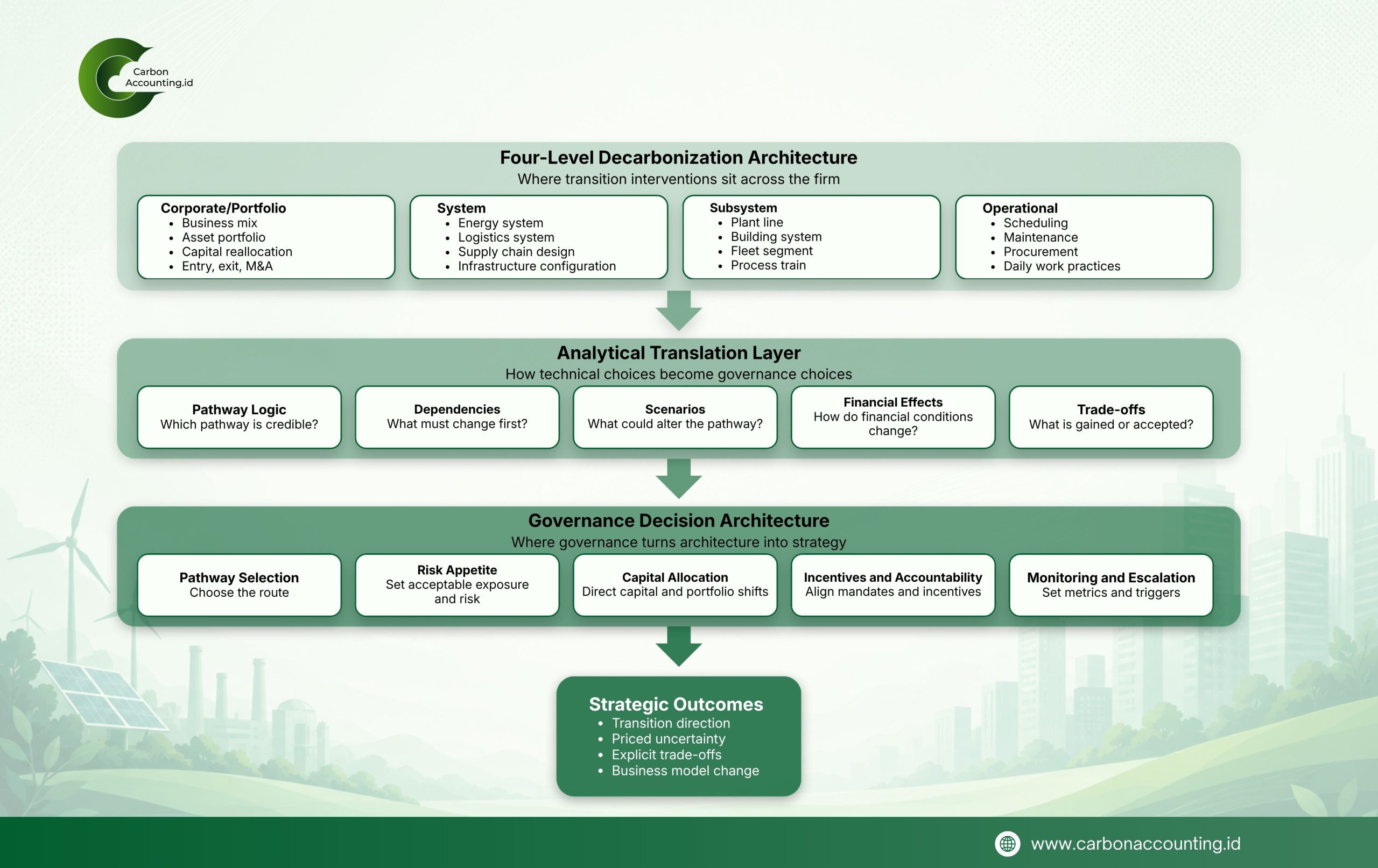
From Decarbonization Architecture to Governance Decision Architecture
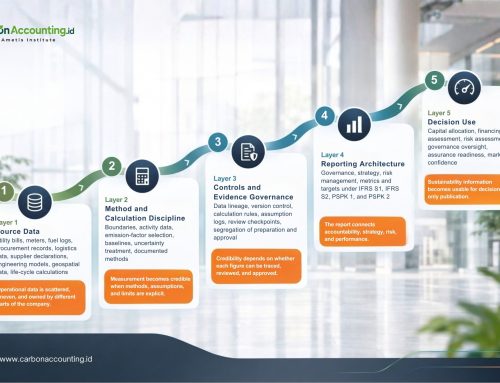
A company usually discovers the real weight of climate when it stops looking like disclosure and starts shaping decisions. By that point, the issue is no longer sitting quietly in a report. It is already moving through capex, operations, procurement, and commercial direction.
That is why governance can no longer be treated as a forum for receiving updates. Its task is not only to review what management has prepared. Its task is to decide which transition path the firm will take and which trade-offs it is willing to accept.
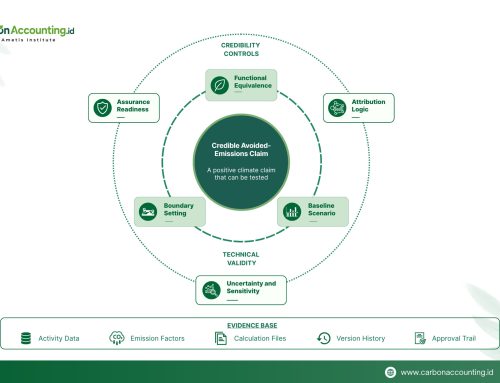
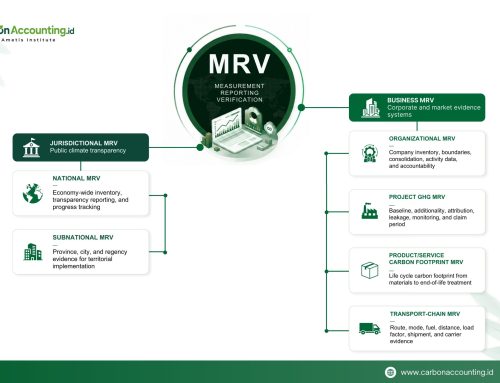
This is where strategy begins. A decarbonization architecture may show where change is possible across assets, systems, products, and value chains, but governance determines whether those options become a real business direction. Without that layer of choice, the architecture remains technical, not strategic.
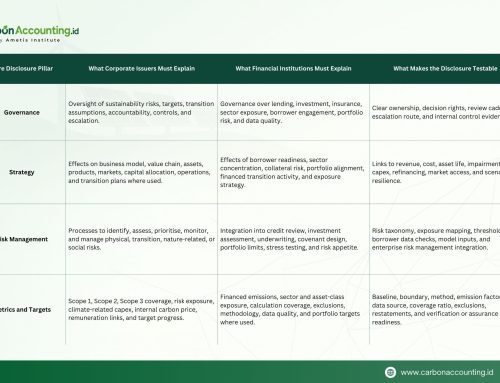
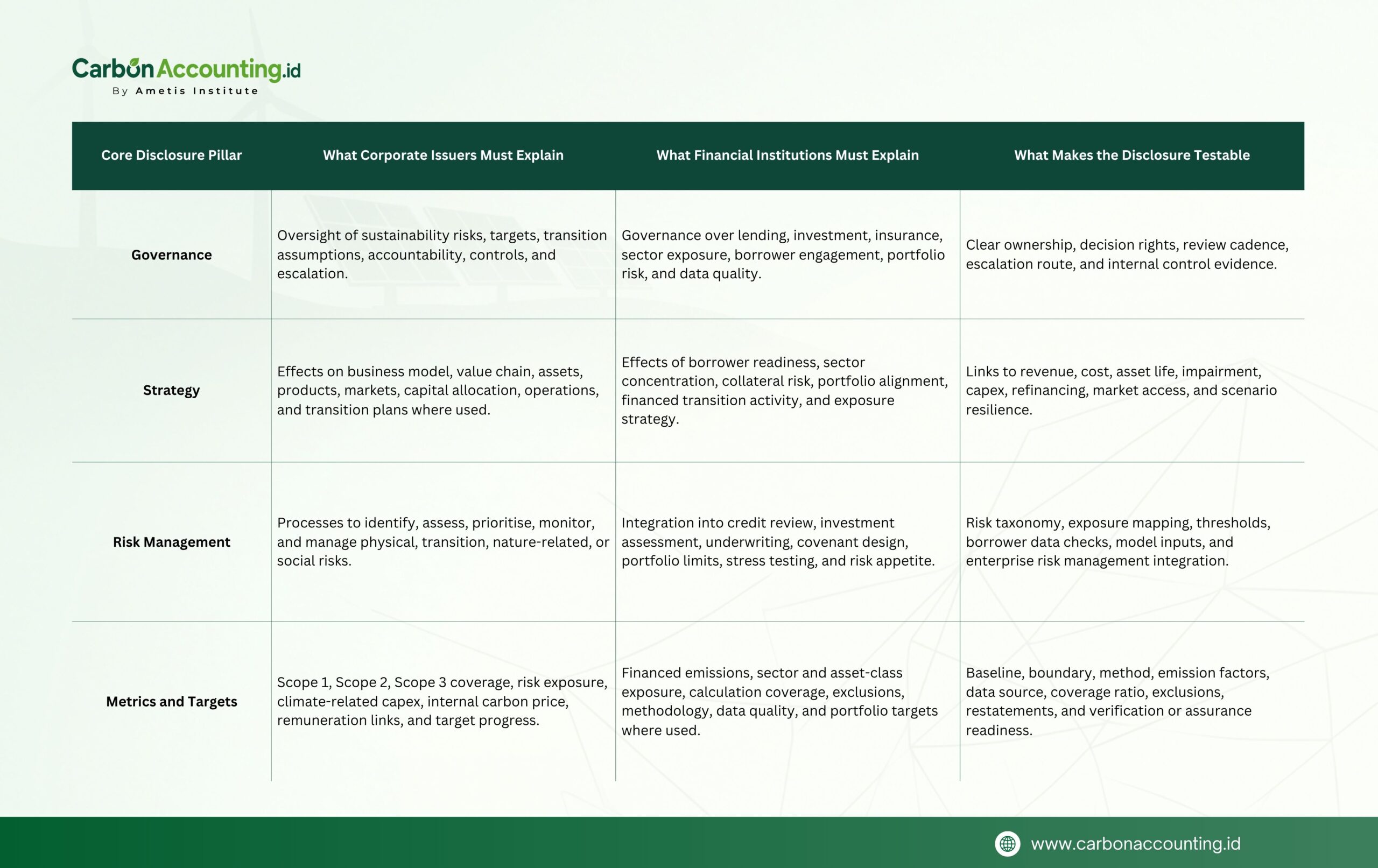
IFRS S2 makes this harder to avoid. It asks companies to explain who is responsible at board or committee level, how climate duties are embedded in formal mandates, whether the right expertise exists, how often the board is briefed, and how climate considerations influence strategy, major transactions, and risk management.
That matters because governance is not only about who signs the report. It is also about risk appetite. Boards are expected to judge how much exposure the company can carry, whether from carbon-intensive assets, policy tightening, supply disruption, physical climate risk, or technological change.
A credible board process therefore needs more than a quarterly sustainability presentation. It needs recurring information flows, comparable metrics, scenario inputs, and clear escalation rules. Climate must enter the same discipline as other major risks that already shape finance and strategy.
This is also why governance now looks less like passive oversight and more like decision architecture. Boards need to test the assumptions behind transition plans, question dependencies, review whether targets are matched by operating plans, and check whether management incentives support the stated direction.
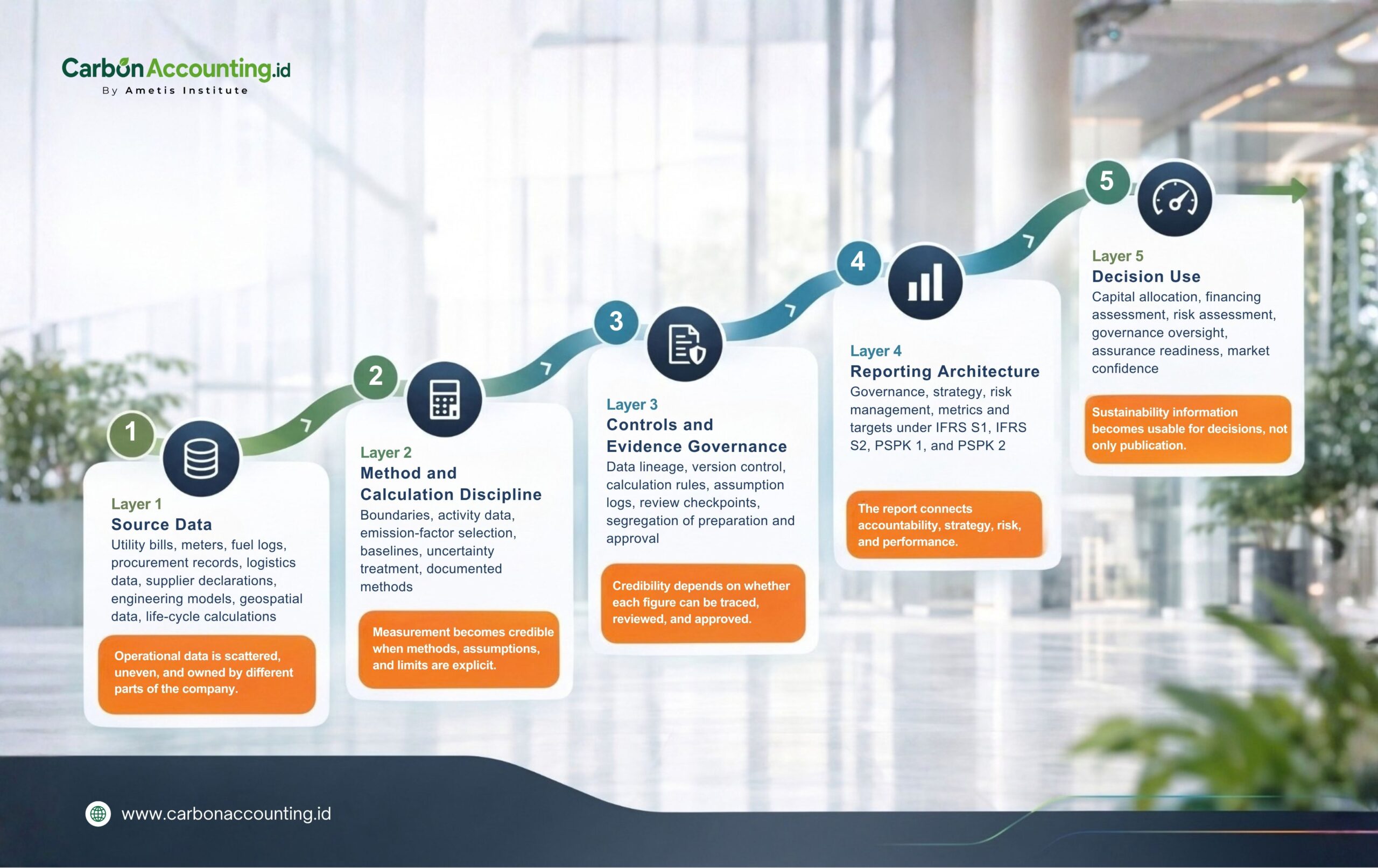
In Indonesia, the pressure will only grow. PSPK 1 and PSPK 2, aligned with IFRS S1 and IFRS S2 and effective from 1 January 2027, will push companies to show not only what they disclose, but whether governance can carry climate information into choices that affect cash flow, financing access, and cost of capital.
In the end, climate governance is not proven by the elegance of a report. It is proven when the board becomes the place where uncertainty is priced, direction is chosen, and the future of the business is decided.