Biodiversity Is Entering the Decision Core of the Firm
Biodiversity Is Entering the Decision Core of the Firm
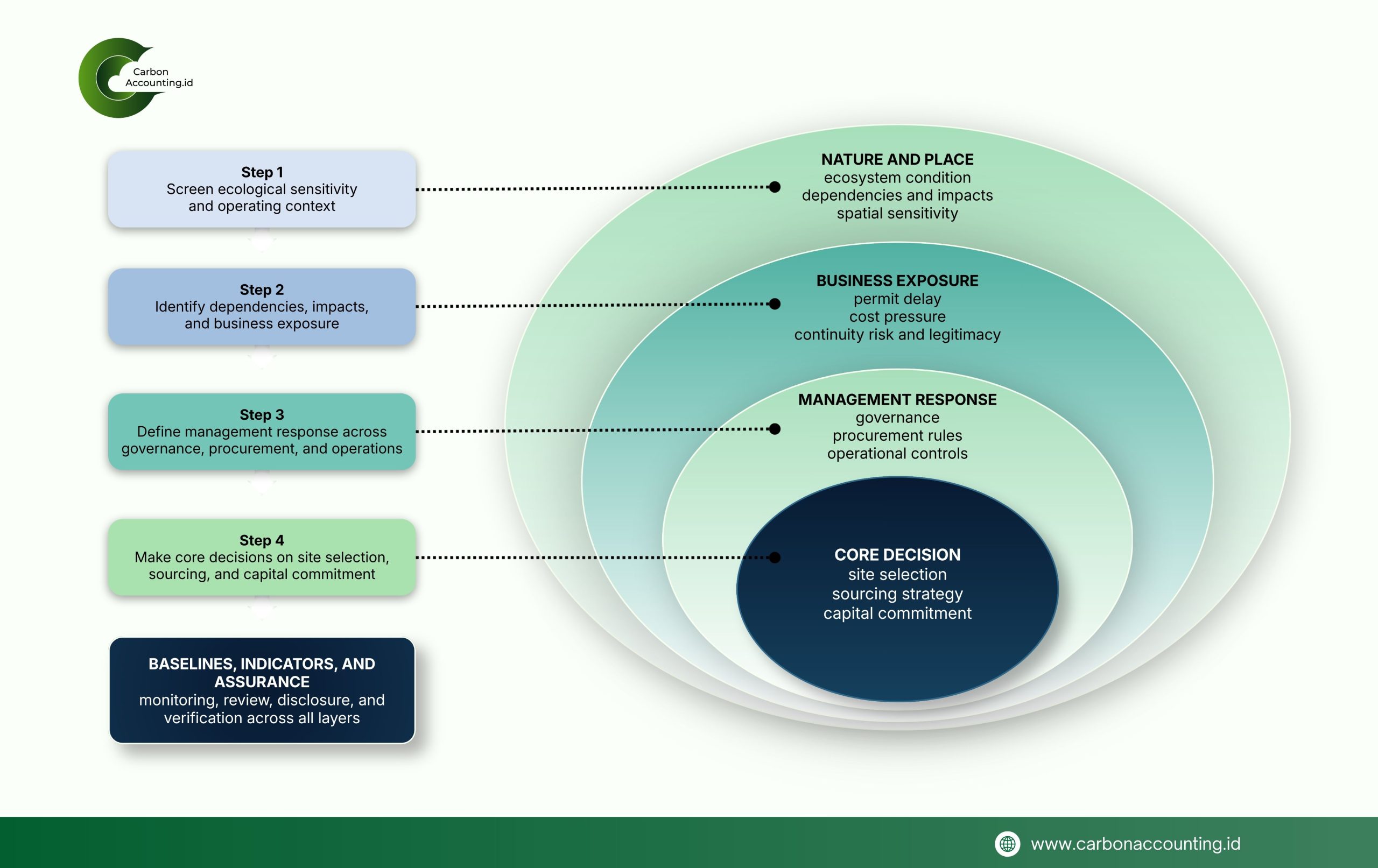
From Nature and Place to Core Decision
A company usually discovers the true weight of biodiversity when nature begins to set the terms of business. What once looked like a line in a report starts to decide where a firm may build, what it may source, and how carefully it must operate.
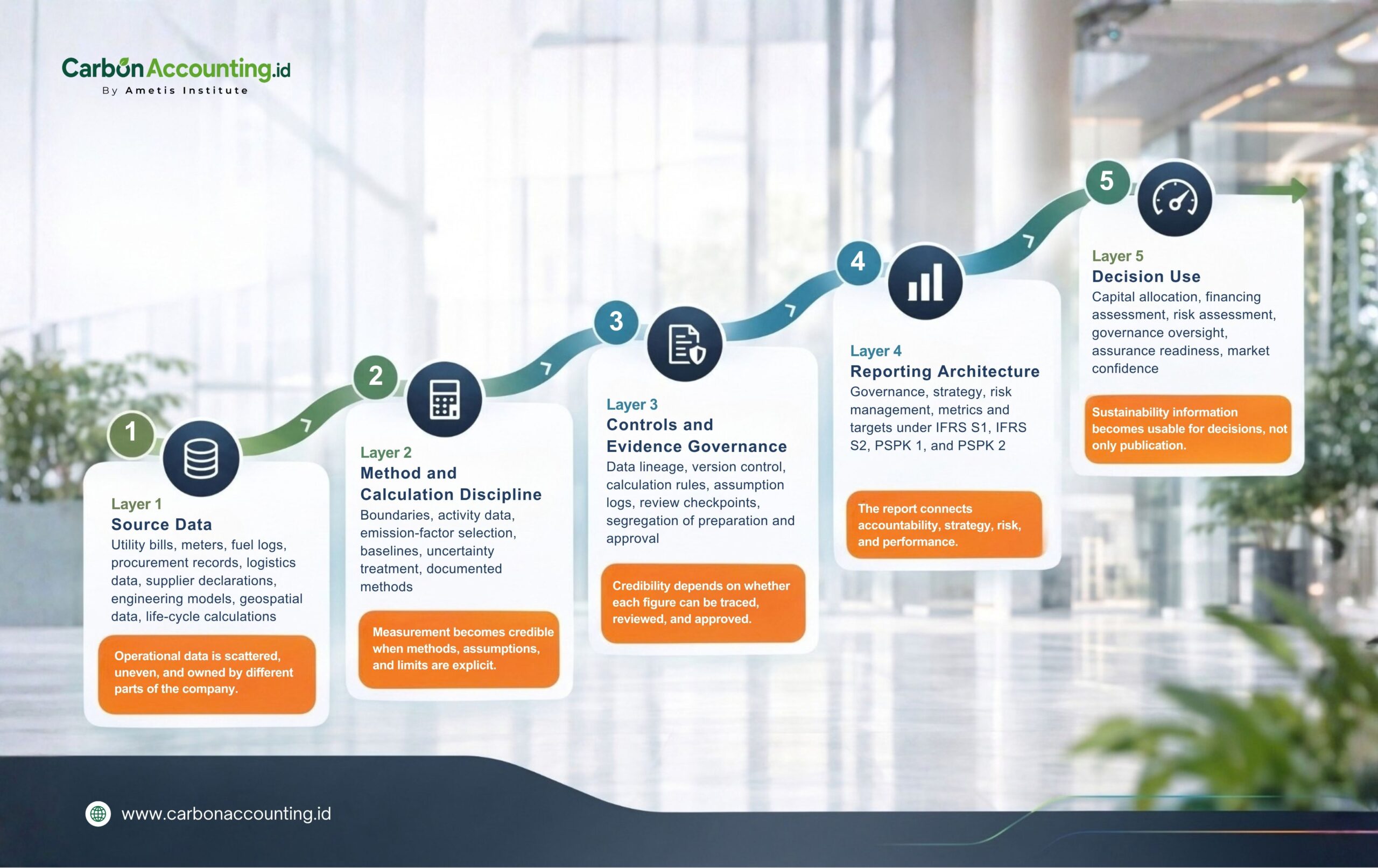
That is why biodiversity can no longer sit at the edge of strategy. It becomes material when it enters site selection, land use planning, procurement rules, maintenance routines, rehabilitation duties, and the terms on which capital is committed.
The global direction is moving the same way. Under the Kunming-Montreal Global Biodiversity Framework, biodiversity is no longer treated as a matter of awareness alone. It is increasingly expected to appear inside planning, policy, and the flow of finance.
That expectation also reaches the firm more directly. Target 15 moves the issue from broad commitment into company practice. It expects firms to examine and disclose biodiversity related dependencies, impacts, and risks across operations and value chains. That may read like a disclosure task, but in reality, it reaches deep into how decisions are made.
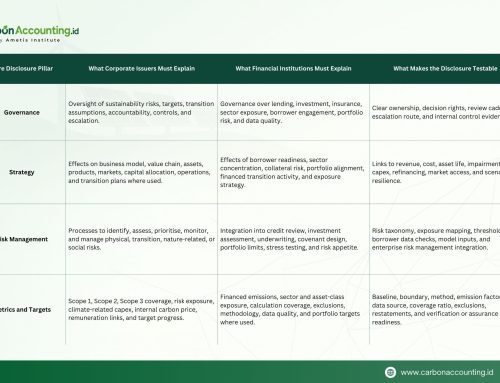
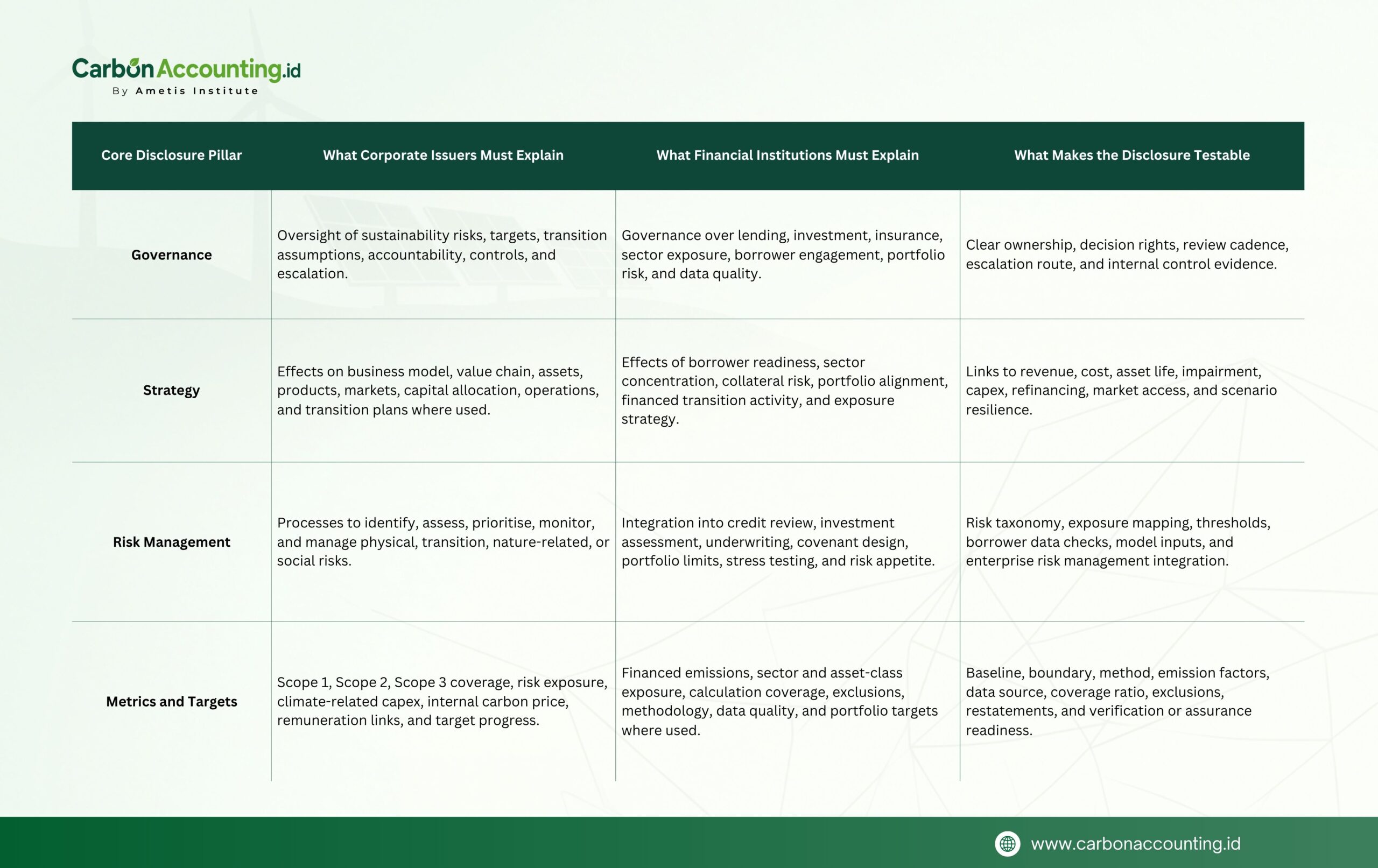
TNFD helps make that shift more practical. By organizing nature related issues around governance, strategy, risk and impact management, and metrics and targets, it brings biodiversity closer to day-to-day management. ISO 17298 strengthens that move by asking organizations to connect biodiversity with actual strategic and operational choices.
In practice, the first test is often place. A project near a river system, wetland, coastal buffer, or other sensitive habitat cannot be managed with standard assumptions. It requires early screening, pressure identification, and design responses before habitat conversion, fragmentation, pollution, invasive species, or repeated disturbance become embedded in the asset itself.
The same seriousness is needed in supply chains. A company may control its own site and still remain exposed through suppliers linked to land use change, weak traceability, or poor restoration practice. When biodiversity enters procurement criteria, supplier review, and contract expectations, it becomes part of everyday operating discipline.
Biodiversity becomes manageable only when responsibility becomes clear. Boards and senior management may not need to master ecology, but they do need accountability, thresholds, baselines, escalation paths, and targets that can be measured.
The real test is simple. Nature is no longer asking for admiration. It is asking for discipline.