From Compliance to Strategy: Rethinking Climate Risk
From Compliance to Strategy: Rethinking Climate Risk
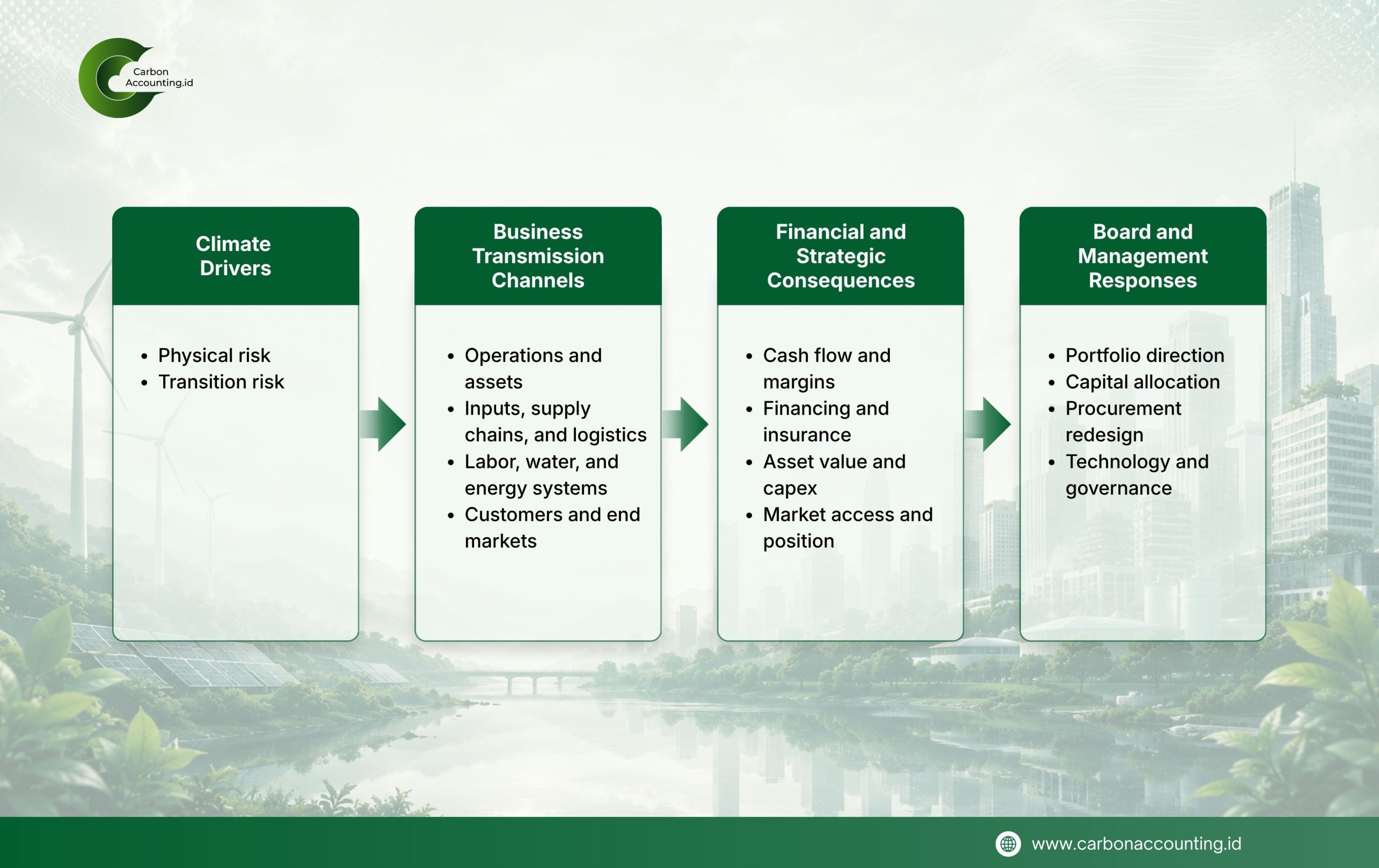
When Climate Risk Becomes Strategy Risk
A business usually discovers the true weight of climate risk when it stops looking like weather and starts looking like strategy. That is the real shift now underway.
For many years, climate was kept at the edge of the firm. It sat inside compliance, CSR, or technical environmental functions. But once it begins to affect cash flow, financing terms, asset value, demand, and market access, it no longer belongs at the margin. It moves into the center of corporate direction.
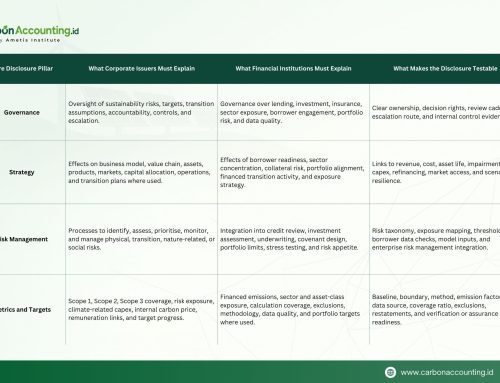
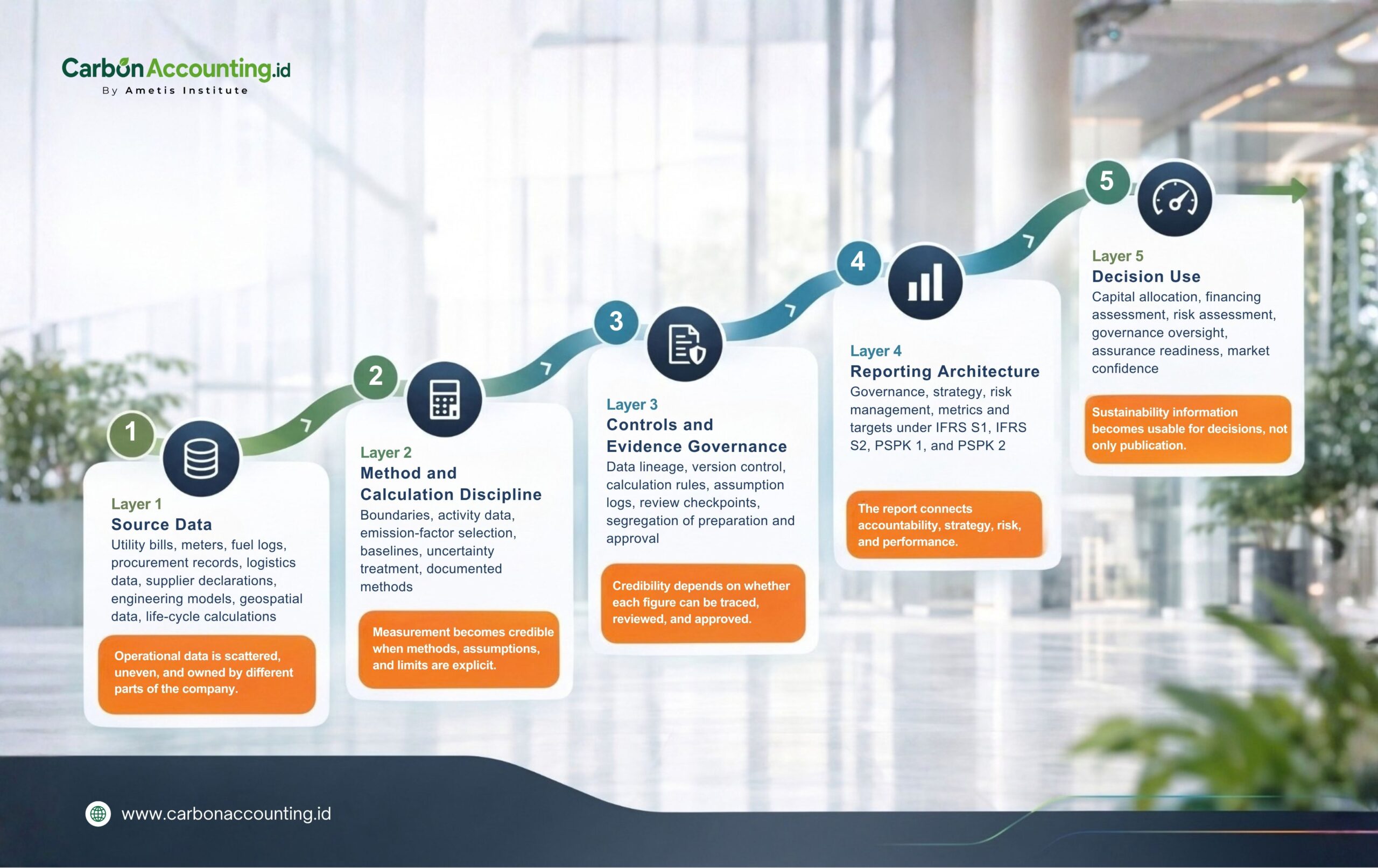
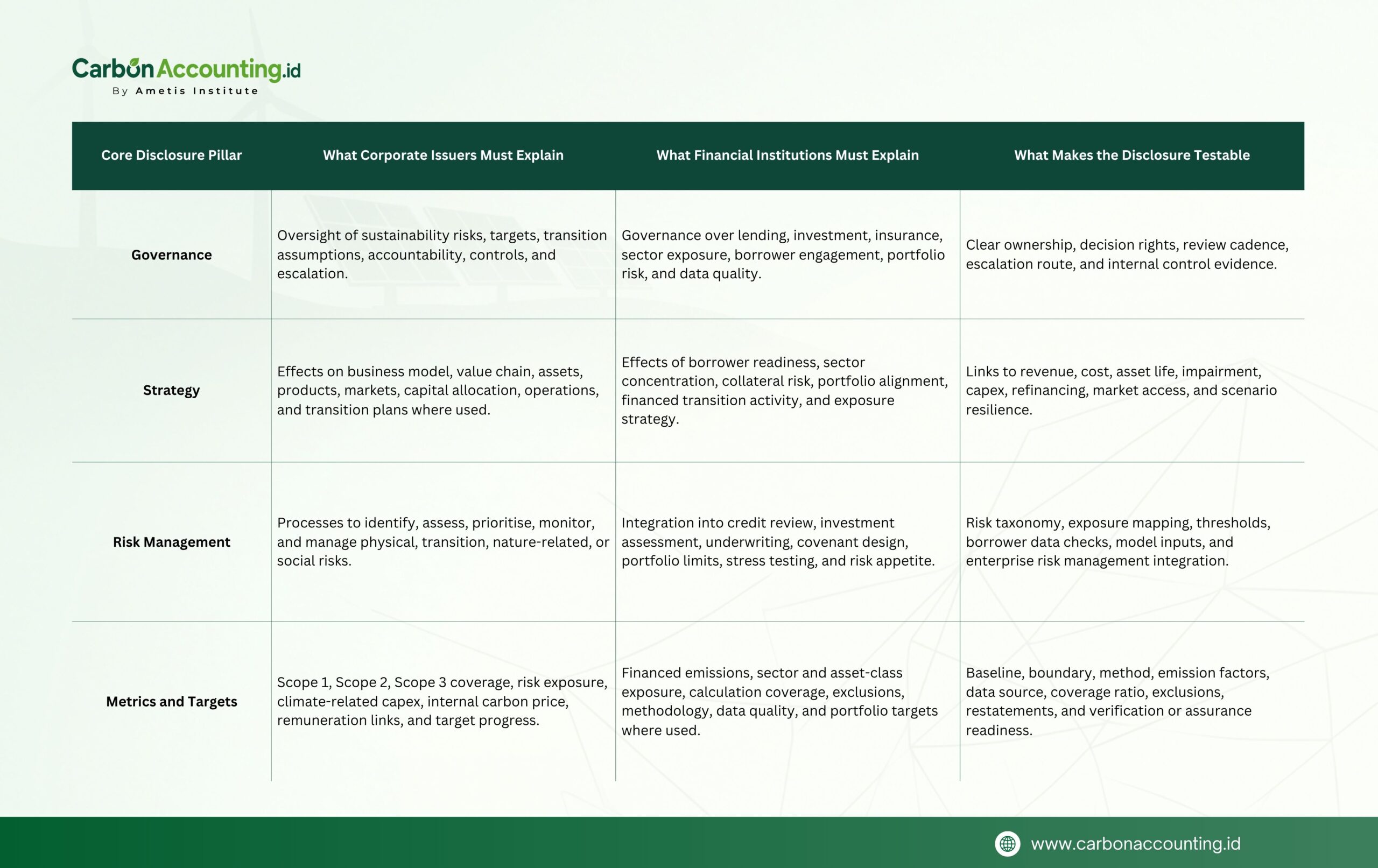
This is also where the reporting landscape matters. IFRS S2 does not treat climate as a symbolic disclosure exercise. It links climate related risks and opportunities to governance, strategy, risk management, access to finance, and cost of capital. The message is clear. Markets are being asked to read climate through business prospects.
Research now leaves little room for comfort. Climate losses are already visible across sectors, and the risks rise with further warming. The IPCC also warns that different pressures can intersect and spread, so the business effect is rarely simple or contained.
That matters because firms do not face physical risk alone. They also face transition risk. Changes in policy, technology, markets, and public expectations can all alter the ground on which a business operates. NGFS scenarios were built to help financial and economic actors think through these different futures, not as prediction, but as disciplined preparation.
Climate risk cannot be judged only from what happens inside the plant. The real exposure sits across the value chain. Flood, heat, or drought may be the first blow, but the larger loss often emerges through supply delays, logistics disruption, concentrated sourcing, insurance stress, or weaker demand. The real strategic question is not only how much a company emits. It is whether the business can still secure supply, keep operating, attract finance, and sell competitively as conditions change.
Once seen this way, scenario analysis stops being a reporting ritual. It becomes a management tool. It tests whether the business still works under tighter carbon rules, higher heat, volatile energy costs, or faster market change. A strategy that only works in a stable world is not much of a strategy.
This is also why firms that keep climate in a separate risk register often move too late. They see compliance first, while investors see resilience, capital discipline, and transition credibility. By the time management notices the shift, the market may already have repriced the business.
The conclusion is simple, but not comfortable. Once climate risk becomes strategy risk, scattered initiatives are no longer enough. The task is to redesign the business from within, because the companies that treat climate as peripheral may soon find that the market does not.