From Compliance to Core Strategy: Transjakarta’s ESG Journey with Dual Materiality
From Compliance to Core Strategy: Transjakarta’s ESG Journey with Dual Materiality
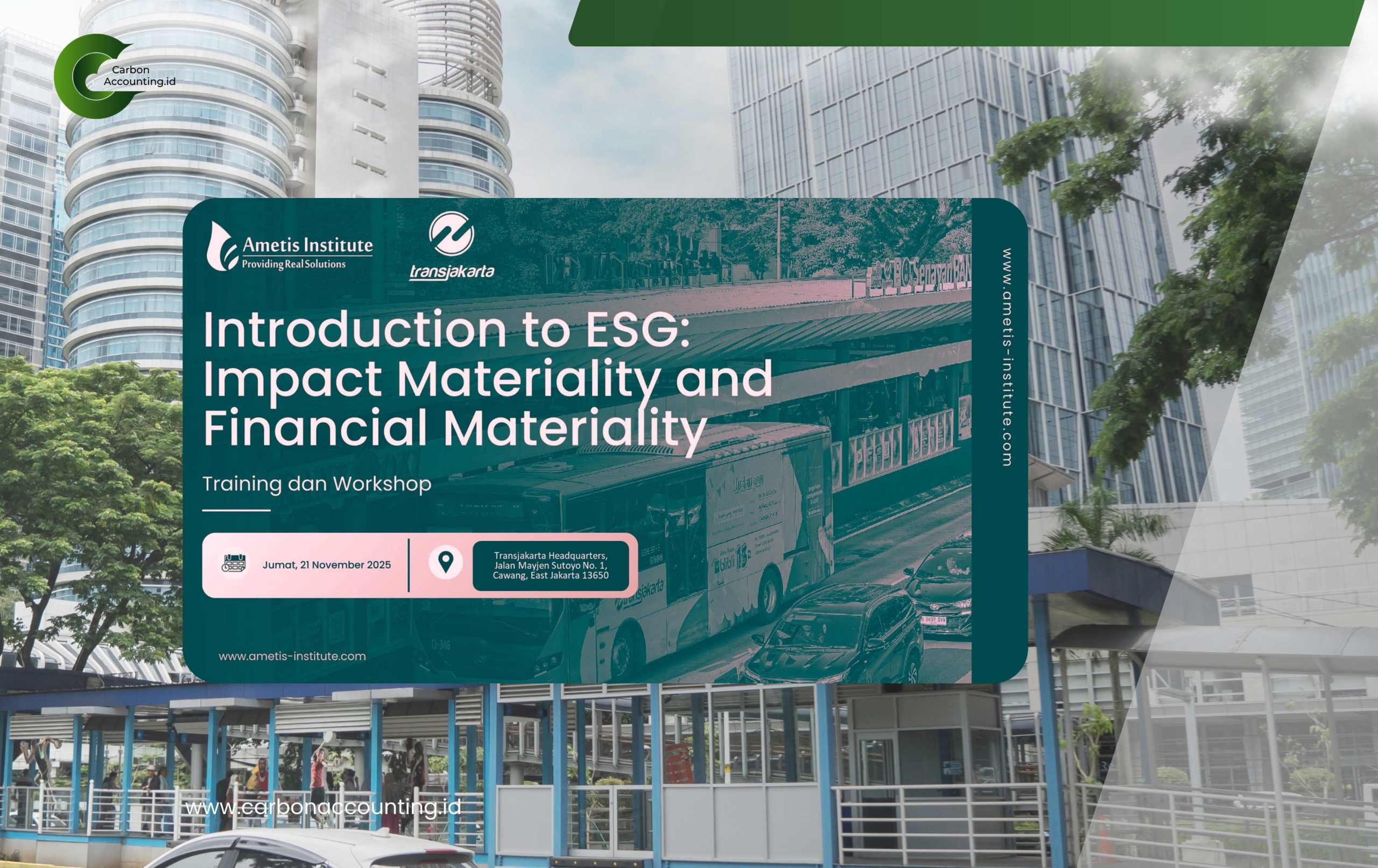
Transjakarta, in collaboration with CarbonAccounting.ID, will hold a training program titled "Introduction to ESG: Impact Materiality and Financial Materiality" on November 21, 2025.
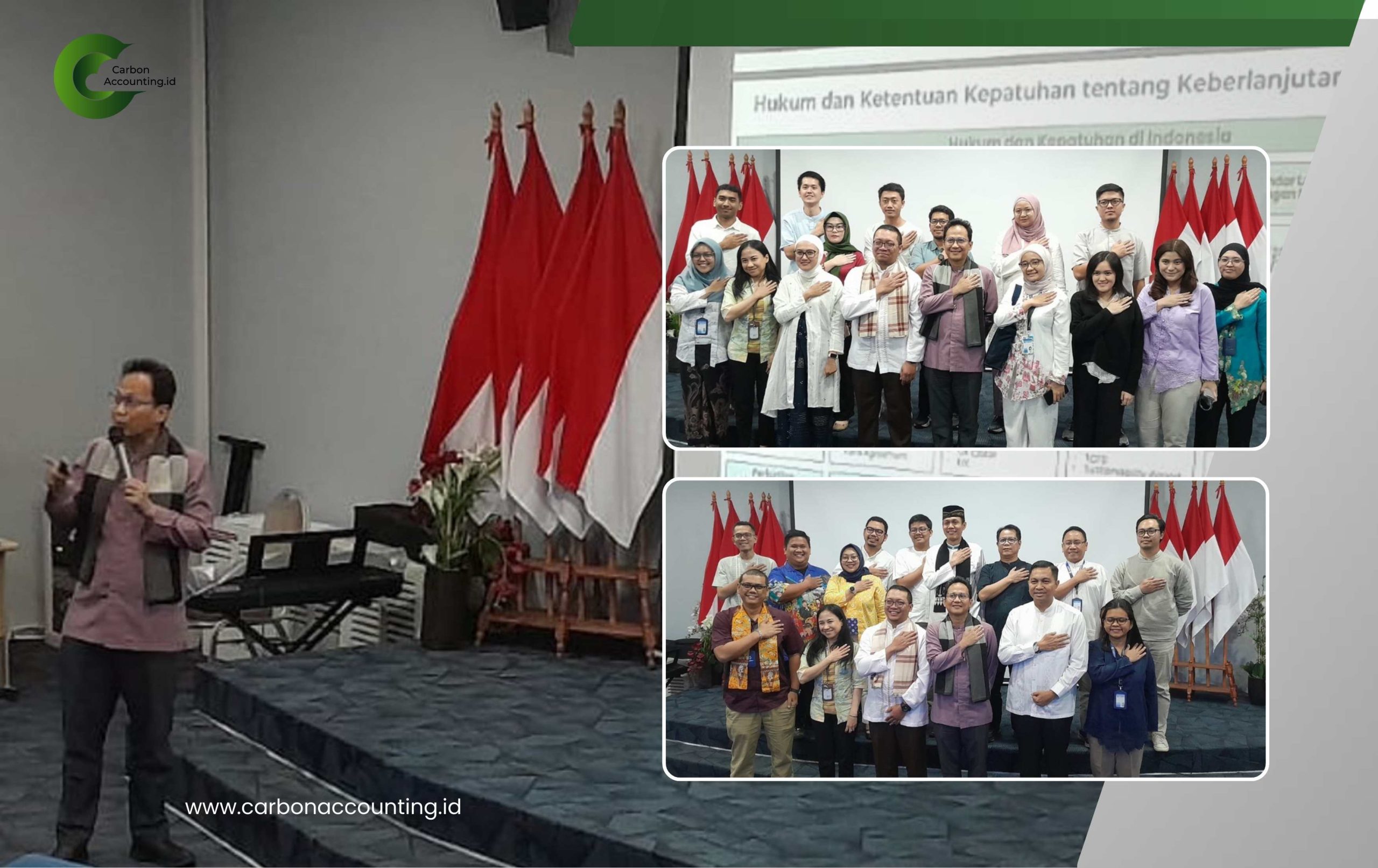
This training and workshop are specifically designed for decision-makers at the top and middle management levels, enabling them to view ESG as a strategic driver for long-term value creation and integrated corporate risk management.
Transjakarta is taking a decisive step to reposition Environmental, Social, and Governance (ESG) issues at the heart of its corporate strategy. Together with CarbonAccounting.ID, the company is organizing a training and workshop titled “Introduction to ESG: Impact Materiality and Financial Materiality” on 21 November 2025. Designed specifically for key decision-makers, the program is structured into two sessions: the first for top-level management and the second for middle-level management. The core aim is clear, to shift the mindset within Transjakarta from seeing ESG as mere compliance or charity to recognizing it as a strategic lever for long-term value creation and integrated corporate risk management.
From CarbonAccounting.ID’s perspective, this initiative is part of a broader transformation that many businesses must undertake. ESG can no longer be treated as a peripheral “nice-to-have” program or a branding exercise. In a context of tightening regulations, investor scrutiny, and escalating climate and social risks, ESG becomes a fundamental lens for understanding how a company creates and preserves value. This training is therefore designed to challenge old assumptions and help Transjakarta’s leaders reinterpret ESG as a core component of strategic decision-making and operational resilience.
To support this shift, our experts Aan Prayoga, MT, and Dr. Rolan M. Dahlan will introduce a contemporary understanding of ESG using a dual materiality framework: impact materiality and financial materiality, aligned with IFRS S1 and S2. Under this framework, ESG is not framed as a “do-good” initiative, but as a set of factors that can generate material risks and opportunities affecting a company’s survival and profitability. These factors need to be systematically identified, assessed, and managed within the company’s Enterprise Risk Management (ERM) system, rather than being handled in isolation.
The workshop also includes two highly practical exercises designed to translate concepts into action. The first focuses on the structured determination of material ESG topics. Participants are guided to identify which ESG issues are most relevant and have the most significant impact on Transjakarta’s finances, as well as on society and the environment. Instead of relying solely on qualitative judgment, this session introduces the use of quantitative methods, such as scoring, weighting, and stakeholder input, to prioritize material topics in a more objective and defensible manner.
The second exercise moves from “what is material” to “where the company wants to go”. It centers on determining a company’s strategic sustainability direction. Every organization has a different sustainability orientation: some are market-driven (responding to new service demands, customer expectations, or procurement requirements), others are financially driven (seeking sustainable finance, exploring carbon credits, preparing for carbon taxes), and still others are compliance-driven (ensuring alignment with financial reporting standards and regulatory expectations). In this session, we introduce several strategic planning approaches to help Transjakarta’s leadership define its sustainability orientation clearly, so that policies and programs can be designed coherently from the top down.
Through this training and workshop, CarbonAccounting.ID hopes that Transjakarta’s top and middle management will come to see ESG not as a regulatory burden, but as an essential building block of corporate strategy and value-driven risk management. A clear understanding of dual materiality, robust material topic determination, and a well-defined sustainability direction will strengthen Transjakarta’s resilience in the face of climate and social challenges. In the long run, this shift in perspective is expected to support more informed decision-making, enhance stakeholder trust, and unlock new avenues for sustainable value creation.