Eight Years Accurate: Ametis’ 2017 Oil Forecast Meets Indonesia’s 2025 Reality
Eight Years Accurate: Ametis’ 2017 Oil Forecast Meets Indonesia’s 2025 Reality
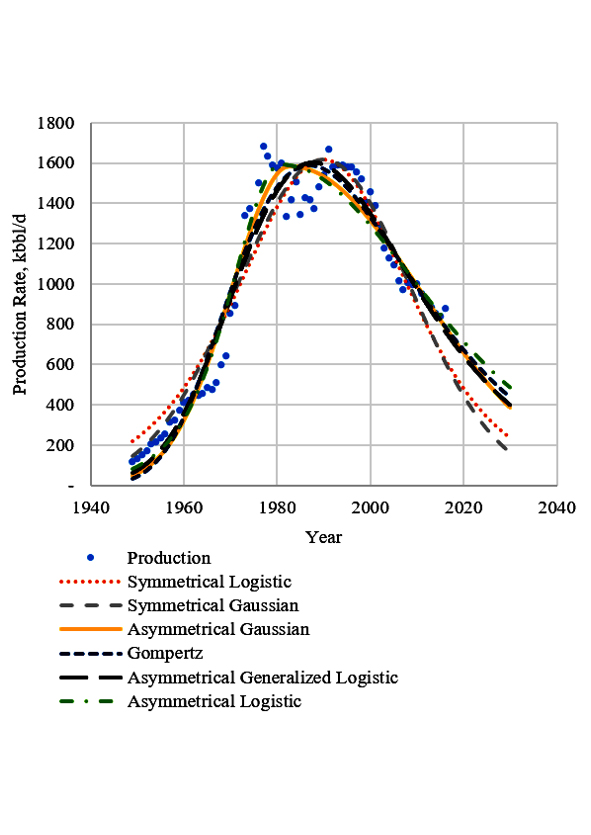
Several candidate models for predicting Indonesia’s oil production were evaluated by comparing model outputs with historical data
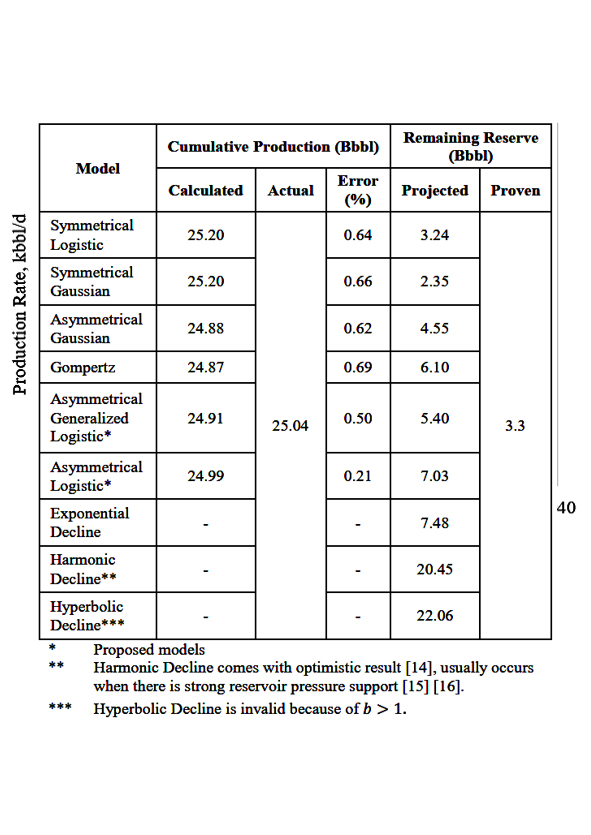
In modelling Indonesian oil production from 1949 to 2016, the asymmetric logistic model provided the smallest error value
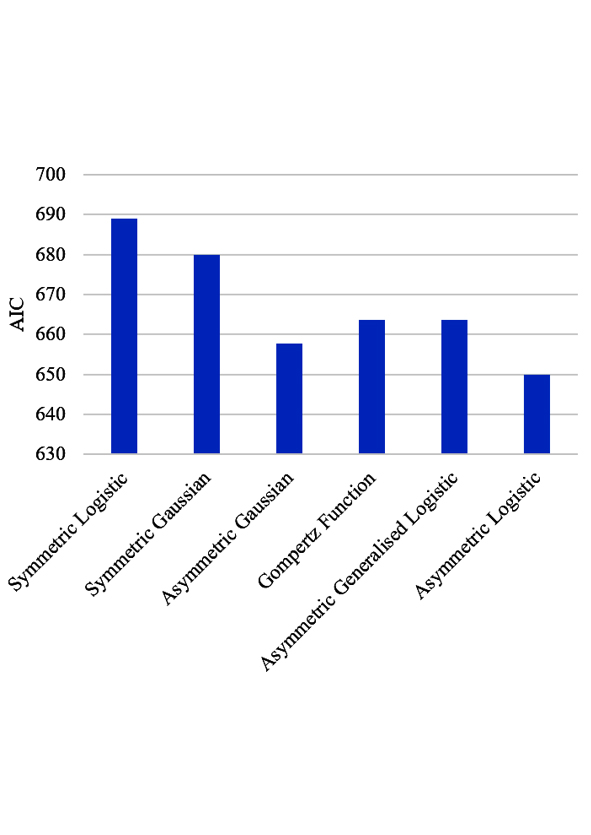
Evaluation results using the Akaike Information Criterion (AIC) approach also indicate that the asymmetric logistic model is the best choice among the set of candidate models
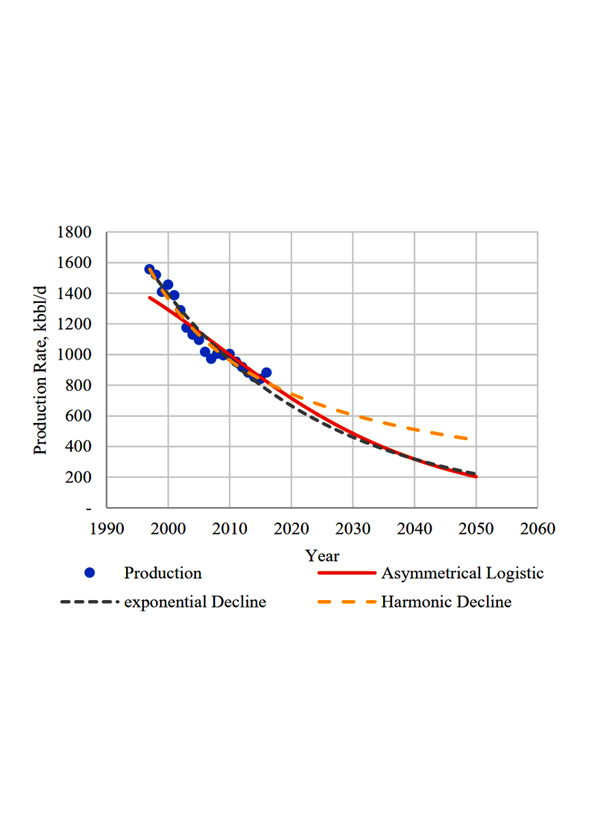
This 2017 study accurately predicted Indonesia’s 2025 oil production, and production is expected to continue declining in the years ahead.
In mid-2017, we released a working paper titled “Asymmetric Hubbert Curve in Indonesia Oil Production”. Published openly on SSRN, the study set out a pragmatic way to forecast national oil output using asymmetric variants of the classic Hubbert curve, an approach we believed better reflected Indonesia’s production profile. By making the work public, we invited scrutiny and encouraged evidence-based discussion around long-term energy planning.
Our team tested multiple candidate models and selected the Asymmetric Logistic model after it consistently delivered the best fit, showing the lowest errors and the most favourable Akaike Information Criterion (AIC) across trials. That choice wasn’t about elegance. It was about accuracy robust enough for policy conversations, investment planning, and public accountability. The working paper remains accessible for anyone who wants to examine the methods and data behind the forecasts.
Eight years on, the results speak for themselves. Our 2017 projection for 2025, 592 thousand barrels per day, lands within roughly 2.2% percent of the first-half 2025 realization reported by SKK Migas, which came in at about 579.3 thousand barrels per day. In short, the model’s long-range signal matched real-world performance with striking closeness, validating both the asymmetric approach and the underlying data discipline.
But the narrative the model traces is sobering. It points to a structural decline in domestic crude output through mid-century, even as fuel demand has climbed, widening the gap that must be filled by imports. Absent decisive measures, that gap risks weighing on the trade balance and, by extension, on economic resilience. This is not a crisis of a single year’s target. It is the shape of a trend that prudent planners must address.
Our view is clear: Indonesia’s energy transition is not optional, it is strategic. The right response pairs near-term efficiency and substitution with an accelerated build-out of renewables, aligned with the nation’s net-zero pathway. Forecasts like ours are not endpoints. They are instruments for better choices. When credible modelling meets committed action, Indonesia can turn a declining resource into a springboard for long-term security and sustainable growth.