Green M&A: When Climate Strategy Becomes Corporate Strategy
Green M&A: When Climate Strategy Becomes Corporate Strategy
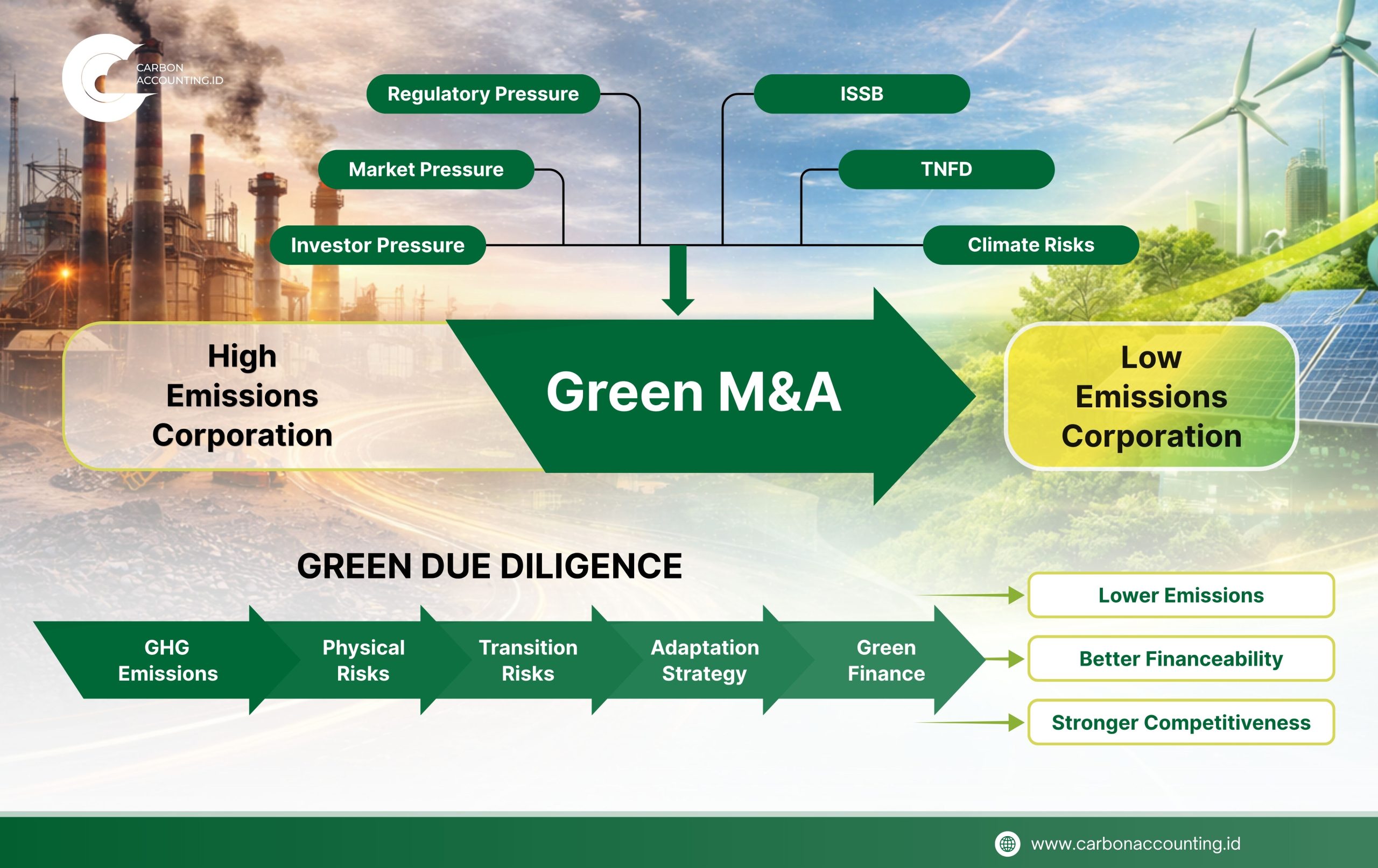
Green M&A acts as a shortcut to transform a high-emission portfolio into a more resilient and valuable low-emission business.
The climate transition demands more than stability. It demands accelerated decarbonization. While organic solutions face implementation constraints, green M&A emerges as a strategic tool for corporations to instantly accelerate climate targets.
Green M&A is no longer confined to sustainability talk or investor presentations. It is becoming part of the real architecture of corporate growth. The reason is simple. Money is getting more selective, and companies are under growing pressure to explain their emissions profile, transition exposure, and future direction with much greater clarity.
That is why green M&A are no longer treated as mere portfolio decoration. For many firms, they are a way to buy cleaner assets, stronger technology, and faster progress instead of building everything from scratch.
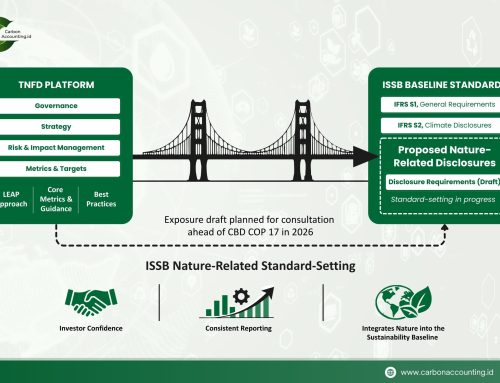
In Indonesia, the stakes are high. Companies with stronger green profiles can draw better market attention, while those that move too slowly face growing transition risk as capital becomes more selective and disclosure expectations rise under frameworks such as ISSB and TNFD.
Nowhere is this more visible than in energy and mining. Firms with a long history in fossil fuels are starting to use M&A as a way to move into renewables and critical minerals, not only to adapt to a changing market, but also to remain financeable.
The effect also reaches the supply chain. As export markets become more sensitive to embedded emissions, including through the European Union Carbon Border Adjustment Mechanism (EU CBAM), cleaner assets and carbon efficient technology can strengthen the competitiveness of Indonesian products.
But calling a transaction green is the easy part. The harder part is showing that it deserves the name.
That is where green due diligence and green valuation matter. Buyers need to examine not only current emissions, but also the target’s transition strategy, exposure to climate related disruption, and readiness to adapt in a changing regulatory and commercial environment. They also need to ask whether the deal strengthens the company’s position in green finance markets, including green bonds and sustainability linked loans.
Companies that can truly integrate green assets will be better prepared for market and regulatory challenges. Immediate solutions are needed when the future leaves little time.